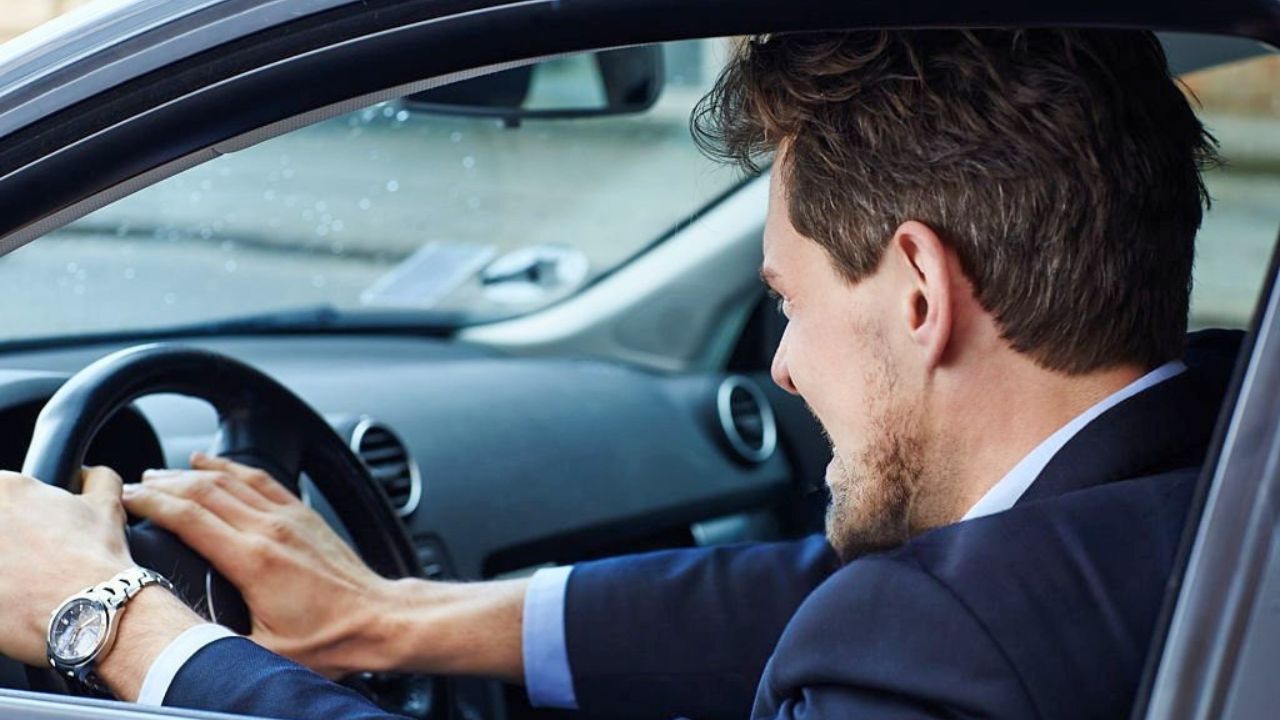
Driver Says Road-Rage Stranger Followed Him Until Police Were Almost There
Photo credit: SanneBerg/istock.com
A Texas driver said a previous road-rage encounter came back in a frightening way when the same driver allegedly followed him again and only left when police were nearly there.
The driver shared the situation in a post on r/legaladvice, explaining that this was not his first interaction with the other motorist. According to the post, he had encountered the same driver before in a road-rage incident, and then saw that driver again.
This time, the situation escalated into being followed.
That is the part that can make road rage feel less like a random moment of anger and more like a personal threat. A stranger yelling, gesturing, or driving aggressively is already alarming. But when someone follows another driver, especially after a prior incident, the target has to start thinking about where they can safely go, how long the person will continue, and what might happen if they stop.
The driver said he contacted police while it was happening. That was an important detail because it showed he was not trying to confront the person, outrun them, or handle the situation himself. He was trying to get help while the other driver was still behind him.
According to the post, the other driver stopped following him shortly before police arrived.
That left the driver in a frustrating position. The danger felt real while it was happening, but by the time officers were close, the other person was gone. That can make police reports more difficult. There may be no person for officers to speak to, no active confrontation to stop, and no immediate arrest. Still, the fact that the driver called while it was happening created a record that something had occurred.
The driver wanted to know what he could do next. Could he file a report? Was there a way to identify the other driver? Would the previous road-rage incident matter? Could this become harassment or stalking if the same person kept appearing and following him? Did he need a dashcam?
Those questions matter because repeat road-rage encounters are different from a single bad moment in traffic. If the same driver recognizes someone and follows them again, the situation starts feeling targeted. Even if the other person does not know the victim’s name, they may know the car, the route, or the general area where they drive.
That can make normal errands feel tense. A driver may start checking mirrors more often, changing routes, avoiding certain roads, or wondering if every similar vehicle is the same person. The road no longer feels neutral.
The post did not describe a crash or physical confrontation. It described something quieter but still frightening: a driver being followed long enough to call police, only for the other person to disappear right before officers could intervene.
Commenters encouraged the driver to create a record, especially because this involved the same person from a previous road-rage incident.
Several people told him to write down every detail he could remember: the date, time, route, vehicle description, license plate if known, what the other driver did, when police were called, and when the driver stopped following him. If he had a police call number or incident number, that needed to be saved too.
Others suggested getting a dashcam. A dashcam could capture the other driver’s vehicle, license plate, driving behavior, and the length of time they followed. Without video, the driver would mostly have his own description. With footage, any future report would be stronger.
Commenters also advised him not to drive home if the same person followed him again. Instead, they suggested calling 911, staying on the line, and driving to a police station, fire station, well-lit business, or other public place where help and cameras might be available.
Some commenters said the previous incident mattered only if it could be documented. If police had been called before, or if the driver had notes, video, or witnesses from the first encounter, that could help show a pattern. If not, the new incident still needed its own report.
There was also advice not to engage. No gestures, yelling, brake-checking, or pulling over to confront the person. Road rage can turn dangerous quickly, and the safest strategy is usually to keep distance, avoid escalation, and let police handle it.
The post did not end with the other driver identified or charged. It ended with the driver trying to understand what options existed after someone followed him until police were almost there.
That is what made the situation so unsettling. The other driver left before officers arrived, but the fear did not vanish with the car. The driver still had to wonder whether it would happen again.
Commenters did not tell him to dismiss it as traffic drama. They told him to document, report, consider a dashcam, and avoid going home if followed again.
Because when the same road-rage stranger follows you more than once, the question is not only what happened on that drive. It is whether the next encounter will escalate before police can get there.
Check out more from Now Rundown:
- A Party of 12 Came Back a Month Later Demanding Their $80 Tip Refunded — My Restaurant Made Me Pay It
- Her Coworker Kept Filing the Same Complaint About Her After Being Warned — Then She Filed a Counter-Report With Every Email Documented
- Siblings Demanded Half of Their Sister’s $11 Million Inheritance — She Refused Because They Never Visited
- The Kid I Bullied in Middle School Just Interviewed for a Job on My Team — He Bombed It and I Didn’t Hire Him

Abbie Clark is the founder and editor of Now Rundown, covering the stories that hit households first—health, politics, insurance, home costs, scams, and the fine print people often learn too late.