Sister Moved Into the House While She Was on Her Honeymoon
She was two days into her honeymoon when her phone started lighting up with motion alerts from the doorbell camera.
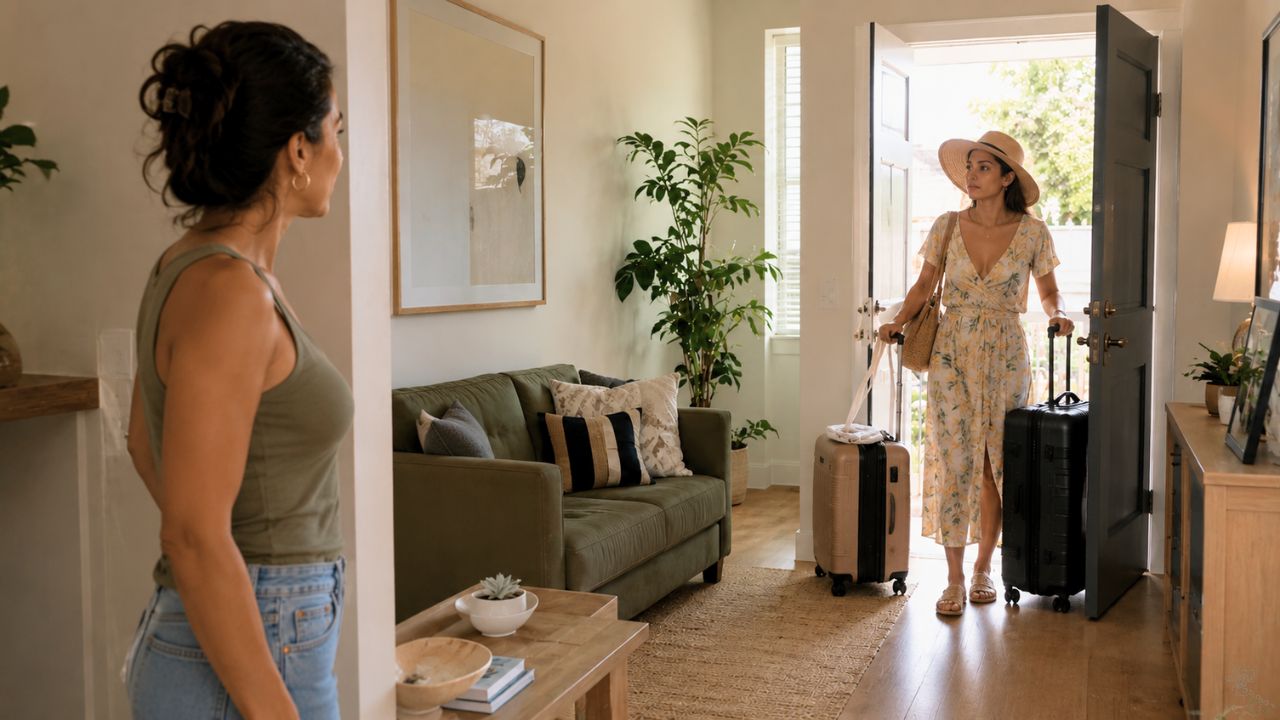
At first, she thought it was a package. Then she saw a familiar ponytail, two overstuffed suitcases, and her younger sister balancing a tote bag on her hip like she’d done this a hundred times. The camera caught her sister turning the key, stepping inside, and shutting the door with the casual confidence of someone coming home.
That would’ve been weird in any family. In theirs, it felt like a statement.
The problem started before the wedding, not after it
The bride and her husband had bought their house less than a year earlier. It wasn’t huge, but it was theirs—fresh paint, thrifted furniture, mismatched mugs, and the kind of quiet they both craved after long workdays.
Her sister had never liked that. She’d called the place “too suburban,” teased them for getting a security system, and still treated their guest room like her personal crash pad.
In the months leading up to the wedding, the bride tried to tighten things up. No more spare key floating around. No more “I’m in the area” visits that turned into overnight stays. She’d even asked for her sister’s key back, and her sister had rolled her eyes and said she’d return it “when she found it.”
It became one of those low-grade family annoyances that never fully gets handled because there’s always another deadline, another event, another reason not to start a fight.
The spare key that never came back
On the day they left for their honeymoon, everything felt tidy. The house was cleaned, the mail paused, lights set on timers, and the dog was staying with a trusted friend. They’d locked up, double-checked windows, and left with the giddy relief of finally being done with wedding logistics.
Then the camera feed showed the key turning like it belonged there.
She called her sister immediately. No answer. She texted. Nothing. A minute later, her sister finally sent a breezy message that made her stomach drop: she was “just staying a couple nights” because her apartment situation was “weird,” and she didn’t want to “stress anyone out” while they were traveling.
It wasn’t a request. It was a notice.
The honeymoon turned into a remote-control emergency
She tried to keep it calm at first, like maybe she could fix it with the right wording. She told her sister she needed to leave, now. That they weren’t home. That she hadn’t asked. That this wasn’t okay.
Her sister responded with the kind of logic that only makes sense if you think you’re the exception to every rule. They had a guest room. The house would be “empty anyway.” It was “safer” with someone there. And she was family, so why was everyone being dramatic?
While they went back and forth, the bride pulled up the interior camera they only used when they were away. Her sister had already kicked off her shoes, tossed her bags onto the couch, and opened the fridge like she was checking what groceries they kept.
It got worse. She saw her sister filming little clips around the living room—quick pans of the new dining table, the framed wedding photo they’d just received, the stack of unopened gifts in the corner. The kind of footage that ends up in a group chat with captions like “Look at this place” and “I’m basically housesitting.”
Her husband took the phone, watched in silence, and then said something that shifted the whole mood: they weren’t arguing about manners anymore. Someone had entered their home without permission, and they couldn’t physically stop it.
That’s not a small thing to realize from a lounge chair.
The sister didn’t just stay—she settled in
The next day, the alerts kept coming. The front door opened and closed. A friend came over. Another person showed up later with a bottle of wine. The sister started using the back patio like it was her own.
The bride texted again: leave. No guests. This is not your place.
Her sister replied with a photo from the kitchen—one of the bride’s pans on the stove, sauce bubbling—like it was supposed to be charming. She said she’d replaced the hand soap and “tidied up,” and she couldn’t understand why they were acting like she’d done something awful.
When the bride called her mom, hoping for backup, she got the familiar soft scolding: her sister was “going through a lot,” it was “just a few days,” and didn’t the bride want to enjoy her honeymoon instead of obsessing over petty stuff?
The implication was clear. If she pushed, she’d be the problem. If she swallowed it, it would become normal.
That’s when her husband, who’d been trying not to ruin the trip, said he was done being polite. He wanted to call the non-emergency line in their area and have someone escort the sister out. The bride hesitated—calling authorities on your sister feels extreme until you realize she’s hosting people in your home while you’re out of the country.
They compromised on one last attempt: a firm message from both of them, not just her. Leave within an hour. No debate. We’re changing the locks and ending the access. If you don’t go, we will handle it another way.
Her sister replied with a laughing reaction and asked if they were seriously threatening her. It was the kind of response that made the bride’s hands shake.
A friend stepped in, and the whole family found out
In the end, they didn’t call the police. They called the one person nearby they trusted completely: the friend watching their dog.
The friend drove over, stood on the porch with the bride on speakerphone, and knocked until the sister answered. The sister tried to keep it cute at first, talking about “miscommunication,” but the friend didn’t entertain it. She asked for the key. She waited while the sister packed. She watched her walk out.
Of course, the sister didn’t leave quietly. She called their mother on the front lawn, crying loudly enough for the neighbor across the street to look over. By that evening, the bride’s phone was buzzing with messages from an aunt, a cousin, and a family group chat she’d muted months ago.
Some people framed it as heartbreak. The sister was embarrassed. The sister felt “unwanted.” The sister had “no place to go.”
Other people weren’t as gentle. One cousin asked why the sister still had a key in the first place. Another relative pointed out that inviting friends over was a huge overstep. Someone else reminded the family that a honeymoon isn’t an open house invitation.
The bride read it all from a hotel balcony, feeling like she was watching her own life from far away.
When they came home, the house felt different
They returned to a home that looked mostly the same, but it didn’t feel untouched. A throw blanket had been folded differently. Two of their glasses were in the dishwasher. The guest room smelled like someone else’s shampoo.
Nothing was stolen, but they still did a slow, tense walk-through like they were checking for damage. The husband reset the Wi-Fi password. The next morning, a locksmith replaced every exterior lock.
The bride confronted her sister in person a few days later, thinking maybe face-to-face would finally land. Her sister insisted she’d been helping, that she’d “kept an eye on things,” and that the friend kicking her out was humiliating. She kept circling back to how it made her feel, like the only thing that mattered was whether she’d been made uncomfortable.
The bride told her she wouldn’t be getting another key. Not ever. Her sister snapped that marriage had made her “uptight” and accused her husband of controlling her.
That part hurt more than the trespassing. It was the familiar tactic: take the issue, twist it, and make it about the bride being cold or changed or difficult.
Family gatherings got awkward fast. The mother tried to smooth it over with forced cheer. The sister acted like the victim of some overreaction, sharing little comments about how she “can’t even crash at her own sister’s place anymore.” The bride and her husband started skipping events, not out of revenge, but because neither of them could relax in a room where their home was treated like community property.
Months later, the sister still brought it up in small ways—jokes, side comments, a passive-aggressive birthday card about “forgiveness.” The bride didn’t argue anymore. She just kept the new key ring on her own set of keys, felt its weight in her palm, and reminded herself that she wasn’t cruel for wanting privacy.
She was just done pretending that love meant unlimited access.
Check out more from Now Rundown:
- A Party of 12 Came Back a Month Later Demanding Their $80 Tip Refunded — My Restaurant Made Me Pay It
- Her Coworker Kept Filing the Same Complaint About Her After Being Warned — Then She Filed a Counter-Report With Every Email Documented
- Siblings Demanded Half of Their Sister’s $11 Million Inheritance — She Refused Because They Never Visited
- The Kid I Bullied in Middle School Just Interviewed for a Job on My Team — He Bombed It and I Didn’t Hire Him

Abbie Clark is the founder and editor of Now Rundown, covering the stories that hit households first—health, politics, insurance, home costs, scams, and the fine print people often learn too late.