Worker Says Coworker Threatened to Kill Them — Then Showed Up at Their Home
Photo credit: Nowrundown.com
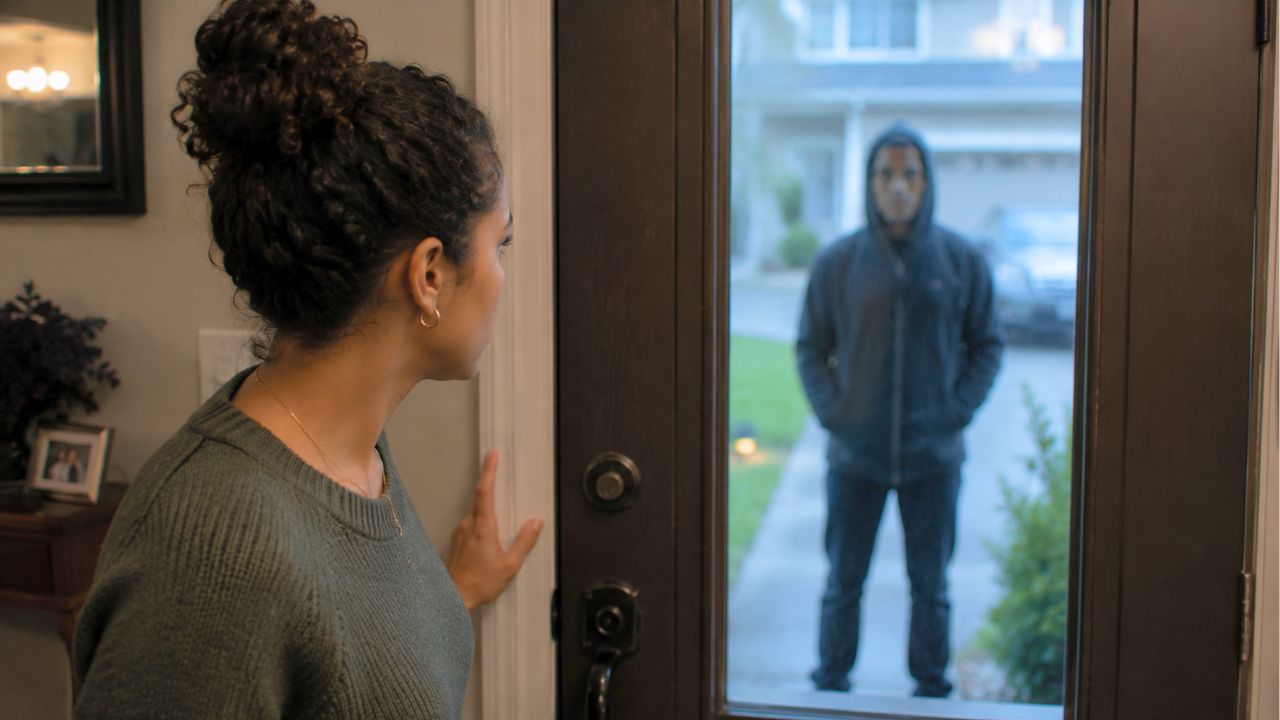
A Florida worker said a frightening workplace situation crossed into personal safety territory after a coworker who had allegedly threatened to kill them later showed up at their home.
The worker shared the situation in a post on r/AskHR, explaining that the problem started with a threat at work. According to the worker, the coworker threatened to kill them, which already made the situation serious enough to report.
But then the coworker allegedly appeared at the worker’s home.
That changed everything. A threat at work is already alarming because employees may have to see the person again during shifts, in hallways, in parking lots, or at shared job sites. But when the person who made the threat shows up at someone’s home, the boundary between workplace conflict and private life disappears.
Home is supposed to be the place where a worker can leave the stress of the job behind. When a coworker knows where they live and shows up after making a threat, the fear becomes much more personal. It is no longer only about what might happen on company property. It becomes about whether the person could come back after hours, confront them outside, or involve family members or roommates who had nothing to do with the workplace dispute.
The worker wanted to know what to do next. Should they report it to HR? Call police? Ask for a restraining order? Refuse to work near the coworker? Would the company do anything if part of the situation happened away from the workplace?
Those questions matter because a coworker threat can sit in two different lanes at once. HR can handle workplace conduct, scheduling, discipline, and whether the coworker is allowed to remain employed. Police can handle threats, trespassing, harassment, and someone showing up at a home after being told not to. The worker needed to know whether this was still only an HR issue, or whether it had moved into something bigger.
The home visit made it harder for the company to minimize. If a coworker makes a threatening comment and then never interacts again, management might try to frame it as a one-time outburst. But a coworker allegedly showing up at the target’s home afterward makes the behavior look more intentional and concerning.
It also raised questions about how the coworker got the address. Did they already know it? Did they follow the worker? Did someone at work share it? Was it available through records or social media? That uncertainty can make a person feel exposed. If the coworker found the home once, they may wonder what else the person knows.
The post did not describe a clean resolution where the coworker was removed or police stepped in immediately. It captured the frightening middle stage, where the worker knew the behavior had escalated but still needed a plan.
Commenters were clear that HR alone was not enough if a coworker made a threat and then showed up at the worker’s home.
Several people said the worker should contact police and make a report, especially if the coworker was not invited to the home or if the worker felt threatened. A police report would create an official record outside the company and could matter if the coworker returned.
Others said the worker should also notify HR in writing. The message needed to be specific: the coworker threatened to kill them, then appeared at their home. Commenters urged the worker not to soften the language or describe it only as “drama” or “conflict.” The company needed to understand that the situation involved a threat and off-site escalation.
Documentation came up repeatedly. Commenters advised the worker to save any messages, camera footage, call logs, witness names, or details about when the coworker came to the home. If there was a doorbell camera, neighborhood camera, or text exchange, that could help show the timeline.
Some commenters suggested asking HR for immediate workplace protections, such as separating schedules, banning direct contact, involving security, or placing the coworker on leave while the situation was reviewed. The worker should not have to keep working beside someone who had allegedly threatened them and then appeared at their house.
There was also advice about home safety. Commenters suggested telling household members what happened, keeping doors locked, avoiding direct confrontation if the coworker returned, and calling police if the person came back or refused to leave.
The post did not end with a court order or a final HR decision. It ended with a worker trying to understand how to respond after a workplace threat followed them all the way home.
That is what made the situation so serious. A coworker threat is already a workplace safety issue. A coworker showing up at the target’s home turns it into something that affects the person’s private life, family, and sense of security.
Commenters did not tell the worker to wait for HR to decide if it mattered. They told them to document everything, report it to police, notify HR in writing, and ask for specific protection before the next shift.
Because when a coworker threatens to kill someone and then appears at their home, the safest response is not to hope it blows over. It is to create a record before the person has another chance to show up.
Check out more from Now Rundown:
- A Party of 12 Came Back a Month Later Demanding Their $80 Tip Refunded — My Restaurant Made Me Pay It
- Her Coworker Kept Filing the Same Complaint About Her After Being Warned — Then She Filed a Counter-Report With Every Email Documented
- Siblings Demanded Half of Their Sister’s $11 Million Inheritance — She Refused Because They Never Visited
- The Kid I Bullied in Middle School Just Interviewed for a Job on My Team — He Bombed It and I Didn’t Hire Him

Abbie Clark is the founder and editor of Now Rundown, covering the stories that hit households first—health, politics, insurance, home costs, scams, and the fine print people often learn too late.