Tenant Refused to Let a Housemate Into Their New Home Before Rent Was Paid — Then Got a Rude Text Demanding the Door “Better Be Open”
Photo credit: AI-generated image created using ChatGPT. Illustrative only
Moving into a new place is stressful enough without feeling like you’re being turned into the building’s unofficial bouncer. But that’s exactly where one 19-year-old student says they ended up: holding the only key, following the landlord’s instructions, and trying to keep the peace with a friend who hadn’t paid rent yet. The full account was shared in the original post, and it reads like a weekend that went off the rails fast.
The roommates had already been on edge from a rocky move into a new house in a different part of the city. Then a single text message changed the tone from tense to confrontational: “I am coming to the house now the door better be open when i get there.”
A key, a rule, and a roommate who hadn’t paid
According to the tenant, the landlord gave them their key and a clear instruction: don’t let the other tenants into the house until their rent was paid. At the time they posted, none of the other tenants had paid yet—though one wasn’t moving in for a while, so that part didn’t feel urgent.
The problem was “Alex,” a 24-year-old friend and housemate the poster had lived with before without issues. This time, Alex was due to move in but still hadn’t paid. The lease, the poster said, treated each person’s responsibilities as individual, not shared—meaning one tenant being behind wouldn’t automatically become another tenant’s obligation to cover or smooth over.
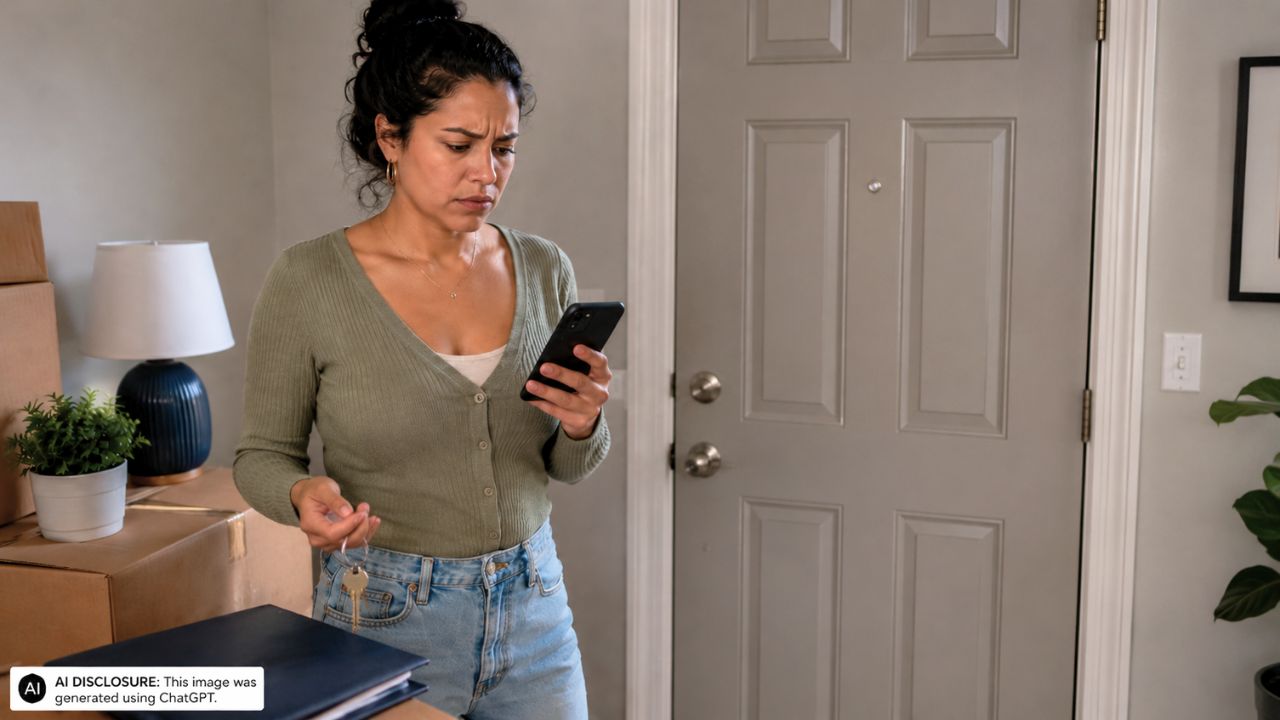
That’s the backdrop when the poster finished unpacking and got the blunt message demanding the door be open. The poster says they didn’t unlock it ahead of time. They waited.
“You’re welcome to be here”… but not alone in the house
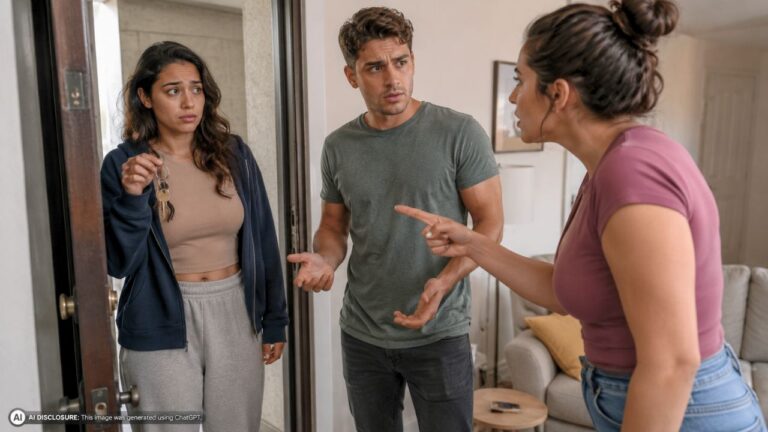
When Alex arrived, the poster opened the door and offered a compromise: Alex could come inside while the poster got ready for work, but couldn’t stay in the house alone without rent being paid. It was framed as a boundary, not a ban—Alex could be there, just not unsupervised.
Alex didn’t take it that way. The poster describes an argument where Alex insisted they were going to stay and the poster “couldn’t do anything about it.” The disagreement escalated from a landlord rule to a power struggle over access, keys, and who gets to decide what in a shared space.
Trying to keep things from exploding, the poster offered another stopgap: if Alex truly had nowhere to go, they could return after the poster’s shift and sleep on the couch for the night. Alex agreed—but then chose to spend the entire nine-hour shift waiting at the poster’s workplace.
A long wait, an unexpected guest, and a bedroom surprise
During that nine-hour wait, Alex invited their “talking stage” to come sit with them. After the shift ended, the talking stage walked back to the house with them.
The poster believed that guest would leave before bedtime. That didn’t happen. They woke up the next morning to find both Alex and the talking stage asleep in the guest room bed.
At that point, it wasn’t just about whether Alex had paid rent. It was about someone who wasn’t on the lease—someone the poster didn’t expect to be there at all—staying overnight in a house where rent still hadn’t been paid and access wasn’t supposed to be granted yet.
The poster told both of them they needed to leave soon because the poster had afternoon plans and they “cannot stay in the house.” The response they got from Alex was nonverbal but loud: an eye roll and huffing, the kind of reaction that says the argument isn’t over.
The “leave it unlocked” demand and the homelessness accusation
Before Alex left, the poster mentioned they wouldn’t be coming back that night because their plans would run late. That’s when Alex pushed for a new condition: the door had to be left unlocked.
Alex argued it was unfair to be “kicking them out onto the street.” The poster says they stayed calm and repeated the boundary—no unlocked door, and no unsupervised access unless Alex paid rent and got approval from the landlord.
Alex stormed out. Then the texts started. The poster says they received multiple messages insisting they must leave the door unlocked and accusing them of “making them homeless” if they didn’t.
It’s a heavy accusation, and it also flips the roles. The poster wasn’t just being cast as a strict roommate; they were being framed as the person responsible for Alex’s housing security, even though Alex hadn’t paid and the landlord’s instruction was to keep the property closed to unpaid tenants.
The part that made people pick sides fast
In the post, the tenant explains this isn’t normal behavior from Alex. They’d lived together before without problems, and this was the first time Alex had acted this aggressively. Alex also said they planned to pay rent “in the next few days” when they got paid, which suggests this wasn’t an outright refusal—more a timing issue with big consequences.
But the immediate escalation—demanding the door “better be open,” refusing to leave, bringing an overnight guest, and then insisting the door be left unlocked—made the disagreement feel less like a misunderstanding and more like a boundary test.
The landlord, the poster added, knew what was happening and was “keeping an eye on it.” That detail matters because it means the poster wasn’t inventing a rule to control Alex; they were following directions from the person who controls the property.
What onlookers zeroed in on: keys, permission, and paper trails
The judgment attached to the post was “Everyone Sucks,” reflecting a split view on how it was handled. Still, the practical focus was clear: many people tend to side with whoever is following the lease and landlord instructions, especially when the alternative is letting an unpaid tenant and an unapproved guest come and go freely.
Reactions also typically center on the real-world risks of leaving a door unlocked in a shared house—security for personal property, liability if something goes missing, and problems with neighbors or the landlord if unauthorized people are staying overnight.
And there’s the documentation angle. When access to housing turns into a text-message fight—especially with messages that sound like demands—people often advise keeping everything in writing, looping the landlord in early, and avoiding a one-on-one confrontation that could spiral. The poster already had one thing working in their favor: a clear instruction from the landlord and a lease they say separates each tenant’s responsibility.
By the end of the story, nothing is neatly resolved. Alex still hadn’t paid, still wanted entry, and was trying to pressure the poster into leaving the home unsecured. The poster, stuck between a friend’s anger and a landlord’s rule, was left choosing the option that would be easiest to justify later: keep the door locked, keep the boundary firm, and let Alex figure out rent and access through the proper channel.
Check out more from Now Rundown:
- A Party of 12 Came Back a Month Later Demanding Their $80 Tip Refunded — My Restaurant Made Me Pay It
- Her Coworker Kept Filing the Same Complaint About Her After Being Warned — Then She Filed a Counter-Report With Every Email Documented
- Siblings Demanded Half of Their Sister’s $11 Million Inheritance — She Refused Because They Never Visited
- The Kid I Bullied in Middle School Just Interviewed for a Job on My Team — He Bombed It and I Didn’t Hire Him

Abbie Clark is the founder and editor of Now Rundown, covering the stories that hit households first—health, politics, insurance, home costs, scams, and the fine print people often learn too late.