Storage Manager Says Customer Threatened to Send Police to the Office Where They Work Alone
Photo credit: Nowrundown.com
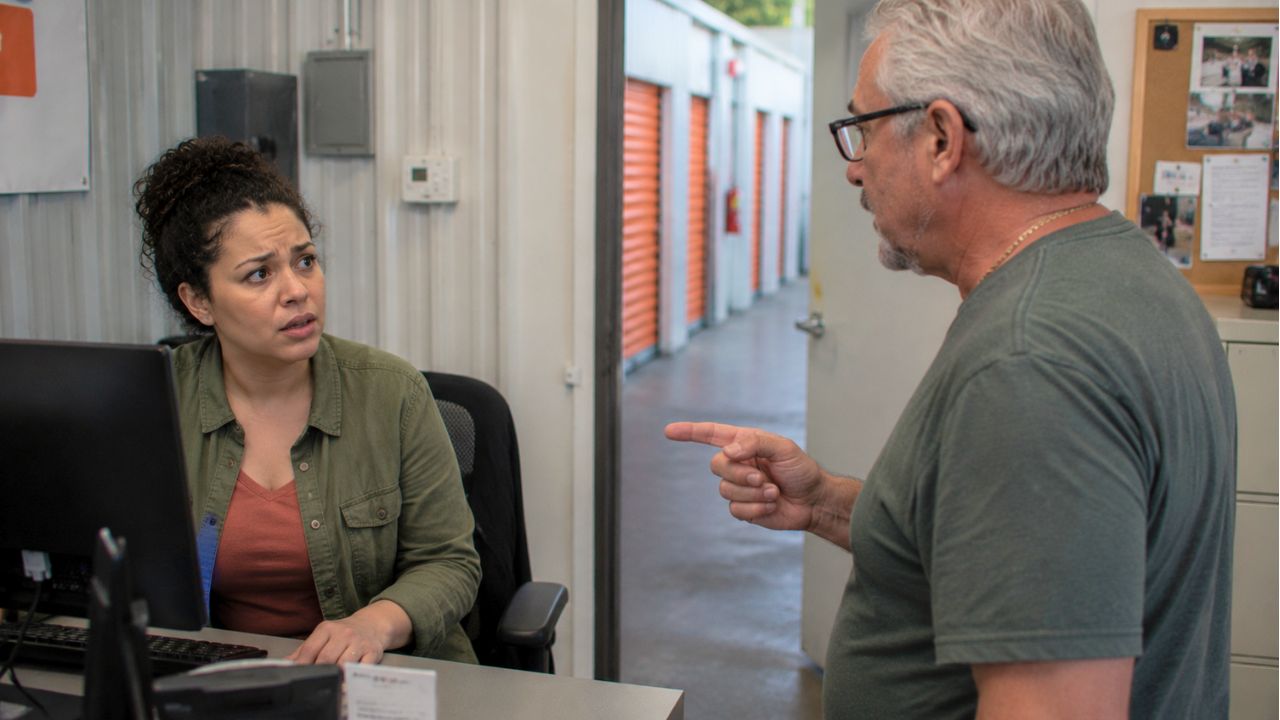
A storage facility manager said a tense customer dispute became more unsettling because the customer allegedly threatened to send police to the office, where the manager often worked alone.
The manager shared the situation in a post on r/legaladvice, explaining that they worked in self-storage and had been dealing with a customer who no longer wanted to be contacted. According to the post, the customer told the manager that if they called again, the customer would call police on them.
On paper, that may sound like a customer trying to set a boundary. But in a storage setting, the issue was more complicated. Storage managers may need to contact customers about payments, unit access, liens, auctions, lock issues, insurance, damage, abandoned property, or other account-related matters. If a manager is required to communicate as part of the job, a customer saying “don’t call me or I’ll call police” creates a practical problem.
The worker was not asking how to keep bothering someone for no reason. They were trying to understand what to do when business communication was being framed like harassment. If the customer had an active account, unpaid balance, or legal notice process, the storage facility still needed a way to contact them.
The situation also had a personal-safety angle because the manager said they worked alone. A police call, customer confrontation, or angry visit to the office could become stressful fast when there is no second employee nearby. Self-storage properties can already be isolated, with long rows of units, gated areas, and customers coming and going. If a dispute escalates, the employee on-site may be the one stuck handling it face-to-face.
The manager wanted to know whether they could still call the customer for legitimate business reasons, whether they should switch to written contact, and whether the customer’s threat to call police changed anything legally.
That is the awkward middle ground in customer-facing work. A business has a right to contact customers about valid account issues, but employees also have to avoid anything that could be twisted into harassment. Repeated calls after someone has demanded no calls could create trouble if there is no good reason for them. But refusing to contact the person at all could leave the company unable to handle required notices.
The post did not describe a violent threat or an immediate emergency. It described something quieter but still stressful: a customer using the possibility of police involvement to pressure an employee who had job duties to complete.
For the manager, the safest next move had to protect both sides. They needed a way to document that any future communication was business-related, not personal. They also needed to avoid being alone in a confrontation if the customer came to the property angry.
Commenters generally told the manager to stop calling unless there was a clear, necessary reason and to move communication into written channels.
Several people said the facility should send notices by mail, email, or whatever method the contract required. Written communication creates a record of what was said, when it was sent, and why the business was contacting the customer. That matters much more than a phone call that can later be disputed.
Others said the manager should follow the storage agreement exactly. If the lease or rental contract required certain notices before fees, lockouts, lien sales, or account action, the facility needed to use those formal procedures instead of informal calls. That would protect the business and the employee.
Commenters also said the manager should document the customer’s request not to be called and the threat to call police. That note should go in the account file so other employees or corporate staff understood the situation and did not accidentally restart the conflict.
Some commenters pointed out that a customer can call police if they want, but that does not mean police will treat valid business communication as harassment. If the manager has records showing the calls were about an active storage account, that context would matter.
There was also practical workplace advice. If the customer came to the office angry, the manager should not handle it alone if avoidable. They could ask for another employee, supervisor, or police standby depending on how serious the situation felt. If the customer threatened the employee, refused to leave, or became aggressive, that would be a different issue from a complaint about phone calls.
The post did not end with police arriving or the customer’s account resolved. It ended with a worker trying to figure out how to do the job without being accused of harassment by someone who still had business with the facility.
That is what made the situation frustrating. The customer wanted no calls, but the storage company still needed a clean way to handle the account. The manager also had to think about safety because they were often alone on-site.
Commenters did not tell the manager to keep calling just to prove a point. They told them to document the customer’s request, use written communication, follow the contract, and let formal notices do the work.
Because when a customer threatens to call police over business calls, the safest response is not another phone argument. It is a paper trail.
Check out more from Now Rundown:
- A Party of 12 Came Back a Month Later Demanding Their $80 Tip Refunded — My Restaurant Made Me Pay It
- Her Coworker Kept Filing the Same Complaint About Her After Being Warned — Then She Filed a Counter-Report With Every Email Documented
- Siblings Demanded Half of Their Sister’s $11 Million Inheritance — She Refused Because They Never Visited
- The Kid I Bullied in Middle School Just Interviewed for a Job on My Team — He Bombed It and I Didn’t Hire Him

Abbie Clark is the founder and editor of Now Rundown, covering the stories that hit households first—health, politics, insurance, home costs, scams, and the fine print people often learn too late.