Contractor’s Employee Was Caught on Camera Going Through Drawers, Homeowner Says
Photo credit: Toru Kimura/Shutterstock.com
A homeowner said a routine contractor visit turned uncomfortable after a worker was allegedly caught on camera going through drawers and personal belongings inside the home.
The homeowner shared the situation in a post on r/legaladvice, explaining that they had hired a contractor for work at the property. Like many homeowners, they expected workers to be inside the home for a specific reason: to complete the job they had been hired to do.
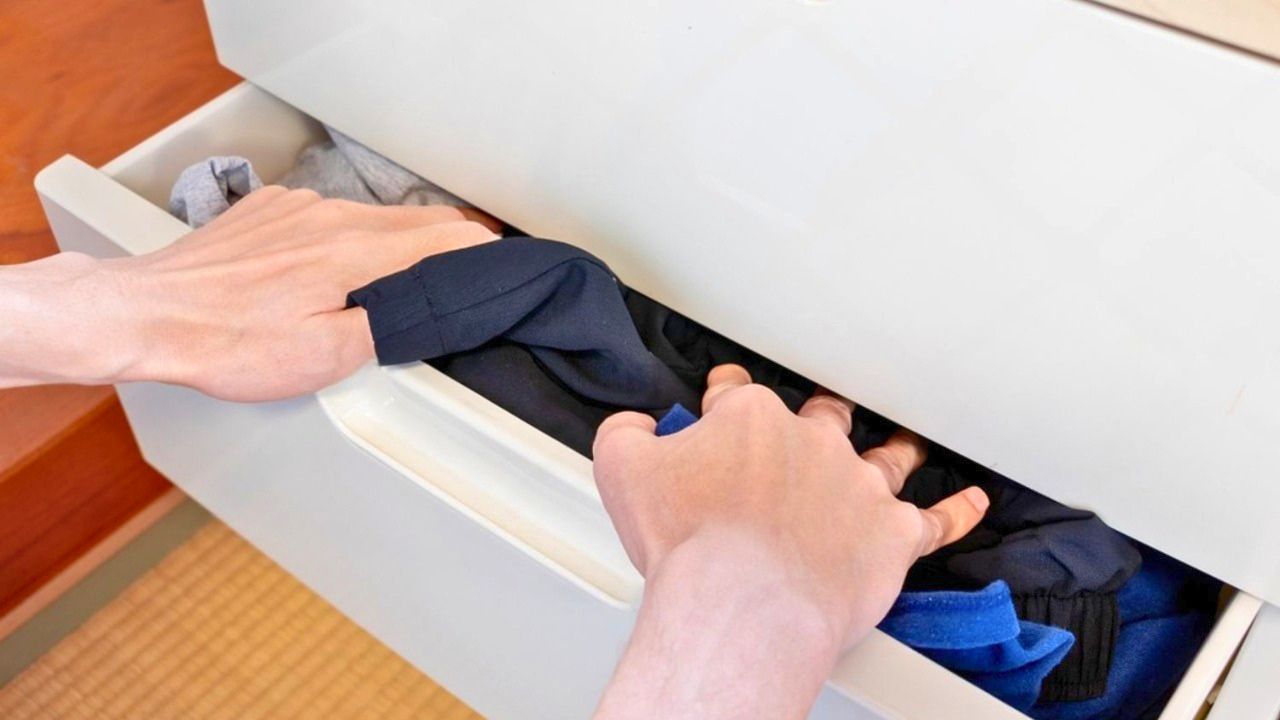
But according to the homeowner, camera footage appeared to show one of the contractor’s employees doing something far outside the scope of the work. The worker was allegedly seen going through drawers and personal items.
That detail changes everything. A contractor or employee may need to move through parts of a home to access a repair area, bring in tools, check measurements, or complete the job. But opening drawers and looking through personal belongings is a different kind of intrusion. It can make a homeowner wonder what the person was searching for, whether anything was taken, and whether the same thing happened in other rooms that were not on camera.
The camera footage became the key piece of the situation. Without it, the homeowner might have only had a strange feeling or noticed something slightly out of place. A drawer left open can be explained away. A missing item can be hard to tie to a specific person. But footage of a worker allegedly going through personal spaces gives the homeowner something much more concrete.
The homeowner wanted to know what to do next. Should they confront the contractor? Call police? Send the footage to the company? Ask for the employee to be removed from the job? Demand that the contractor cover any missing property? The answer was not as simple as “just complain,” because the worker had been allowed into the home for legitimate work. The issue was whether that access had been abused.
That is what makes contractor situations feel so invasive when something goes wrong. Homeowners often have to let workers into private spaces. They may be at work, in another room, caring for kids, or trusting the company to supervise its employees. Once someone crosses a boundary inside the home, that trust is hard to recover.
The homeowner also had to think about evidence. If the footage showed the worker opening drawers, it needed to be saved before it could be overwritten. If anything was missing, the homeowner needed to identify it quickly. If the contractor’s company got involved, the homeowner needed to be careful not to let the issue become a vague customer-service complaint instead of a documented incident.
The post did not describe a dramatic confrontation in the moment. The homeowner seemed to discover the issue through video and then had to decide how serious the next step should be.
That can be an awkward position. A homeowner may not want to accuse someone unfairly. At the same time, footage of a worker going through belongings is hard to ignore. It raises concerns about privacy, theft, and whether the company is properly screening or supervising employees.
Commenters urged the homeowner to save the camera footage immediately and make backups. Several people warned that video stored in an app or cloud system may not stay available forever, and the homeowner needed to keep the original clip as evidence.
Others said the homeowner should inspect the areas the worker accessed and make a list of anything missing. If valuables, documents, medication, cash, jewelry, electronics, or identifying information were stored in those drawers, the homeowner needed to check carefully and document what they found.
Several commenters told the homeowner to contact the contractor or company in writing. The message should stay factual: the homeowner had footage of an employee going through drawers and personal belongings, the conduct was not authorized, and the homeowner wanted the company to respond. Keeping it in writing would create a record and avoid a messy phone conversation where details could be disputed later.
Police came up too. Commenters said that if anything was missing, or if the homeowner believed a crime had occurred, filing a police report would be reasonable. Even if nothing was missing, some commenters still thought the footage was serious enough to report or at least preserve in case more information came out.
Others warned the homeowner not to send the only copy of the footage to the contractor. They suggested keeping the original, sending a copy if needed, and avoiding any agreement that would prevent them from reporting the incident if property was missing.
There was also practical advice about the rest of the job. Commenters said the homeowner could request that the employee not return, insist on supervision, or terminate the contractor depending on the contract and how the company responded. If the homeowner no longer felt safe with the company in the house, that mattered.
The post did not end with the employee fired, arrested, or cleared. It ended with the homeowner deciding how to respond after a camera appeared to catch a worker crossing a line inside the home.
That is what made the situation feel so unsettling. Contractors are invited into a home to fix a problem, not create a new one. When someone uses that access to go through private belongings, the homeowner is left questioning not only that employee, but the whole arrangement.
Commenters did not tell the homeowner to handle it casually. They told them to save the video, check for missing items, communicate in writing, contact the contractor’s company, and involve police if property was missing or the footage showed more than a boundary violation.
Because once a worker is caught on camera going through drawers, the question is not only whether anything was stolen. It is whether the homeowner can still trust that person, that company, or anyone else they send into the house.

Abbie Clark is the founder and editor of Now Rundown, covering the stories that hit households first—health, politics, insurance, home costs, scams, and the fine print people often learn too late.