“Creepy Neighbor” Put a Camera in the Window, Resident Says — And It Pointed Right at Their Home
Photo credit: Andrey Sayfutdinov/Shutterstock.com
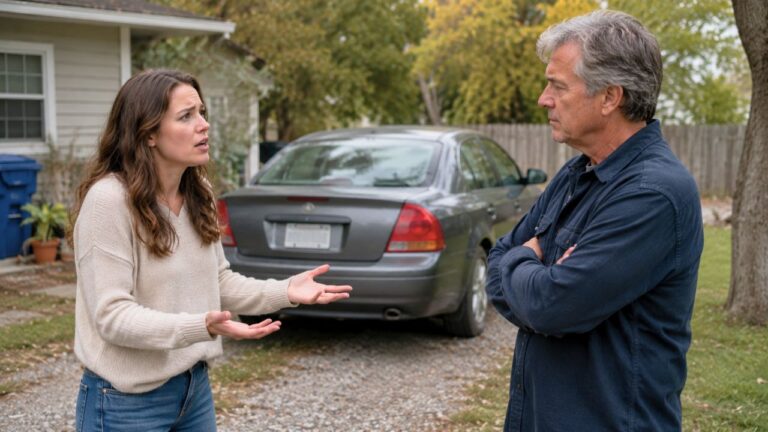
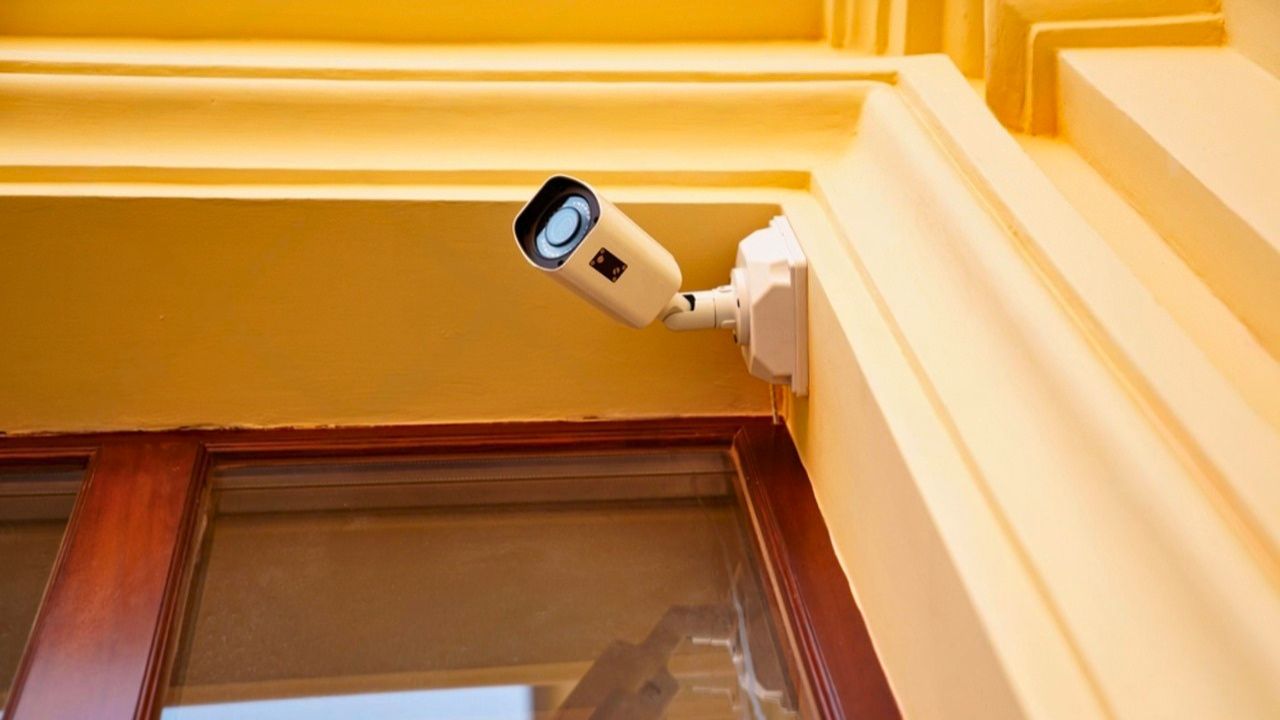
A Los Angeles resident said a tense neighbor situation became harder to ignore after a nearby neighbor allegedly placed a camera in a window and aimed it toward the resident’s home.
The resident shared the situation in a post on r/legaladvice, explaining that the neighbor’s camera appeared to be directed at their property. The concern was not just that a neighbor had a security camera. It was the feeling that the camera was being used to watch them specifically.
That distinction matters. Security cameras are common now, and many people use them for ordinary reasons: packages, cars, doors, gates, or general safety. A camera mounted near a doorway or driveway can be irritating if it catches part of another property, but it may still be part of a normal security setup.
A camera placed in a window and aimed at another home feels different.
The resident described the neighbor as “creepy,” which gave the situation a personal edge. This did not sound like a casual concern about a camera catching the sidewalk. It sounded like someone who already felt uncomfortable with the person next door and now believed the neighbor had a device pointed at their home.
That kind of setup can make daily life feel watched. Opening blinds, stepping outside, unloading groceries, letting people in, or sitting near a window can all feel different when someone nearby appears to be recording. Even if the camera only captures areas visible from outside, the feeling of being monitored can wear on a person quickly.
The resident wanted to know what they could do legally. Could the neighbor record their home? Did it matter that the camera was in a window? Was there any privacy protection if the camera pointed toward their property? Could police do anything? Would this count as harassment?
Those questions are hard because outdoor recording laws often leave people frustrated. In many places, someone may be allowed to record what is visible from their own property or from public areas. That means a camera pointed out a window may not automatically be illegal, even if it makes a neighbor uncomfortable.
But legality and comfort are not the same thing. A camera can be technically allowed and still feel invasive. A neighbor can claim it is for security while the person being recorded feels targeted. That gray area is what made the resident’s situation so frustrating.
The post did not describe the neighbor entering the property, making direct threats, or causing physical damage. The issue was quieter, but still unsettling: a camera pointed toward home, controlled by someone the resident did not trust.
That kind of concern can be hard to explain without sounding paranoid. The camera is just sitting there. No one may be yelling or knocking at the door. But if the resident feels like the neighbor is watching them on purpose, the home starts to feel less private.
And when the place that should feel safest starts feeling watched, the situation becomes bigger than a normal neighbor annoyance.
Commenters were careful about the legal side. Several people explained that a neighbor may generally be allowed to record areas that are visible from their own property, especially if those areas are outdoors or otherwise in public view.
That did not mean the resident had no options. It meant the strongest response might be practical rather than legal.
Some commenters suggested privacy measures like curtains, blinds, window film, fencing, landscaping, or other barriers that would block the camera’s view without touching the neighbor’s property. If the camera was pointed toward a window, a visual barrier might be the fastest way to regain some privacy.
Others said the resident should document the camera’s placement. Photos showing where the camera was located, what direction it faced, and how long it had been there could matter if the neighbor’s behavior escalated later.
Commenters also said the resident should keep track of any other incidents. A camera by itself might be hard to challenge, but a camera combined with threats, repeated confrontations, trespassing, or comments about the resident’s routine could become part of a larger harassment pattern.
Some people warned the resident not to damage or block the camera from the neighbor’s side. Even if the camera felt invasive, tampering with someone else’s property could create a separate legal problem.
There was also discussion about audio. If the camera recorded sound, that could raise different legal concerns depending on state law. Video of visible areas may be treated one way, while recording conversations without consent can be another issue entirely.
The post did not end with the camera removed or police stepping in. It ended in the same uncomfortable place many camera disputes do: the resident felt watched, but the law may not give a clear fix unless the neighbor crossed another line.
Commenters did not tell the resident to ignore the feeling entirely. They told them to protect their privacy where they could, document the camera, avoid direct escalation, and watch for any conduct that went beyond ordinary recording.
Because when a neighbor points a camera toward someone else’s home, the hardest part may be that the situation can feel deeply invasive even when the legal answer is not simple.

Abbie Clark is the founder and editor of Now Rundown, covering the stories that hit households first—health, politics, insurance, home costs, scams, and the fine print people often learn too late.