Tenant Says They Found a Hidden Camera in an AC Vent — Then Reddit Told Them Not to Touch It
Photo credit: Yevhen Prozhyrko/Shutterstock.com
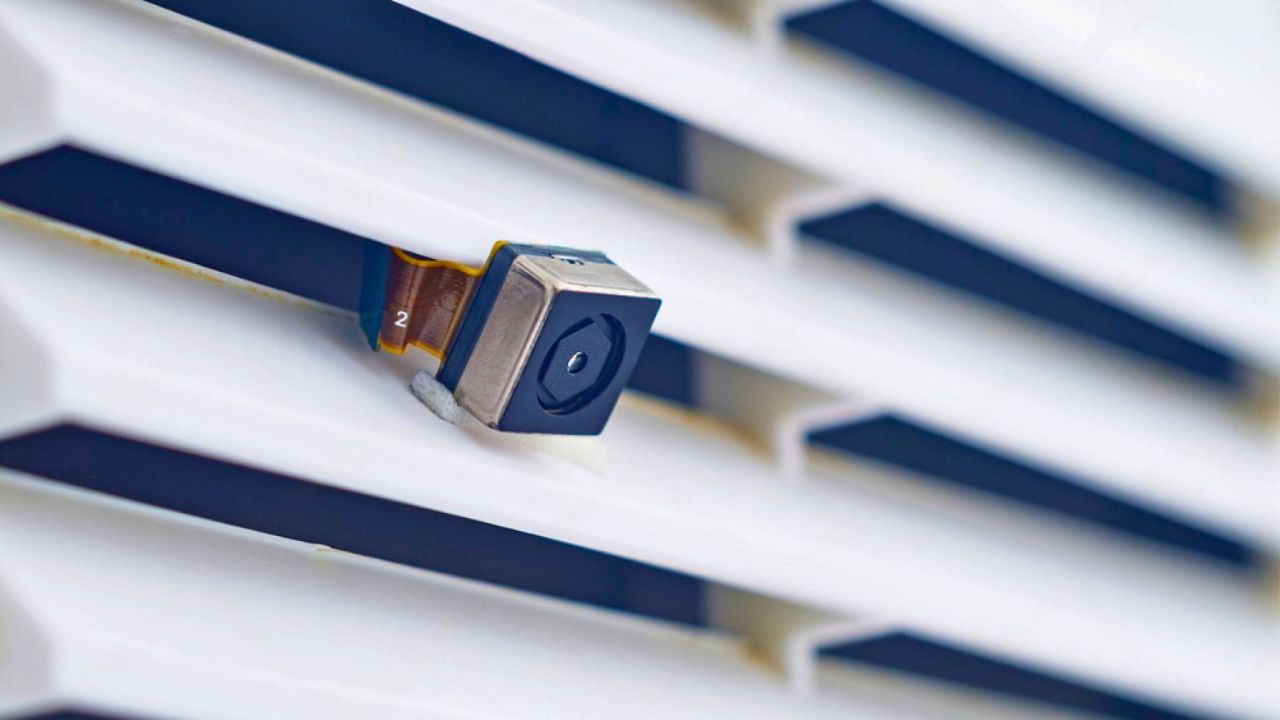
A Texas tenant said a disturbing discovery inside their rental left them wondering what to do next after they allegedly found a hidden camera tucked inside an air conditioning vent.
The tenant shared the situation in a post on r/legaladvice, explaining that the device appeared to be hidden rather than openly installed as part of a normal security setup. That detail changed the entire situation. A doorbell camera, exterior camera, or visible hallway camera may raise questions, but a camera hidden in an AC vent inside a home is something else entirely.
An air vent is not a place most tenants would expect to find recording equipment. It is built into the private living space, often positioned in rooms where people sleep, change clothes, relax, or move around without thinking they are being watched. Finding something there can make a tenant question the safety of the whole home.
The tenant wanted to know what they should do, and the urgency was obvious. Should they remove the camera? Call police? Contact the landlord? Take photos? Leave it in place? Search for more devices? The wrong first move could matter, especially if the camera was evidence of something illegal.
That is what made the situation so tense. The natural instinct would be to pull the device out immediately. Nobody wants to leave a suspected hidden camera in place after finding it. But removing it could also disturb fingerprints, placement, wires, memory cards, or other evidence that might help prove who put it there and what it recorded.
The rental setting made the discovery even more uncomfortable. A tenant may not know who had access before they moved in. A landlord, previous tenant, maintenance worker, guest, contractor, or someone else may have had keys or access to the unit at some point. If the camera was hidden before the tenant arrived, the tenant may have no idea how long it had been there or who had been recorded.
The post did not describe a visible camera in a shared space. It described a hidden device inside the tenant’s home, which brought the issue into a much more serious privacy category. The tenant’s concern was not only about the device itself. It was about who may have installed it, whether recordings existed, whether footage had been transmitted elsewhere, and whether there were more cameras hidden in the unit.
That kind of discovery can make a person feel unsafe immediately. Even if police later determine the device was not active or not recording, the tenant still has to process the fact that something was hidden in their living space. Every room starts to feel questionable. Every vent, outlet, smoke detector, and fixture can suddenly seem suspicious.
The tenant needed advice because they were at the most delicate point in the whole situation: right after discovery, before evidence had been preserved, before police had reviewed it, and before anyone responsible had been identified.
Commenters strongly urged the tenant not to handle the device casually.
Several people told the tenant to call police and let officers document the camera where it was found. If the device was hidden in an AC vent, commenters said it could be evidence, and moving it too soon might make the situation harder to investigate.
Others said the tenant should take photos or video from a distance before touching anything. The exact placement mattered. A photo showing the camera inside the vent, the room it faced, and how it was concealed could help establish that it was not a normal or obvious security device.
Commenters also suggested avoiding direct confrontation with the landlord until police had been contacted. If the landlord had nothing to do with it, police could sort that out. But if the landlord or someone connected to the property was involved, warning them first could give them time to remove evidence, delete recordings, or come up with an explanation.
Several people advised the tenant to save all lease documents, maintenance records, messages with the landlord, and any recent access notices. If someone had entered the unit for repairs or inspections, that timeline could matter. If the tenant had never been told about any camera, that mattered too.
There was also practical advice about personal safety. Commenters suggested the tenant consider staying elsewhere temporarily if they did not feel safe, especially while waiting for police or while figuring out whether there were other devices. Others said a professional sweep for cameras might be worth considering after police handled the first device.
Some commenters also warned the tenant not to post identifying details online or publicly accuse a specific person without evidence. The focus needed to stay on preserving proof and getting authorities involved, not turning the situation into internet speculation.
The post did not end with a confirmed suspect or final legal outcome. It ended with the tenant trying to decide what to do with a device that should not have been hidden in a private living space.
That is what made the situation so serious. A hidden camera in a rental is not only a bad landlord-tenant issue. It can become a criminal investigation, a privacy violation, and a safety concern all at once.
Commenters did not tell the tenant to wait for the landlord to explain. They told them to document the camera, avoid disturbing it, contact police, and preserve every related record.
Because once a camera is found inside an AC vent, the tenant’s first job is not to solve the mystery alone. It is to make sure the evidence survives long enough for someone with authority to investigate it.

Abbie Clark is the founder and editor of Now Rundown, covering the stories that hit households first—health, politics, insurance, home costs, scams, and the fine print people often learn too late.