Man Refused to Name His Unborn Daughter After His Wife’s Younger Sister, Calling Her a Spoiled Brat
Photo credit: AI-generated image created using ChatGPT. Illustrative only.
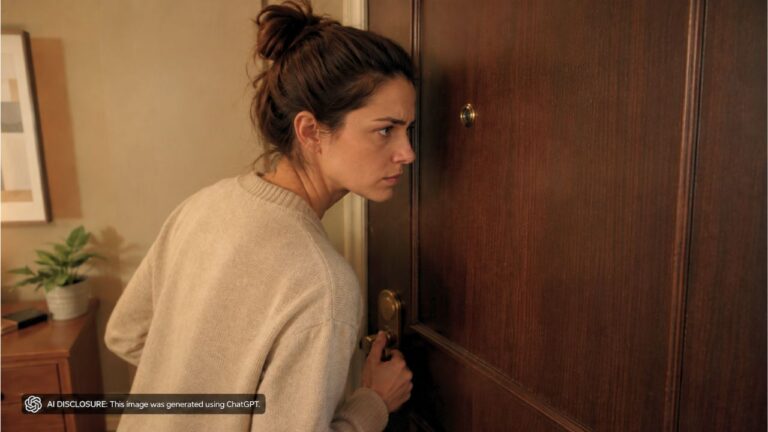
It started as a throwaway comment at a family dinner: the wife’s younger sister casually mentioned how “nice” it would be to have a niece named after her. The expecting dad says he didn’t bite, figuring it would pass. Instead, it turned into a full-family pressure campaign that ended with him blurting out what he’d apparently been thinking for years.
In the original post, the husband explains that he and his wife are expecting a baby girl in a few months, and they’ve been trying to handle name decisions with a simple standard—both parents have to agree. That “two yes” rule held up until his wife asked for one specific name: her sister Rebecca’s.
A baby name turned into a referendum on the sister
The husband says his dislike for Rebecca isn’t new. He describes her as rude, entitled, and quick to run to her mother when she doesn’t get her way—behavior he doesn’t think fits someone who’s 22.
He also says his wife’s family tends to protect and “baby” Rebecca, which has only made things worse over time. From his perspective, the sister has been rewarded for dramatic reactions, and the family has learned to rush in and soothe her instead of setting limits.
That background mattered when Rebecca floated the idea of a namesake during dinner. The husband says he shrugged it off, but after they got home, his wife sat him down and told him she wanted to name their daughter after her sister because it would mean a lot to Rebecca.
The wedding story was still fresh in his mind
When he explains why he refused, the husband points to what he sees as a pattern, not a single moment. The example he chooses is from his own wedding day, when he says Rebecca had what he calls a “mini meltdown” over her shoes being the wrong color.
According to him, the shade difference was minor—just a different tone of white—and the bridesmaid dress was long enough that the shoes weren’t even visible. Still, he says this happened about 30 minutes before the ceremony, and Rebecca ended up crying while people comforted her instead of focusing on the wedding.
To him, that moment summed up why he didn’t want his daughter tied to Rebecca’s name. It wasn’t about disliking a name on paper; it was about what the name would represent inside their family dynamic.
The “two yes” rule held—until the texts started
The couple’s naming policy was straightforward: if one parent says no, it’s a no. The husband says he told his wife he wouldn’t agree to naming their daughter after Rebecca, and his wife relayed the decision to her sister by text.
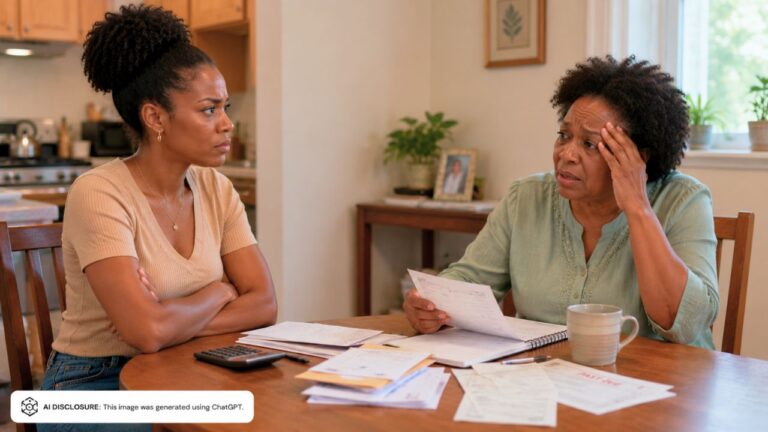
That’s when the tone changed. The husband says his wife began receiving messages from her family urging her to change her mind. When she didn’t, he claims the messages turned rude.
Then the pressure shifted to him. He says he started receiving texts too, and eventually got a call from his mother-in-law and Rebecca. He describes it as the same question being asked repeatedly—why not—after he’d already said no multiple times.
He snapped, and the words made everything worse
At some point on the call, the husband says he lost his patience. He told his mother-in-law and Rebecca that he would never name his daughter after Rebecca, and then went further—calling her a spoiled brat and saying he didn’t want their daughter to be anything like her.
He hung up, but the fallout didn’t stop there. His wife, he says, believes her family was “being a lot” and is generally on his side about the boundary. At the same time, she wants him to apologize and smooth things over.
The husband says he’s continued to get texts claiming Rebecca has been crying since the conversation. And now, in the family’s eyes, he’s the villain—the one who “made” her cry rather than the one who refused to give in to a demand.
What people fixated on: boundaries, leverage, and the baby’s future
While the post focuses on the couple’s argument with the in-laws, the bigger concern running through the story is what happens after the baby arrives. The husband’s description suggests he worries that if the family can bully them into a name, it sets the tone for everything else—visits, parenting decisions, holidays, and how the child is treated in that family system.
Even without seeing the full comment section, the pressure points are familiar: once extended family members feel entitled to decisions that belong to the parents, it rarely stops at one request. A name becomes leverage. “We did this for you” becomes a recurring line. And if Rebecca is already prone to emotional blowups that the family rewards with attention, a niece “named after her” could become another tool for control and a reason to insert herself into the child’s life.
There’s also the practical question of how this family communicates. The husband describes a cascade: one comment at dinner, a private conversation between spouses, then immediate outreach to the sister, and suddenly multiple relatives texting and calling. For a couple expecting a baby, that kind of mob-style messaging can become a constant stressor unless boundaries are tightened.
The mess now is less about the name than the apology
On paper, the couple still has the power to choose any name they want. The “two yes” rule is intact, and the wife has not overridden him. But emotionally, they’re now dealing with a different fight: whether the husband should apologize for what he said on the call.
His wife seems to be trying to hold two truths at once—agreeing her family escalated and pushed too hard, while also believing his insult crossed a line that will make future interactions harder. The husband, meanwhile, doesn’t sound interested in smoothing things over if it means rewarding the behavior that led to the blowup in the first place.
That’s the bind. If he apologizes too broadly, the family may treat it as a win and return to the naming demand or the next demand. If he refuses entirely, he risks cementing himself as the outsider who “insulted” the family’s favorite—and making every pregnancy update and postpartum boundary a battle.
For now, the baby name remains undecided in the post, but the family lines are clearer than they were before dinner. The couple can pick a name together. The harder part will be making sure the next time someone insists, cries, or recruits the whole family to apply pressure, “no” is still allowed to mean no.
Check out more from Now Rundown:
- A Party of 12 Came Back a Month Later Demanding Their $80 Tip Refunded — My Restaurant Made Me Pay It
- Her Coworker Kept Filing the Same Complaint About Her After Being Warned — Then She Filed a Counter-Report With Every Email Documented
- Siblings Demanded Half of Their Sister’s $11 Million Inheritance — She Refused Because They Never Visited
- The Kid I Bullied in Middle School Just Interviewed for a Job on My Team — He Bombed It and I Didn’t Hire Him

Abbie Clark is the founder and editor of Now Rundown, covering the stories that hit households first—health, politics, insurance, home costs, scams, and the fine print people often learn too late.