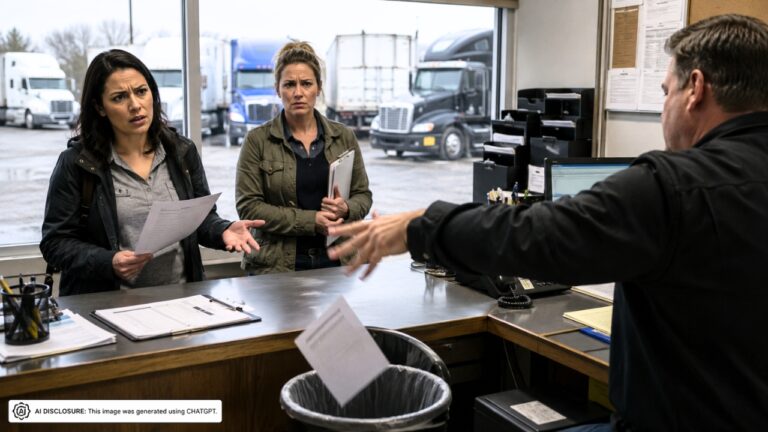
Worker Says Coworker Assaulted Them Outside the Workplace — Then HR Became Part of the Fallout
Photo credit: Photosvit/istock.com
A Canadian worker said a conflict with a coworker followed them outside the workplace and turned into a serious safety issue after the coworker allegedly assaulted them.
The worker shared the situation in a post on r/AskHR, explaining that the incident happened away from the actual workplace but still involved someone they worked with. That made the situation harder to sort out. If a coworker causes harm on the job, most people understand that HR, management, and workplace safety rules may all be involved. But when the incident happens outside work, the lines can feel less clear.
The worker’s concern was not simply that they had argued with a coworker. They described being assaulted by that coworker, which raised both personal safety and employment questions. They wanted to know how HR should be involved, whether the workplace had any responsibility to respond, and what the next steps should be when the person accused still had a connection to their job.
That connection mattered. Even if the incident happened outside the building, the worker might still have to see the coworker at work, share shifts, pass them in common areas, or depend on management to keep the workplace safe. A conflict does not magically stop affecting work just because it happened off the clock.
The worker was facing two problems at once. First, there was the alleged assault itself, which could involve police, medical documentation, and personal safety planning. Second, there was the workplace fallout. Could the coworker keep showing up? Would HR separate them? Would the employer investigate? Would the worker be expected to return like nothing happened?
That can be a very isolating position. An employee may feel unsafe, but they may also worry that if the incident did not happen on company property, management will treat it as a private matter. At the same time, if the person accused works beside them, the workplace cannot pretend the situation has no effect.
The worker’s post captured that uncertainty. They were not asking for gossip or revenge. They were trying to understand what rights and protections might exist when a coworker allegedly harms them outside work and then remains part of their professional environment.
The situation also raised the issue of documentation. If police were involved, a report number could matter. If there were injuries, medical records could matter. If there were messages, witnesses, or prior conflict, those details could matter too. HR may not be able to act on rumors, but a police report or written complaint can give the employer something concrete to review.
The worker also had to think about what they wanted from the company. Did they want the coworker suspended? A no-contact directive? Schedule separation? A transfer? Time off? A safety plan? A workplace investigation? Those requests would need to be clear because HR may not automatically know what would make the worker feel safe enough to return.
The post did not describe a clean outcome where the coworker was immediately removed. It sat in the difficult period after an alleged assault, when the worker still had to figure out what role the employer should play.
Commenters generally told the worker that the alleged assault should be handled through police or local authorities, while the workplace safety concerns should be handled with HR in writing.
Several people said that if the worker had not already reported the assault to police, that should be one of the first steps. HR can investigate workplace policy violations, but HR cannot replace law enforcement when someone is physically harmed or threatened.
Others told the worker to notify HR with clear, factual information. The message should include that the incident involved a coworker, that it created a workplace safety concern, and that the worker wanted to know what steps would be taken to prevent contact or retaliation at work.
Commenters also recommended asking for specific protections. A vague request for HR to “do something” may not result in much. A clearer request could include being scheduled separately, not being assigned to the same area, having management present during any necessary interactions, or being told how to report any future contact.
Documentation came up repeatedly. Commenters told the worker to save police reports, medical records, photos of injuries if applicable, messages, witness names, and any communication with the coworker or employer. If HR later questioned the seriousness of the situation, the worker would have a record.
Some commenters were realistic that employers may handle off-duty conduct differently depending on the workplace, contract, union rules, company policy, and local law. But they also said that if the coworker’s presence made the workplace unsafe, the employer should not ignore it simply because the incident happened outside the building.
There was also advice not to confront the coworker directly or try to settle it privately if the worker felt unsafe. Once an assault allegation exists, direct contact can make the situation worse and may interfere with whatever police or HR process follows.
The post did not end with a final HR decision or a court outcome. It ended with the worker trying to understand how to move forward when a coworker conflict had crossed into alleged violence.
That is what made the situation so serious. The worker was not asking about an uncomfortable comment or a bad shift. They were asking how to keep working when the person accused of assaulting them was connected to the same workplace.
Commenters did not tell them to choose between police and HR. They told them both lanes mattered: report the alleged assault through the proper legal channels, and make the workplace address the safety fallout in writing.
Because when a coworker allegedly assaults someone outside work, the location does not erase the problem. If both people still have to show up to the same job, the employer needs to know there is a safety issue before the next shift puts them back in the same space.

Abbie Clark is the founder and editor of Now Rundown, covering the stories that hit households first—health, politics, insurance, home costs, scams, and the fine print people often learn too late.