USPS Dropped the Package Next Door, Camera Showed It — Then the Neighbor Said They Knew Nothing
Photo credit: Carmen Whitehead/istock.com
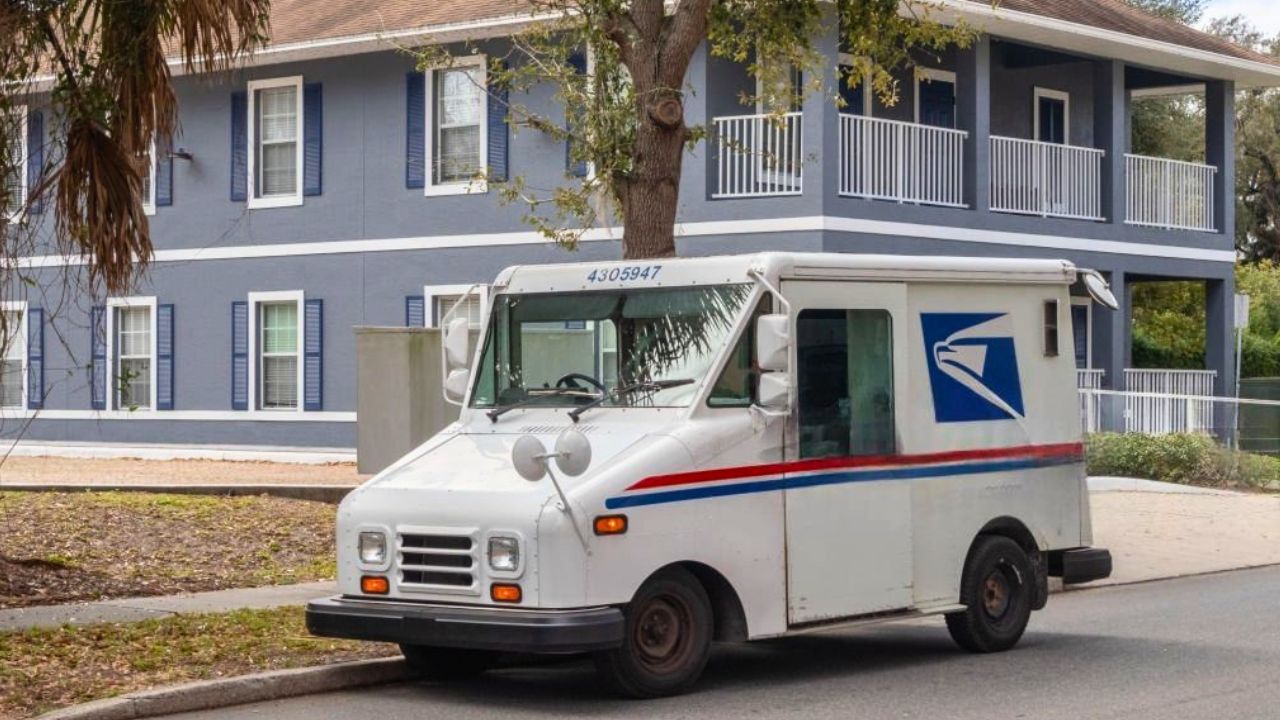
A Reddit user said a misdelivered package turned into a frustrating neighbor dispute after USPS appeared to deliver the box next door, but the neighbor allegedly claimed they knew nothing about it.
The user shared the situation in a post on r/legaladvice, explaining that the package had been delivered to the wrong address. According to the poster, camera footage appeared to show USPS dropping it off at the neighbor’s home instead of the correct one.
That kind of mistake happens often enough that most people know the first step. You check the tracking, look around the porch, maybe ask nearby neighbors, and hope the package is still sitting where it landed. A misdelivery can be annoying, but it does not always become a conflict.
This one did.
The poster said the neighbor claimed she did not know anything about the package. That response made the situation much harder to solve. If a package is delivered next door and the neighbor immediately says, “Yes, it’s here,” the problem is fixed in five minutes. But when the camera appears to show the delivery and the neighbor denies knowledge, the person missing the package is left with fewer easy options.
That is where the situation moved from a shipping issue into a possible theft or legal issue. The package had not simply vanished into the delivery system. The poster believed there was visual evidence showing where it went. But the person at that address was not admitting they had it.
The poster wanted to know what the next steps should be. Should they contact USPS again? File a claim? Call police? Confront the neighbor? Send the footage somewhere? Could the neighbor be held responsible if the package was delivered to her home and not returned?
Those questions matter because misdelivered packages sit in a gray area for the person who receives them. A neighbor may not have ordered the item, but that does not mean they can keep it if it clearly belongs to someone else. At the same time, the person missing the package still needs proof of where it went and what happened afterward.
The camera footage was the key detail. Without it, USPS might say the package was delivered, the sender might say the order was complete, and the buyer might be stuck arguing with tracking information. With footage, the poster had a stronger reason to say the package was not delivered to their address.
But even strong footage may not answer everything. It might show the carrier leaving the package at the neighbor’s door. It may not show who picked it up afterward, whether the neighbor brought it inside, whether someone else took it, or whether it was later moved. That makes the neighbor’s denial especially frustrating but not automatically the full answer.
The post captured the awkward part of living near the person involved. This was not a random porch pirate on video. This was the neighbor next door. Any direct accusation could affect the relationship long after the package was gone.
The poster needed a way to recover the item or protect their money without turning the situation into a shouting match across the property line.
Commenters told the poster to preserve the camera footage and use it when contacting USPS. The footage could support the claim that the package was delivered to the wrong location, which made the issue different from a package stolen after correct delivery.
Several people said the poster should contact the post office directly rather than relying only on online tracking or customer-service forms. A local postmaster or supervisor may be able to speak with the carrier, review GPS delivery data, or confirm whether the package was scanned at the wrong address.
Others suggested filing a missing mail claim or misdelivery complaint with USPS and including any evidence available. If the package was insured or shipped through a service with claim options, the sender may also need to be involved.
Commenters were cautious about accusing the neighbor outright. Even if the package was delivered there, it was still possible someone else took it before the neighbor saw it. The safest path was to avoid escalating face-to-face and let the delivery service or police handle it if necessary.
Some commenters said that if the footage clearly showed the package arriving at the neighbor’s door and the neighbor refused to return it, the poster could consider filing a police report. The value of the package would matter, and police might or might not treat it as theft depending on the evidence. But a report could create a record if USPS, the seller, or a payment provider needed one.
Others recommended contacting the seller as well. In many cases, the seller is the shipper and may have more ability to open a claim with USPS. The buyer could explain that the package was misdelivered and provide the footage or screenshots.
There was also practical advice for future deliveries. Commenters suggested package lockers, pickup holds, signature confirmation, or delivery instructions if misdelivery was common in the area. Those steps would not solve the current package, but they could prevent another awkward neighbor dispute later.
The post did not end with the package returned or the neighbor admitting anything. It ended with the poster trying to decide how to use proof of a misdelivery when the person at the wrong address said they knew nothing about it.
That is what made the situation so frustrating. A camera showed the package going next door, but the package was still gone. USPS had made the initial mistake, but the neighbor’s denial made the outcome feel more personal.
Commenters did not tell the poster to start a fight with the neighbor. They told them to save the footage, contact USPS locally, involve the seller if needed, and file a report if the value and evidence justified it.
Because when a package is visibly delivered next door and then disappears, the issue is no longer only a shipping mistake. It becomes a question of who had the package, who is responsible for fixing the misdelivery, and how much proof it takes before someone has to answer for it.

Abbie Clark is the founder and editor of Now Rundown, covering the stories that hit households first—health, politics, insurance, home costs, scams, and the fine print people often learn too late.