Wife Expressed Sadness Over Being Left Out of Her Husband’s Family Plans — Then He Sided With Them Anyway
Photo credit: AI-generated image created using ChatGPT. Illustrative only
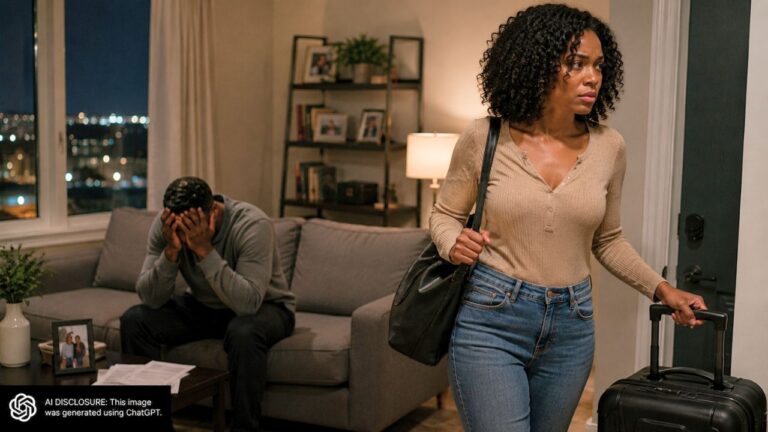
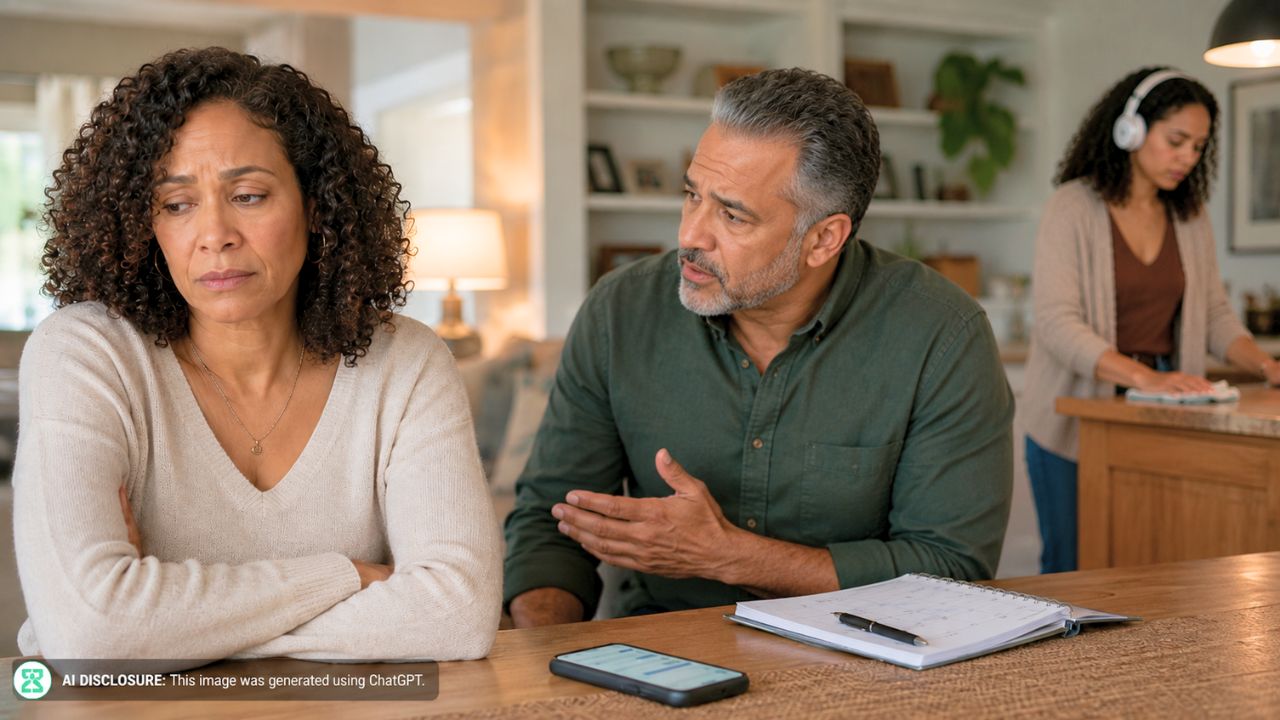
After two decades of trying to fit into a blended family, one wife finally admitted to her husband that the distance with his adult daughter still hurt. She thought she was sharing something privately, the kind of honesty that’s supposed to stay inside a marriage.
Instead, her husband took the concern straight to his daughter, turning a quiet confession into a confrontation—one that ended with a blunt explanation about why the stepdaughter has kept her at arm’s length. The full account was shared in the original post.
A relationship that never turned into a bond
The wife said she met her husband 21 years ago when he was a young widower raising an 8-year-old daughter. Their friendship grew into a relationship, and they married when the girl was 11. Later, the couple had three children together while the stepdaughter was a teenager.
From the beginning, the wife knew her relationship with her stepdaughter wasn’t the picture-perfect version people like to imagine. It wasn’t explosive or openly hostile, either. It was more subtle: tolerated, not embraced.
For years, she assumed time would soften things. She framed it as a teenager adjusting to a step-parent and expected that adulthood might bring a friendlier, more independent connection. But as the years passed, she said it became clear her stepdaughter didn’t want a relationship with her outside of her father.
The small rejections that added up over time
The wife described trying to build a simple connection: coffee, lunch, casual meet-ups. The answer was always that her stepdaughter was busy. Yet she still made time for one-on-one visits with her dad, which made the “busy” explanation feel less like scheduling and more like a boundary.
Eventually, the wife stopped asking. She told herself her stepdaughter was an adult with a life of her own and that she didn’t want to force closeness where it wasn’t wanted. But she also admitted it hurt.
The hurt got sharper during the stepdaughter’s wedding, where the couple took what the wife described as solo photos with “closest family members.” The list included her father, the in-laws, grandparents, and even the groom’s stepmother. The wife noticed she wasn’t included in those solo shots and wasn’t mentioned in the toast, either.
Her husband caught the omission in the toast, but not the photo situation. When he brought it up, she tried to smooth it over, suggesting they may have simply forgotten to mention her. At the time, she chose the explanation that kept the peace.
The babysitting request that made it impossible to ignore
Years later, the stepdaughter asked her dad if he could babysit her two young children so she could go to a hospital appointment. He was working that day, and he told her so—but he also offered an alternative: his wife was available and willing to help.
The wife said she was genuinely happy to babysit. It wasn’t a power play or a demand to be included. It was a practical moment where she could support the family.
But the offer didn’t land as help. The stepdaughter suddenly said it was okay because someone else was available. Later, the wife learned the appointment was ultimately rescheduled so the stepdaughter’s husband could be off work to stay with the kids.
To the wife, the message felt unmistakable: her stepdaughter didn’t want her alone with the grandchildren. She said her husband can ask for a “grandpa day” with no issue, but she isn’t permitted the same access—even when childcare is urgently needed.
She finally told her husband the truth—and he brought it to the family anyway
The babysitting episode pushed the wife past the point of pretending it didn’t sting. She confided in her husband about her feelings and the pattern she’d been noticing for years. She told him she didn’t want a relationship forced, but she had hoped that after so long, things would be warmer.
She also asked him not to bring it up with his daughter. He did it anyway.
When he questioned his daughter, it was the first time he seemed to grasp how consistent the distance had been. The wife said he’d noticed “some stuff” but had taken the excuses at face value, including the wife’s own attempts to minimize moments like the wedding toast.
He reportedly told his daughter it seemed excessive not to let his wife watch the kids so she could attend a doctor’s appointment. That’s when the stepdaughter put her reasoning into words.
A blunt explanation about the grandkids—and a new label
The stepdaughter told her father she doesn’t want her kids growing up thinking of the wife as their grandmother. In her view, limiting time with her father’s wife makes her “happier.” She also said she didn’t see a problem with refusing a relationship.
Then came the part that changed the tone: she accused the wife of being “unstable” for confiding in her husband instead of accepting the distance and getting over it.
For the wife, that accusation didn’t just hurt—it reframed everything. She said she thought she had been accepting the reality. But hearing her stepdaughter’s reasoning out loud, and being characterized as unstable for having feelings, left her questioning whether even bringing it up with her husband was a mistake.
Rather than escalate further, she said she decided to seek therapy to help herself become more okay with the dynamic. Still, she was left second-guessing the moment she opened up at home.
What people tended to focus on: boundaries, loyalty, and the husband’s role
While the wife’s central question was whether she was wrong to express sadness, the tension in the story largely centers on what happened after: her husband ignoring her request not to raise it with his daughter.
A lot of people tend to see two separate conflicts in situations like this. One is the stepdaughter’s clear boundary—she doesn’t want a stepmother figure, and she’s extending that boundary to her kids. The other is the marriage issue: the wife shared something vulnerable and asked for privacy, and her husband acted on it anyway, effectively making her feelings a family debate.
There’s also the practical fallout. Once someone says out loud they don’t want you alone with their children, it can change how every future holiday, visit, and milestone feels. Even if everyone stays polite, the wife is now carrying an explicit explanation for the exclusion she used to soften with excuses.
The wife isn’t describing a blow-up or a family split. But she is describing something that can linger for years: being present, being civil, and still being treated like an outsider—now with the added reality that her husband knows exactly why.
She ended her post unsure whether confiding in him was unfair or inappropriate. What’s clear is that her attempt to quietly process her place in the family didn’t stay quiet for long, and the answers she got weren’t the kind that can be unseen.
Check out more from Now Rundown:
- A Party of 12 Came Back a Month Later Demanding Their $80 Tip Refunded — My Restaurant Made Me Pay It
- Her Coworker Kept Filing the Same Complaint About Her After Being Warned — Then She Filed a Counter-Report With Every Email Documented
- Siblings Demanded Half of Their Sister’s $11 Million Inheritance — She Refused Because They Never Visited
- The Kid I Bullied in Middle School Just Interviewed for a Job on My Team — He Bombed It and I Didn’t Hire Him

Abbie Clark is the founder and editor of Now Rundown, covering the stories that hit households first—health, politics, insurance, home costs, scams, and the fine print people often learn too late.