Woman Kept Quiet About Inheritance Money From Her Late Father’s Will — Then Her Mother Found Out and Demanded a Share
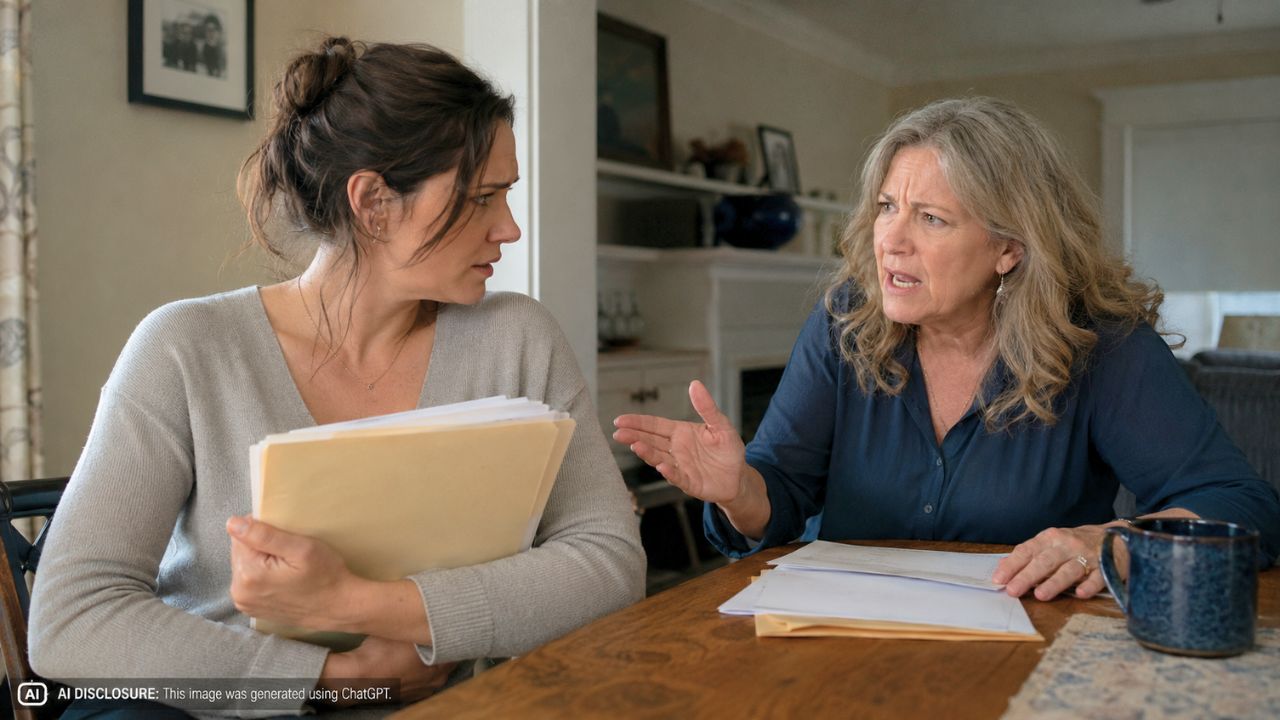
Photo credit: AI-generated image created using ChatGPT. Illustrative only
A 21-year-old college student thought she’d handled a family inheritance the safest way possible: quietly, directly, and with paperwork signed. The money wasn’t from her mother’s side of the family, and she didn’t see any reason to announce it—especially in a house where money has already caused blowups.
But the secret didn’t stay secret. After her mother found documents about the inheritance in her father’s car, the argument that followed turned into a shouting match that left the young woman questioning whether she’d done something wrong in the first place. The details were shared in the original post, where she laid out the history behind her decision and what happened when her mom found out.
She received the money, and she chose silence on purpose
According to the post, the inheritance came from her grandfather on her dad’s side. She described it as “a good amount of money,” enough that she treated it seriously rather than as casual spending cash.
When the money came through, she and her father handled the process together. They went in and signed for it, and her dad was present when she opened a savings account to hold the funds. In her mind, that was the correct circle of people involved: the beneficiary, the parent connected to that side of the family, and the bank.
Her mother wasn’t included—not because she forgot, but because she made an intentional call not to tell her.
Why she didn’t tell her mom: trust, entitlement, and a history with money
The young woman said she and her mother don’t get along and that she doesn’t trust her. She also described her mom as someone who often feels entitled to “everything,” which shaped how she anticipated the conversation would go if her mother learned about the inheritance.
Most importantly, she said her mother has taken money from her before. That detail turned this from simple privacy into self-protection. If someone has already crossed that line once, it’s easy to see why she’d prefer to keep financial details out of reach.
She also pointed out something straightforward: she’s 21. In her view, that means she’s not obligated to disclose her personal finances, even to a parent, especially when the funds were left to her and she had already secured them in her own account.
The discovery came through paperwork left in a car
The turning point wasn’t a confession or a family meeting—it was paperwork. Her mother found documents in her dad’s car relating to the inheritance money. It’s not described as snooping or a deliberate search, just that she “found some papers,” and the information was suddenly out.
The reaction was immediate and intense. Her mother was “furious” and began yelling at her father for multiple reasons, but a major one was that he knew about the money and she didn’t.
From her mother’s perspective, that looked like a betrayal inside the marriage: her husband and daughter were aware of a significant financial development, and she was left out. From the daughter’s perspective, it was a boundary being enforced—one her dad supported.
The argument escalated fast, and she became the target
After yelling at her dad, her mother turned on her. The young woman wrote that her mom “screamed” at her, emphasizing that it wasn’t just a raised voice—it was a full-on verbal explosion.
Her mother accused her of lying and “said some other pretty nasty things.” The post doesn’t list every insult, but the tone is clear: this wasn’t a calm conversation about why she kept it private. It was anger, accusation, and moral framing—treating non-disclosure like dishonesty.
That left the daughter stuck in a familiar place for people in tense households: trying to defend a basic decision while also absorbing the emotional fallout. She argued back internally and in her post that she’s an adult, it’s her money, and she didn’t have to tell her mother anything.
People zeroed in on boundaries—and the reality of still living at home
In an edit, the young woman thanked readers for their opinions and suggestions, saying she’s prone to doubting herself and being convinced she’s wrong. That detail matters because it hints at a longer pattern: when conflict erupts, she second-guesses even reasonable boundaries.
A lot of the feedback she received appeared to push toward moving out, but she said that isn’t realistic right now. She’s entering her senior year of college and working part-time, and she doesn’t see leaving as the best financial choice at the moment.
She also said she has a younger sibling at home—a “best friend” she isn’t ready to leave behind, especially given “how my mom is.” Her tentative plan is to stay at least until her sibling can drive, so the younger child has more independence and an easier exit if needed. She thinks she can make it two more years, but admitted something could change and force her to leave sooner.
The money is secured, but the household tension isn’t going away
What makes this messy is that the inheritance itself seems handled responsibly: she deposited it into savings and kept the process formal, with her father present for the signing and account setup. But the discovery shifted the story from banking logistics to household control—who gets to know what, who gets a say, and who gets blamed.
There’s also the unresolved marriage dynamic in the background. She said her parents don’t get along “at all,” even though they’re still married. Her dad supporting her decision not to tell her mom likely felt like taking sides, even if he saw it as protecting his daughter from past behavior.
Now she’s in a tough spot: she can’t unring the bell. Her mother knows the money exists, and the reaction suggests future pressure—guilt, demands, monitoring, or attempts to force disclosure—could become part of daily life. At the same time, she isn’t in a position to leave quickly without risking her finances and her connection to her younger sibling.
For now, the inheritance is hers, but the bigger cost is playing out at home: a private financial decision has turned into a fight about loyalty, access, and control—one that doesn’t seem likely to cool down anytime soon.
Check out more from Now Rundown:
- A Party of 12 Came Back a Month Later Demanding Their $80 Tip Refunded — My Restaurant Made Me Pay It
- Her Coworker Kept Filing the Same Complaint About Her After Being Warned — Then She Filed a Counter-Report With Every Email Documented
- Siblings Demanded Half of Their Sister’s $11 Million Inheritance — She Refused Because They Never Visited
- The Kid I Bullied in Middle School Just Interviewed for a Job on My Team — He Bombed It and I Didn’t Hire Him

Abbie Clark is the founder and editor of Now Rundown, covering the stories that hit households first—health, politics, insurance, home costs, scams, and the fine print people often learn too late.