Woman Canceled Her Vacation After Learning What Her Parents Did With Money She’d Sent Them — Then Cut Them Off
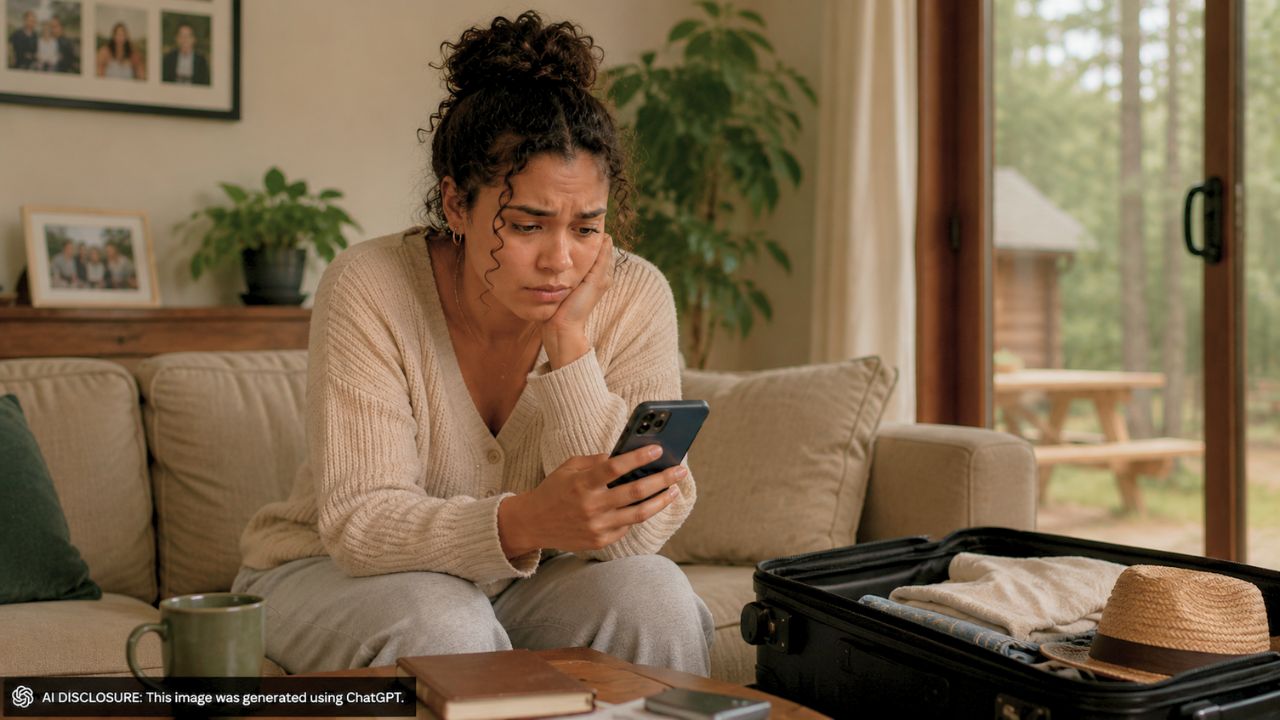
Photo credit: AI-generated image created using ChatGPT. Illustrative only
She thought this summer’s annual campground trip would be one of the rare chances her parents actually showed up as grandparents. Instead, she says she found out they’d invited another couple to tag along for the entire week—without checking in with the rest of the family—so she canceled her reservation and decided her household wouldn’t go.
In the original post, the woman describes a relationship that already felt lopsided: she and her siblings do the calling, do the traveling, and do most of the work to keep the connection alive. The campground vacation was supposed to be different—a full week where her parents could actually spend time with their grandkids, including her young son.
The distance wasn’t new, but the trip was supposed to be the fix
According to her, her parents have a pattern of being “absent grandparents.” They don’t visit, she says, and they rarely call or message unless the kids reach out first. The disconnect is so familiar that she and her siblings have brought it up before, only to get excuses and promises that things will change.
That’s what made the yearly vacation feel so important. The family books separate cottages at the same campground and spends a week together every summer. For her, it wasn’t just time off—it was a built-in window where her parents couldn’t be too busy or too far away to be involved.
She also described the emotional whiplash of the times they do gather: the visits can be warm and fun, with laughs and “special memories.” At the same time, she feels like her parents enjoy the image of being doting grandparents “online/to their friends,” while the day-to-day reality feels thin.
The extra guests changed what the week was going to look like
The turning point came when her sister told her their parents had invited friends—another couple—to join the family vacation for the entire week. To her, it wasn’t a small addition. It shifted the whole point of the trip, from concentrated family time to something closer to a shared campground week where her parents would be splitting their attention.
She was upset for two reasons. First, she felt her parents should have asked the family how they felt before inviting “random people” to what had always been framed as a family week. Second, she believed it meant even less time with the grandkids—because now her parents would have guests to entertain and a social schedule that didn’t revolve around their children and grandchildren.
For a parent already sensitive to her child being overlooked, the thought of sitting through a week of that—watching her son be ignored while her parents focused elsewhere—felt unbearable.
The call-out didn’t land, and the argument got personal fast
She messaged her dad and told him she was hurt. But instead of a conversation about expectations and feelings, she says both parents immediately got defensive. They accused her of being “controlling/ demanding/ entitled,” and framed her objection as trying to “own their time.”
From her perspective, that missed the point. She wasn’t trying to dictate every hour of their vacation. She was trying to protect her kid—and herself—from the gut-punch of realizing that even on the one week designed for family togetherness, she still couldn’t count on her parents to prioritize their grandchildren.
The fight also seemed to confirm something she already feared: that when she names the pattern, they don’t hear her. They hear criticism. And that turns into a standoff instead of change.
Canceling the reservation was the boundary, not the bargaining chip
Her response was immediate and concrete. She canceled her family’s reservation, meaning she, her spouse, and her son would sit the trip out this year.
She framed it less as punishment and more as self-preservation. If the week was going to include watching her child get brushed aside, she didn’t want to pay for the privilege—or spend her vacation managing disappointment in real time.
That decision, though, escalated the fallout. Her parents now want an apology, she said, because she “really upset them.” To her, that demand adds another layer of pain: she feels she’s being asked to apologize for having feelings about a long-running imbalance.
It also introduces a new reality. Canceling a trip is not just a symbolic move. It means forfeiting the shared memories she hoped her son would have with his grandparents—memories she says she had with her own grandparents and desperately wanted to recreate.
What people zeroed in on: the pattern, the expectations, and the cost of chasing effort
The post itself is focused on one triggering detail—inviting another couple—but the bigger theme is a familiar one: adult children trying to manage the grief of parents who say they want closeness, yet don’t show up consistently.
Readers tend to focus on patterns like the ones she described: not calling, rarely visiting, barely messaging, and even failing to acknowledge a child’s birthday. When that’s the backdrop, the invited friends don’t look like a neutral add-on. They look like proof of priorities—energy for social plans, but limited effort for grandkids.
Another practical point people often bring up in scenarios like this is the hidden price of “making it work.” If one side is always traveling, always initiating, and always smoothing things over, the cost isn’t only emotional. It’s time off work, money spent on trips, and the mental load of trying to create a relationship on someone else’s behalf.
In that light, canceling the reservation reads as a boundary: refusing to spend more time and money on an arrangement that repeatedly leaves her and her child feeling like an afterthought.
Where it leaves the family now
Nothing about her post suggests she wants a permanent rupture. She says she loves her parents and wants them to have a good relationship with her son. But she’s also blunt about how one-sided the connection feels, and how tired she is of hoping “this time will be different.”
The immediate tension is simple: her parents want an apology, and she wants them to understand why the invitation felt like one more reminder that the grandkids aren’t their priority. Underneath that is the harder question—whether her parents are willing to change their behavior, or only willing to defend it.
For now, the vacation will still happen, just without her household there. And she’s left with the same thing she started with: a desire for closeness, and the painful realization that wanting it doesn’t make the other side show up.
Check out more from Now Rundown:
- A Party of 12 Came Back a Month Later Demanding Their $80 Tip Refunded — My Restaurant Made Me Pay It
- Her Coworker Kept Filing the Same Complaint About Her After Being Warned — Then She Filed a Counter-Report With Every Email Documented
- Siblings Demanded Half of Their Sister’s $11 Million Inheritance — She Refused Because They Never Visited
- The Kid I Bullied in Middle School Just Interviewed for a Job on My Team — He Bombed It and I Didn’t Hire Him

Abbie Clark is the founder and editor of Now Rundown, covering the stories that hit households first—health, politics, insurance, home costs, scams, and the fine print people often learn too late.