Why this New York appointment signals where Pope Leo XIV wants the U.S. Church to go next
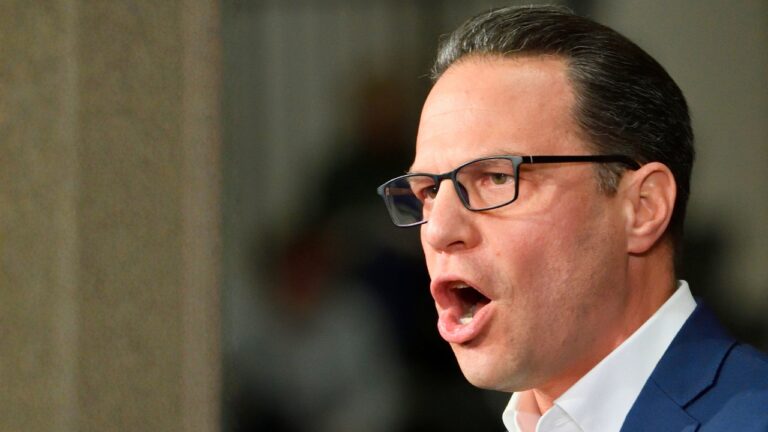
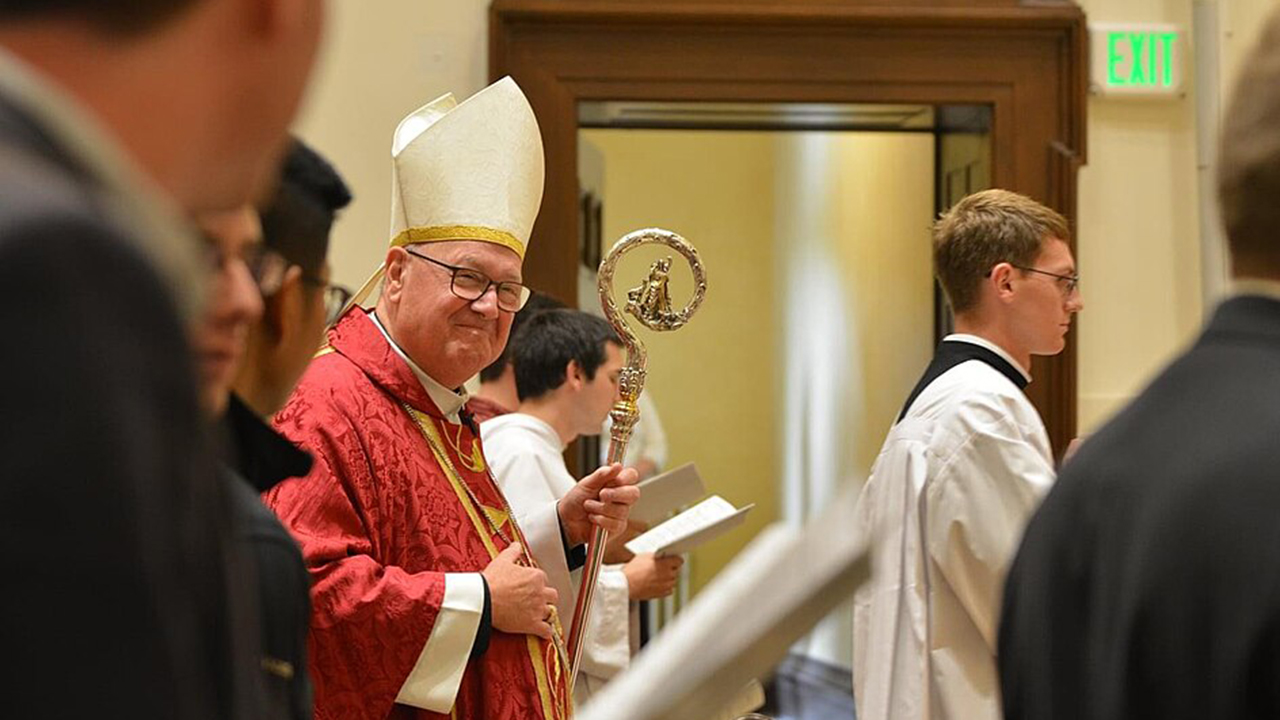
Photo credit: MTF-GR, CC BY-SA 4.0/Wiki Commons
The choice of a new archbishop for New York is never just a personnel move, and you can read this one as a roadmap. By tapping Bishop Ronald Hicks to succeed Cardinal Timothy Dolan, Pope Leo XIV is signaling the kind of leadership, priorities, and public witness he expects from the U.S. Church in the years ahead.
If you care about where Catholic power and energy are headed in the United States, you should see this appointment as a pivot point, not a footnote, in the story of Pope Leo XIV and his emerging vision.
The end of the Dolan era and the scale of New York’s stage
You cannot understand what Pope Leo XIV is doing without first grasping what is ending. His decision to accept the resignation of His Eminence Cardinal Timothy M. Dolan at age 75 closes a chapter dominated by a media-savvy, politically connected conservative voice who helped define Catholic engagement in the United States for more than a decade. Dolan’s tenure was marked by high-profile clashes over religious liberty, a strong presence in national debates, and a style that often aligned with culture-war framing, especially on questions of sexuality and public policy.
By contrast, the Archdiocese of New York that Bishop Ronald Hicks inherits is not just a symbolic see but a sprawling institution with millions of faithful and a global megaphone. The same Vatican announcement that confirmed Dolan’s resignation underscored that the archdiocese serves a population in the millions, of which 1,572,580 are Catholic, a reminder that whoever leads New York is automatically one of the most visible churchmen in the country. When Pope Leo XIV chooses a new face for that role, he is not simply filling a vacancy, he is redefining what Catholic leadership in the United States looks like at the very top.
Why Ronald Hicks, and why now
For Pope Leo XIV, the choice of Ronald Hicks is not a compromise candidate but a deliberate statement about the kind of bishop he wants you to see in the spotlight. Hicks is already being described as a “pro-migrant” pastor whose record on social issues, especially immigration, contrasts with the more combative style associated with Dolan. Reporting on the transition has framed it as a “significant shift” in which Leo replaced Dolan with a bishop known for championing the rights of migrants and calling for “comprehensive immigration reform,” a stance highlighted in coverage of how Leo replaced Dolan at the helm of New York.
Hicks’ appointment also reflects the pope’s preference for leaders formed in pastoral trenches rather than in Rome’s bureaucracy or academic corridors. Coverage of his background has emphasized his years in parish ministry and social outreach, and the Vatican announcement that Bishop Ronald Hicks was named the new archbishop of New York presented him as a working bishop, not a career diplomat, now stepping into one of the Church’s most visible pulpits. That framing, captured in reports that Bishop Ronald Hicks has been named to New York, tells you that Leo wants the U.S. hierarchy led by pastors who look outward to the margins rather than inward to ecclesial politics.
A Chicago thread running from Leo XIV to New York
There is also a geographic and cultural thread that runs straight from Chicago to the cathedra in Manhattan, and you should not overlook it. Earlier this year, the cardinals elected Chicago native Cardinal Prevost as pope, and he took the name Leo XIV, a choice that already hinted at a leader shaped by Midwestern Catholicism and its mix of immigrant history, labor politics, and parish pragmatism. The official announcement of his election described him explicitly as a Chicago native Cardinal Prevost who became Leo XIV as White smoke rose over the Vatican, a detail that now looks like the first chapter in a Chicago-inflected reorientation of global Catholic leadership.
By naming Ronald Hicks, another Chicagoan, as the next archbishop of New York, Leo is effectively exporting that pastoral DNA to the East Coast power center. Reports from Rome noted that Pope Leo XIV, on a Thursday in Dec, chose to name a “fellow Chicagoan” as the new archbishop, highlighting that Hicks’ roots are in the same city that formed Leo himself and that he has ministered in contexts shaped by The Trump administration’s immigration crackdown in the Chicago area. One account underscored that the pope has named fellow Chicagoan Bishop Ronald Hicks to New York, while another noted that Pope Leo has named Bishop Hicks as the next archbishop of New York in coverage that also referenced large scale immigration arrests in Chicago. The shared hometown is not a coincidence, it is a sign that Leo is elevating bishops who share his instincts on migration, social justice, and pastoral closeness.
Immigration, The Trump era, and a new public stance
If you want to see where Pope Leo XIV is steering the U.S. Church, look at how this appointment intersects with immigration politics in the age of President Donald Trump. Ronald Hicks has already been on record endorsing a message that condemned ICE raids, aligning himself with Catholic leaders who see aggressive enforcement as a violation of human dignity and family unity. Coverage of his promotion stressed that Ronald Hicks, who backed that statement, is now being sent to one of the biggest U.S. archdioceses, a move widely read as a continued challenge to The Trump administration’s hard line on immigration.
The broader context matters here. The Trump administration has carried out large scale immigration arrests in the Chicago area, leading to clashes between federal agents and local communities, a reality that has shaped both Leo XIV’s and Hicks’ pastoral horizons. Reports on the pope’s decision to name Hicks as the next archbishop of New York explicitly linked the appointment to those enforcement actions and to the Church’s response to ICE, noting that the new archbishop’s record includes public solidarity with migrants targeted by raids. When you see Pope Leo XIV choosing a bishop who has already confronted The Trump era’s immigration policies, you are seeing a papal strategy that expects U.S. bishops to stand visibly with the undocumented, even when that stance puts them at odds with the White House.
From culture wars to human dignity as the organizing principle
Under Leo XIV, you are being invited to see Catholic public witness less as a series of battles in the culture wars and more as a consistent defense of human dignity. An editorial assessment of his first months as pope described him as a leader whose election on May 8 signaled a commitment to “truth rather than diplomatic games” and rooted his agenda in the conviction that “Every human being possesses a God-given spirit, inherent dignity, and a right to justice.” That language, highlighted in a reflection that urged readers to Join the Conversation around Leo XIV as Newsmaker of the Year, frames his entire papacy as a project of re-centering the Church on “Every” person’s “God”-given worth.
Hicks’ record fits that template. He is not being promoted because he is a culture warrior, but because he has made migrants, the poor, and those on the margins central to his ministry. Coverage of the transition in New York has repeatedly described him as a “pro-migrant bishop” and contrasted his priorities with those of Dolan, whose public persona was more closely tied to partisan flashpoints. One report on how Leo replaced Dolan emphasized that the new archbishop has spoken explicitly about immigration reform as a moral imperative, not just a policy debate. In choosing Hicks, Leo is telling you that the organizing principle for Catholic engagement in the United States should be the defense of vulnerable lives, not the scoring of ideological points.
What kind of pastor New York is getting
For Catholics in the pews, the question is not only what Hicks symbolizes, but what kind of shepherd you will actually encounter. Profiles of the new archbishop have painted a picture of a man who is approachable, grateful, and already attentive to how his appointment is landing among ordinary believers. One feature that asked “Who is Ronald Hicks? Meet the new archbishop of New York” described how parishioners and commentators are expressing gratitude for the new archbishop and quoted voices noting that “The last week since I met him, I have seen how present this new archbishop already is,” a sentiment captured in coverage inviting you to Meet the new leader of New York.
At the same time, Hicks is stepping into a local church that faces serious internal challenges, from parish consolidation to a shortage of priests. Reporting on his appointment has noted that his arrival could help boost vocation numbers in New York, where there are currently only 23 seminarians preparing for the priesthood, a figure cited as a sign of how urgent the need for new leadership has become. One analysis suggested that Meanwhile, Bishop Hicks could bring fresh energy to vocations work, precisely because his pastoral style resonates with younger Catholics who are wary of partisan battles but hungry for authenticity and service.
How the Vatican framed the move and what it expects next
From Rome’s perspective, the appointment of Hicks was not a surprise twist but the culmination of a process that had been telegraphed in advance. On the eve of the announcement, Catholic outlets were already reporting that Pope Leo XIV was preparing to appoint the next archbishop of New York, identifying Hicks as a leading contender and noting his previous service as vicar general from 2015 to 2018. One such report, flagged as BREAKING, framed the impending decision as a key test of Leo’s approach to the U.S. hierarchy, especially given New York’s outsized influence.
When the Vatican finally confirmed the move, it did so in language that underscored both continuity and change. Official statements stressed that Pope Leo XIV appoints Bishop Ronald Hicks as next archbishop of New York while acknowledging the service of Cardinal Timothy Dolan, and local coverage in New York highlighted that Hicks is stepping into a role vacated by a towering conservative figure. One report on the transition noted that Pope Leo XIV appoints Bishop Ronald Hicks as the new archbishop, emphasizing that the pope personally accepted Dolan’s resignation and that the Vatican expects Hicks to bring a different tone, especially on social issues and engagement with marginalized communities. The message to you is clear: Rome wants New York to remain a powerful voice, but one that sounds more like Leo XIV.
What this signals for the wider U.S. Church
New York is not an island, and the kind of bishop Pope Leo XIV is sending there tells you what he hopes to see across the United States. By choosing a pro-migrant pastor from Chicago to replace a nationally known conservative cardinal, Leo is nudging the U.S. episcopate toward a profile that is less partisan, more immigrant-focused, and more willing to confront state power when it harms vulnerable people. Coverage of the appointment has repeatedly stressed that Bishop Ronald Hicks replaces retiring Cardinal Timothy Dolan, a prominent conservative figure in U.S. Catholic hierarchy, and that this change is part of a broader recalibration of Catholic leadership in the country. One account summed it up by noting that Bishop Ronald Hicks is taking over from Cardinal Timothy Dolan in New York, signaling a shift in tone and priorities at the top.
For you, whether you sit in a New York pew or watch Catholic politics from afar, the implications are straightforward. Expect more bishops who speak the language of accompaniment rather than confrontation, who frame immigration as a pro-life issue, and who see their role as defending the dignity of “Every human being” rather than aligning with any party, including The Trump administration. The fact that Leo, a Chicago native who has already been recognized as a transformative figure, is now placing another Chicago pastor at the helm of the most visible archdiocese in the United States suggests that this is not a one-off experiment but the template for where he wants the U.S. Church to go next.