Washington signals a more targeted aid strategy, and critics are pushing back
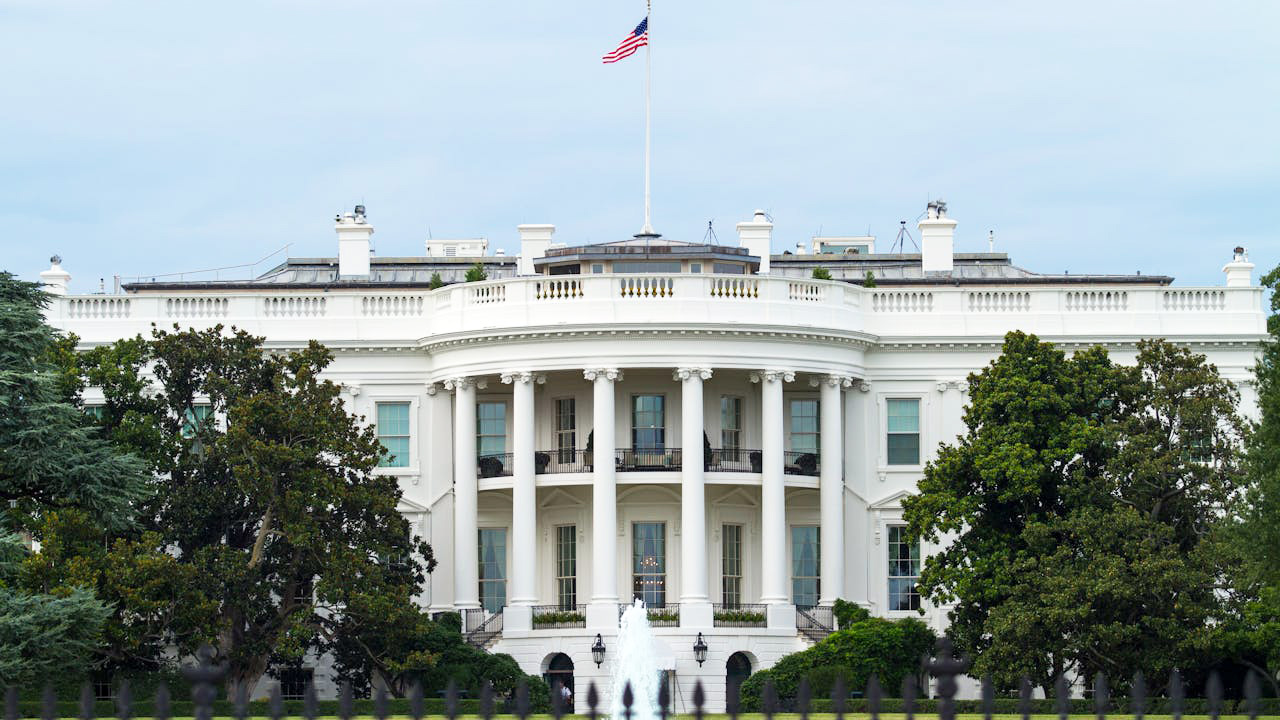
Photo credit: Ramaz Bluashvili/Pexels.com
Washington is reshaping how it spends aid, concentrating money in fewer channels and tying it more tightly to U.S. political and economic goals. You are seeing a shift from broad, multilateral support toward targeted investments that demand more from partner governments and implementing agencies. That change is already provoking a backlash from aid groups, contractors, and communities that depend on the old model.
A “humanitarian reset” built around a $2 billion test case
The clearest signal of the new approach is the decision to pool a large share of U.S. humanitarian spending into a single, highly managed pot. Instead of scattering grants across dozens of programs, the administration is creating an umbrella fund that lets Washington steer money quickly to favored crises and partners. The pledge to put $2 billion into United Nations relief work is being framed as proof that you can spend less overall while still claiming to save more lives, as long as you are ruthless about priorities and performance.
Officials describe this as part of a broader “humanitarian reset,” with President Donald Trump warning that “the piggy bank is not endless” and that agencies must “adapt or die” if they want to keep access to U.S. support, a message tied directly to the $2 billion commitment. Under Secretary for Foreign Assistance Jeremy Le has cast the new agreement as a way to ensure “the greatest possible lifesaving impact,” arguing that consolidating funding and tightening oversight will force the U.N. system to cut duplication and focus on measurable outcomes, a vision that sits at the heart of the administration’s humanitarian reset.
Consolidating U.N. channels while cutting the overall pie
Behind the headline number, the structure of the U.N. package tells you more about where Washington is headed. The United States is insisting that humanitarian aid be consolidated into fewer, more centralized mechanisms, with a single fund manager empowered to move resources across emergencies. That design gives U.S. diplomats leverage to reward agencies that align with American priorities and sideline those that resist, even as the total foreign aid budget continues to shrink.
Officials have been explicit that the new fund is meant to “facilitate the change in structure” they want to see in the U.N. system, tying the $2 billion pledge to a demand for tighter control over how relief is planned and delivered, as described in the decision by the U.S. to commit $2 billion while foreign aid cuts continue. At the same time, the State Department is under scrutiny for a “Missing Strategic Framework,” with new analysis warning that State has yet to articulate a coherent vision for how development and humanitarian assistance fit together, even as it tries to manage large, complex foreign assistance programs, a gap highlighted in the critique that the State Department lacks critical functions.
Legal tripwires for USAID contractors and NGOs
For you as a contractor, NGO leader, or life sciences executive, the policy shift is not just philosophical, it is legal and operational. The administration is tightening conditions on how foreign aid appropriated by Congress can be used, embedding new requirements into grant agreements and procurement rules. That means more explicit alignment with U.S. foreign policy goals, stricter vetting of local partners, and a higher bar for documenting impact, all of which raise compliance costs and legal exposure.
Specialists tracking the change point to a formal U.S. Policy Shift on Foreign Aid that spells out key legal issues for USAID contractors, NGOs, and life sciences companies, warning that you now face heightened scrutiny over everything from due diligence to data handling if you touch federal funds, as detailed in the analysis of U.S. Policy Shift on Foreign Aid: Key Legal Issues for USAID Contractors, NGOs, and Life Sciences Companies. Critics warn that if USAID halts or suspends funding because of alleged noncompliance, there could be “Damage to Contractors’ Reputations – Domestically and Abroad,” with long term consequences for your ability to win work in other markets, a risk spelled out in the commentary that notes how Damage to Contractors’ Reputations – Domestically and Abroad could follow a funding reevaluation.
Health aid in Africa shifts from grants to pressure
Nowhere is the new selectivity more visible than in health programs across Africa. The United States is accelerating a more restrictive bilateral model that pushes governments to shoulder a larger share of costs and to accept tighter conditions on how money is spent. Instead of open ended support for national health systems, you are seeing multi year deals that tie disbursements to domestic budget commitments and policy reforms, effectively using aid as leverage to reshape public financing.
Analysts note that The United States is rolling out this model in countries that have relied on American backing for HIV, malaria, and maternal health since 2001, warning that the shift is already putting pressure on African treasuries and could widen gaps in care if domestic revenues fall short, a trend described in the report that The United States is accelerating the rollout of a new, more restrictive bilateral health aid model in Africa. Washington’s new global health strategy also aims to have multiyear bilateral agreements in place for most of the 71 countries it supports by the end of 2025, with each deal designed to move partners toward self reliance over its timeframe, a target spelled out in the description that Washington wants multiyear bilateral agreements in place for most of the 71 countries it supports.
HIV services and vulnerable communities feel the squeeze
For people on the ground, the new health doctrine is not an abstraction, it is a cut in services. HIV programs that once depended on predictable U.S. funding are being scaled back or restructured, especially in countries that do not sign on to the new bilateral terms. You are seeing clinics reduce outreach, limit testing, or narrow eligibility for antiretroviral therapy, even as governments struggle to fill the gap from their own budgets.
Reporting from rights groups describes how Washington’s strategy is explicitly designed to push partner countries toward self reliance, but warns that the transition is already leading to HIV services being cut in places that cannot yet sustain them, a pattern captured in accounts of HIV services cut under the new global health strategy. Critics of the broader Project 2025 agenda argue that these choices are not accidental, but part of a deliberate effort to narrow U.S. engagement on issues like sexual and reproductive health, pointing out that Critics of the plan have already linked similar moves in domestic policy to reduced access to health care for vulnerable children, as highlighted in the review of how Critics of the Project 2025 agenda see health care impacts.
From NGOs to business: who gets to deliver aid
Another hallmark of the new strategy is a shift in who you see as the primary partner for U.S. money. Instead of routing funds mainly through international NGOs and multilateral agencies, the administration is steering more support toward private companies and deals that secure access to critical minerals or markets. That does not eliminate humanitarian language, but it reframes aid as a tool to advance U.S. commercial interests and to reward governments that open doors for American firms.
As one observer put it, TANIS explained that “Instead of funding aid organizations to do health work around the world, the administration is increasingly tying assistance to deals that benefit U.S. businesses and access to minerals,” a concise summary of how the government is rebalancing its portfolio away from traditional implementers and toward corporate partners, as described in the account that notes TANIS: Instead of funding aid organizations. That shift is part of a broader ideological turn, with scholars arguing that the 2025 replacement of Washington’s 21st century neo liberal and neo conservative fusion by Donald Trump’s paleo conservative isolationism is reshaping how the United States approaches climate mitigation, public health preparedness, and humanitarian aid, a transformation analyzed in the chapter on how Washington and Donald Trump have recast global partnerships.
Domestic mirror: rural health money with strings attached
The same instinct to target funds and demand more from recipients is visible inside U.S. borders. The administration is touting a major investment in rural health as proof that it can direct large sums to underserved communities while still insisting on tight conditions. For state officials and hospital systems, the message is that new money is available, but only if you accept federal benchmarks and redesign services to match Washington’s priorities.
CMS Announces $50 Billion in Awards to Strengthen Rural Health in All 50 States, with individual awards ranging from $147 million to $281 million, a scale that underscores how much leverage federal agencies now have over local health planning when they choose to concentrate resources, as detailed in the release that CMS Announces $50 Billion in Awards to Strengthen Rural Health in All 50 States. Yet the rural package also comes “with strings attached,” as States are set to share $10 billion for rural health care next year in a program that requires them to meet federal conditions and align projects with the administration’s vision, a dynamic described in coverage of how Health Dec 29, 2025 7:06 PM EST States will share $10 billion but must match up with the administration’s goals.
Critics warn of reputational and geopolitical blowback
As you tighten aid and attach more conditions, you also change how the world sees U.S. reliability. Contractors and NGOs worry that sudden funding suspensions or politically driven reallocations will brand them as risky partners, not just in Washington but in other capitals. That reputational damage can outlast any single grant cycle, making it harder for you to recruit staff, secure co financing, or win tenders from multilateral banks.
Commentators caution that if USAID halts or suspends funding, there could be lasting Damage to Contractors’ Reputations – Domestically and Abroad, and that partner governments may respond by diversifying away from the United States toward other donors that offer more predictable terms, a warning spelled out in the analysis of how If USAID halts or suspends funding the global impact could be severe. At the same time, regulatory experts note that What stands out for 2025 is the heightened focus on personal accountability, with executives no longer able to hide behind vague corporate policies when regulators ask who approved a risky partnership or a questionable expenditure, a shift captured in the guidance that What stands out for 2025 is the heightened focus on personal accountability.
Why the fight over “targeted” aid matters for you
For you as a policymaker, implementer, or advocate, the debate is not about whether aid should be effective, it is about who defines effectiveness and who bears the risk when priorities change. Washington’s move toward more concentrated, conditional funding gives U.S. officials sharper tools to reward allies and punish outliers, but it also exposes communities to sudden shocks when political winds shift. The same logic that drives a $2 billion humanitarian umbrella fund or $50 Billion in rural health awards can just as easily justify rapid cuts if partners fall out of favor.
Scholars argue that the 2025 turn in Washington’s ideology, with Donald Trump’s paleo conservative isolationism replacing earlier neo liberal and neo conservative blends, is reshaping not only foreign aid but also climate mitigation, public health preparedness, and humanitarian responses, reinforcing a world in which you must navigate more transactional, interest driven offers of support, as examined in the work on Transcending Imperialist/Sub-Imperialist Partnerships. As the United States signals that every dollar must now serve a sharper strategic purpose, critics of the new line are pushing back because they see not just a budget debate, but a redefinition of solidarity itself, one that will shape how you plan, partner, and ultimately decide whose needs count.