UPS Driver Was Approached Before Delivery, Poster Says — Then Reddit Warned It Looked Like a Verizon Scam
Photo credit: RobinsonBecquart/istock.com
A Reddit user said a UPS driver friend spotted a suspicious package-interception attempt after a man approached the delivery truck before it reached the address and asked for a Verizon phone package.
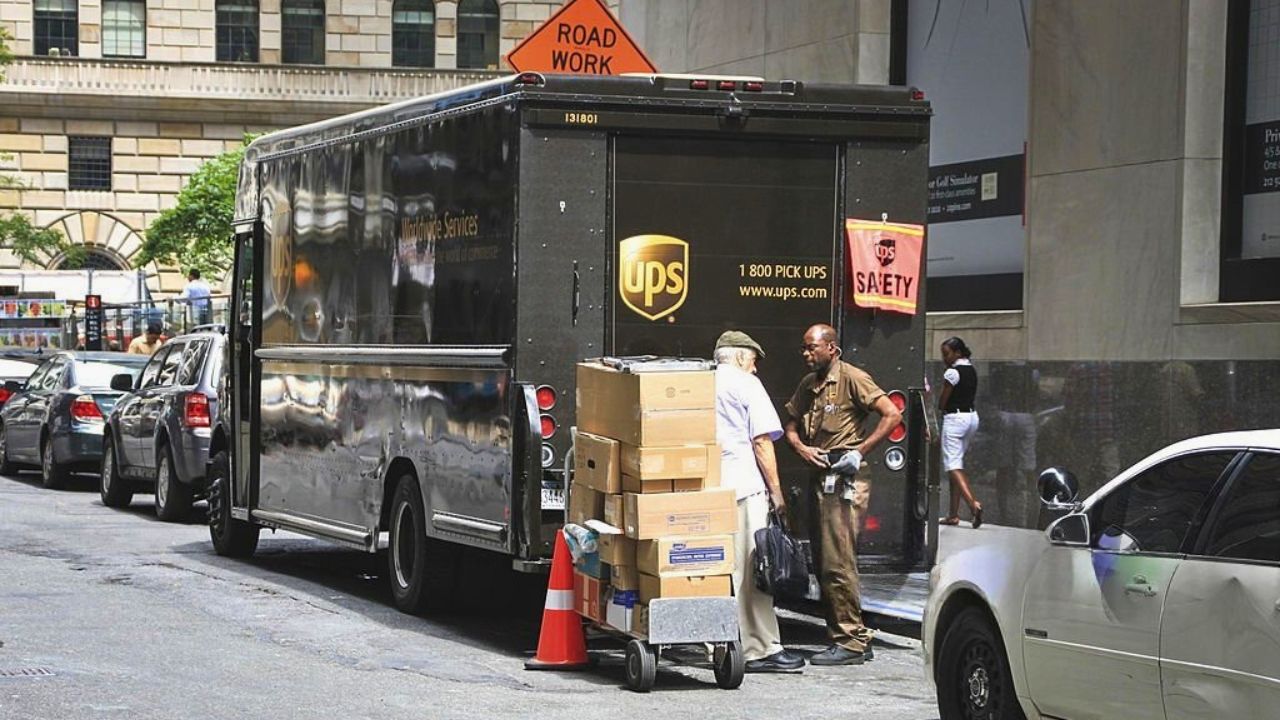
The user shared the warning in a post on r/Scams, explaining that the driver was on a normal route when a man approached the UPS truck and asked if there was a package for a specific residential address. The driver checked and did have a package for that address.
That alone could have seemed harmless. People sometimes see a delivery truck near their home and ask if the driver has something for them. But this situation had several details that made the driver suspicious.
According to the post, the driver asked for identification, as required by protocol. The man produced a license, but the driver thought it looked fake because it appeared to have no watermark. The driver also noticed that the package was a Verizon phone addressed to a name that did not seem to match the man standing in front of the truck.
The driver refused to hand over the package on the street.
Instead, they told the man they had to deliver it to the actual address. That is when the man allegedly started pressing. He paused, asked the driver to call a supervisor, and wanted to know what time the driver would be around. The driver avoided answering those questions and continued to the delivery address.
When the driver reached the home, a woman answered the door. The driver warned her that, next time she ordered a phone, she may want to have it shipped to a store for pickup instead. The driver also confirmed that the woman did have a husband, but that her husband did not match the description of the man who had tried to stop the truck.
Afterward, the driver called a supervisor. According to the post, the supervisor said a similar thing had recently happened to another driver and believed it was tied to a phone-delivery scam. The poster described it as possibly involving someone with access to tracking information, fake IDs, and knowledge of new phone shipments.
That is what made the post feel bigger than one suspicious man near a delivery truck. The concern was that scammers may be tracking high-value phone deliveries, approaching drivers before the package reaches the home, and trying to intercept the phone with fake identification before the real customer ever gets it.
The scheme is unsettling because it uses the delivery process itself. If the driver hands over the package, the tracking may still show the item as delivered. The customer may then be stuck trying to prove they never received a phone that the carrier believes was handed off.
That can turn into a nightmare for the customer. The phone company may say the package was delivered. The carrier may say the driver followed a handoff process. The customer may have no phone, a bill, and little proof unless they have cameras or the driver notices something wrong in real time.
In this case, the driver’s suspicion appears to have stopped the package from being intercepted. But the poster said the incident was worth sharing because it showed how organized and specific this kind of scam can be.
Commenters quickly focused on the delivery handoff. Several people said drivers should never hand high-value packages to someone who approaches a truck on the street, even if that person knows the address or tracking details. The safer option is to deliver to the address or require store pickup.
Others said the story sounded like an attempted theft or fraud attempt, especially because the man allegedly knew enough to ask for a package tied to a specific address. Commenters said that kind of information could come from compromised emails, stolen account access, leaked tracking numbers, or someone connected to the order chain. Some pushed back on the idea that it had to be an internal Verizon issue, saying there could be multiple ways scammers get tracking information.
Several people shared similar experiences. One commenter said a phone delivery had been intercepted in front of their home when a random person approached a driver, signed the customer’s name, and walked away with the phone. That commenter said security camera footage was later sent to Verizon, the carrier, and police.
Others said phone deliveries should require stronger safeguards, including store pickup, stricter ID verification, or better signature controls. Some commenters pointed out that a signature requirement does not help much if a driver accepts a fake ID or lets someone sign before reaching the actual door.
There was also discussion about what victims should do if a phone is intercepted. Commenters suggested contacting the phone company quickly, asking that the device be blocked by IMEI, filing a police report, preserving home security footage, and disputing charges if the company tried to hold the customer responsible.
The post did not end with the man identified or arrested. It ended with the driver refusing to hand over the package, delivering it to the correct home, and warning the resident that store pickup might be safer for future phone orders.
That is what made the story useful as a warning. The scam did not succeed because the driver noticed the mismatched details and refused to be rushed. But if the driver had been less cautious, the customer might have been left trying to prove a phone they never touched had been stolen before it reached the door.
Commenters did not treat the incident like a harmless mix-up. They saw it as a reminder that expensive deliveries, especially phones, can attract people who know exactly when and where to intercept them.
The practical advice was simple: do not accept a phone package from someone who appears before the delivery reaches the address, use store pickup when possible, keep cameras on delivery areas, and report suspicious package-interception attempts quickly.
Because when someone knows a Verizon phone is on a UPS truck before it reaches the house, the package may not be the only thing they are tracking.

Abbie Clark is the founder and editor of Now Rundown, covering the stories that hit households first—health, politics, insurance, home costs, scams, and the fine print people often learn too late.