
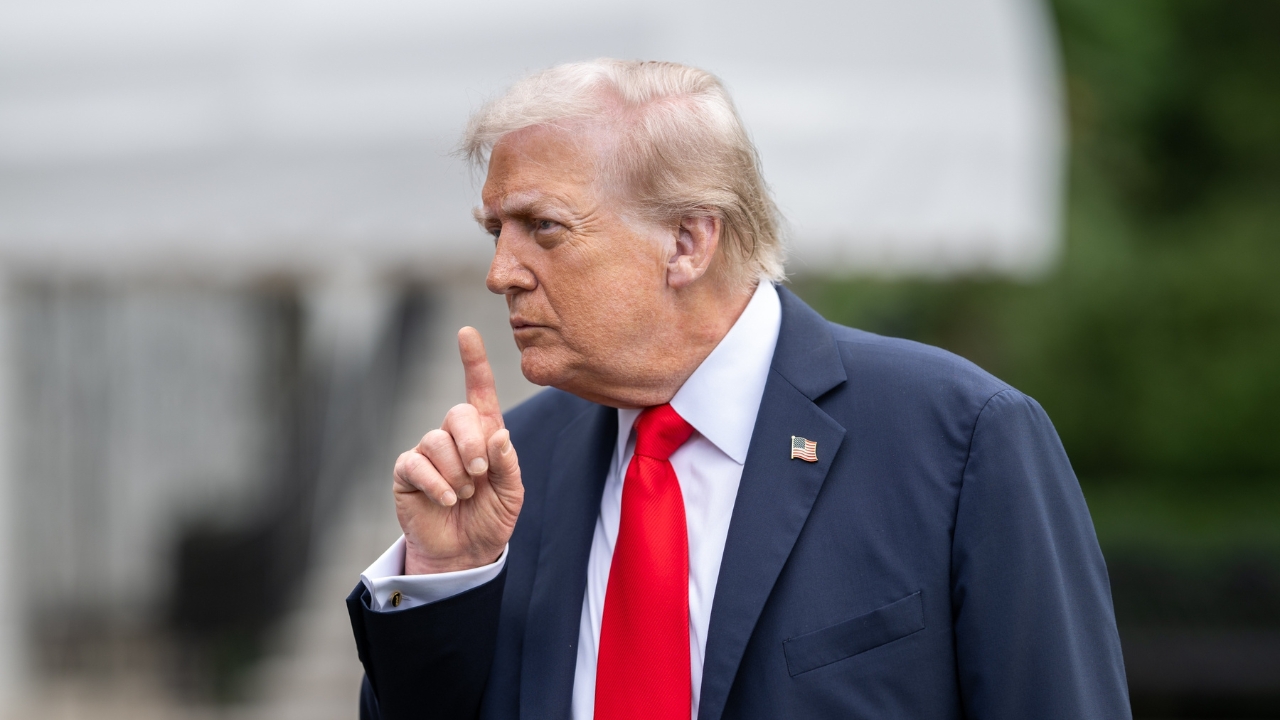
“Trump is spending $1 BILLION A DAY bombing Iran while Republicans in Congress cut health care at home.”
Photo credit: Kaua209/Shutterstock.com
WASHINGTON — Sen. Elizabeth Warren on Wednesday accused President Donald Trump of pouring wartime money into the U.S. bombing campaign against Iran while Republicans in Congress continue pursuing deep health care cuts at home. Her post tied together two separate fights now colliding in Washington: the mounting cost of the Iran war and the political fallout from Republican-backed reductions to Medicaid and other health programs.
On the war-cost side, Warren’s “$1 billion a day” figure appears to be a political shorthand rather than an official daily accounting. Reuters reported Tuesday that the Trump administration told congressional committees in a classified report that the first two days of the Iran war cost $5.6 billion in munitions alone. That works out to about $2.8 billion per day for that initial stretch, although Reuters also noted the administration has not publicly released a full cost assessment of the wider conflict. In that sense, Warren’s number is not the published Pentagon total, but it is in line with the broader argument that the campaign is already costing billions.
The military campaign has also become a growing domestic political problem because of rising energy prices. Reuters reported that gas prices have surged nearly 60 cents a gallon since the conflict escalated, pushing the national average to about $3.54 a gallon and creating fresh anxiety for Republicans heading into the midterms. That broader affordability backdrop helps explain why Democrats such as Warren are connecting war spending abroad to kitchen-table costs at home.
Her second claim — that Republicans are cutting health care at home — refers to the GOP’s push to reduce federal health spending, especially through Medicaid. AP reported that House Republicans advanced legislation designed to generate hundreds of billions in savings, much of it through health policy changes, and a preliminary Congressional Budget Office estimate said the package would reduce the number of insured Americans by 8.6 million over a decade. Republicans have argued the changes are aimed at rooting out waste, fraud and abuse, while Democrats say the practical result will be fewer people covered and more strain on hospitals.
Those concerns have been especially sharp in rural America. Reuters reported that hospitals warned proposed Medicaid cuts in Trump’s tax-and-spending package could devastate rural health services, with providers saying they may have to reduce care or close entirely if the changes take effect. Reuters also cited a CBO estimate that the bill would leave 10.9 million more people without insurance, underscoring why Democrats are framing the issue as a direct hit to health care access rather than an abstract budget fight.
Warren’s post also came as Congress continued backing Trump’s Iran campaign. Reuters reported last week that the House rejected a war powers resolution that would have required Trump to obtain congressional authorization for continued military action against Iran, a sign that most House Republicans were still standing with the president even as Democrats pressed for more accountability on the war’s costs and objectives.
So the cleanest read on Warren’s post is this: she is making a political contrast, not offering a formal budget table. The war is costing billions, though the administration has not published a complete daily total, and Republicans are pursuing major health care spending cuts that outside analysts say could leave millions uninsured. Her wording is campaign-style, but it is rooted in two real and increasingly connected debates in Washington — how much the Iran war is costing, and who pays the price for spending cuts at home.


