The winter storm supply list stores are selling out of again
Photo credit: cottonbro studio/Pexels.com
Every time a major winter system shows up in the forecast, the same shelves empty first. From bottled water to sleds, you can almost predict what will vanish as shoppers race to prepare for power outages, icy roads, and days stuck at home. Knowing that pattern lets you build a smarter winter storm supply list before the rush hits.
Instead of joining the last minute scramble, you can use what stores keep selling out of as a blueprint for what actually matters. The goal is not to hoard, but to stock the essentials that keep you safe, fed, warm, and connected when the snow piles up and the lights go out.
Why the same shelves empty first when snow is in the forecast
When a big winter system is on the way, behavior in the aisles becomes almost as predictable as the temperature drop. Shoppers crowd into big box stores and supermarkets, filling carts with whatever they think will get them through a few days at home. In one report from Jan, customers described a trip to Walmart as a “nightmare” as people rushed to stock up ahead of a looming storm, a scene that repeats across the country whenever snow is in the forecast. The psychology is simple: you see other people loading up, you worry about shortages, and you grab more than you planned.
That feedback loop is why the same categories disappear first. In GLYNDON, Md., shoppers watched grocery store shelves go bare as a snowstorm collided with supply chain strain, and store representative Hein urged people to “only buy what you need” so suppliers could keep shelves stocked for everyone who came later. That plea, captured in coverage of grocery store shelves emptying out, underlines a key point for you as a consumer: the more you plan ahead, the less you feel pressured to panic buy when the parking lot is already full and the bread aisle is half gone.
Food and water: the core of every winter storm supply list
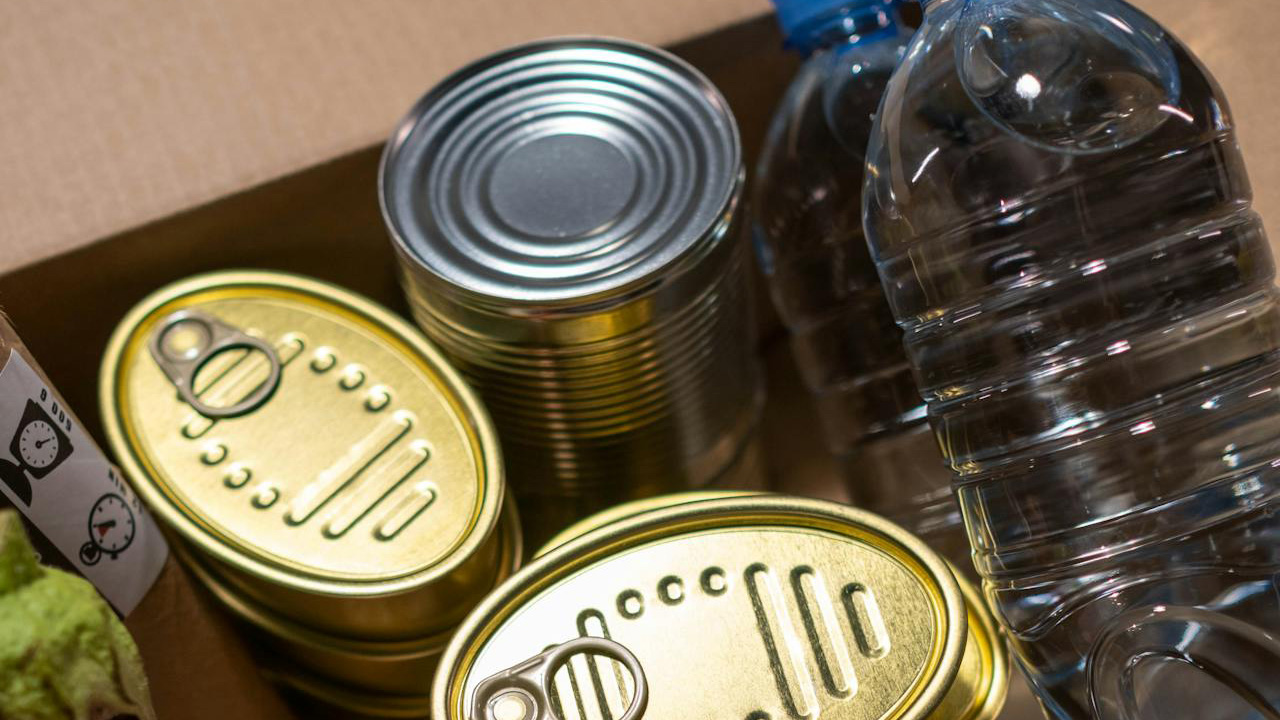
Food and water are always the first priorities, which is why they are also the first to vanish. Emergency planners consistently advise you to stock an emergency supply of food and water before winter weather hits, so you are not forced to venture out on icy roads or rely on deliveries that may be delayed. Guidance for Winter Weather Preparedness Week stresses that you should Stock enough nonperishable food and safe drinking water to stay in your home and call for help if needed, rather than risking travel during the worst of the storm.
Lists of winter storm essentials echo that advice with specific suggestions. One widely used checklist recommends Essential foods like Bottled water at a rate of at least one gallon per person per day for several days, along with Cann goods that you can eat without cooking if the power is out. To avoid the last minute crush, you can build this pantry gradually: add an extra flat of bottled water, a few cans of soup, beans, and vegetables, and some shelf stable milk or plant based alternatives every time you shop in the fall, then rotate through them so nothing goes to waste.
Nonperishable snacks and comfort foods that disappear fast
Once the basics are gone, the next wave of shortages hits the snack aisle. When you know you might be stuck inside for days, you reach for foods that are easy, comforting, and do not require refrigeration. A practical guide to storm shopping points to items like Dried fruit and nuts, Granola bars or energy bars, Pretzels, chips, pre popped popcorn, Crackers and cookies, and Jerky as some of the most useful and popular choices, all of which were highlighted in advice on Dried pantry friendly snacks. These foods keep well, can be eaten straight from the package, and provide quick calories if you are juggling kids, pets, and power outages.
Because they are familiar and shelf stable, these snacks are often the first comfort items to sell out when a storm is announced. You can avoid that scramble by treating them like part of your emergency kit rather than a last minute treat. Keep a dedicated bin of nonperishable snacks that you refresh a few times a year, pulling from it for road trips or busy weeks and then restocking. That way, when everyone else is clearing out the crackers and chips, you already have what you need at home and can focus your shopping on any true gaps in your storm supplies.
Heat, light, and power: the hardware aisle crunch
As soon as forecasters start talking about ice and heavy snow, the hardware aisle becomes the next pressure point. In one mid state community, a manager described how the hardware store was nearly out of all things winter weather by Sunday evening, after shoppers spent the weekend grabbing heaters, ice melt, and shovels. Houser, who had bought a big inventory of winter gear ahead of the season, still watched supplies vanish as people prepared, a pattern documented when Houser urged drivers to use caution on all roadways. Similar scenes played out in Charlotte, where Jan coverage showed Hardware stores seeing a rush for winter weather supplies as customers tried to grab the last of the ice melt and snow tools in the region around Charlotte.
Preparedness experts argue that you should not wait for that rush to test or buy backup heating and lighting. A winter checklist framed around the question What Are the Most Important Winter Prep Tasks puts “Test Your Backup Heating Systems Now” at the top, noting that Many people own generators or space heaters they have not turned on since last year. The same guidance recommends placing flashlights in every bedroom and making sure you have fresh batteries before storms arrive, so you are not competing for the last flashlight on the shelf when the power company is already warning of outages.
Electronics, radios, and staying connected when the grid goes down
Staying informed and reachable is just as critical as staying warm, which is why portable electronics and simple communication tools surge in popularity before a storm. Emergency planners urge you to Plan to Stay Connected by having a battery powered radio to use during a power outage, a step highlighted in guidance that tells you to Plan and Stay Connected with family and local alerts. That same advice applies to power banks for phones, extra charging cables, and car chargers, which often disappear from store displays as soon as the first flakes are mentioned on local news.
Because these items are small and relatively inexpensive, they are easy to overlook until you need them. A simple way to avoid the pre storm rush is to build a communications kit that lives with your other emergency supplies. Include a compact AM/FM radio that runs on AA batteries, a fully charged power bank, and a printed list of key phone numbers in case your contacts are not accessible. When you hear that a storm is coming, you can top off the power bank and check the radio batteries instead of trying to find the last unit in a half empty electronics aisle.
Cars, gas, and the scramble at the pump
When snow and ice are in the forecast, your vehicle becomes both a potential lifeline and a liability. Preparedness experts warn that Your car might become your only warm shelter during an extended outage, which is why they urge you to focus on Winterize Your Vehicle and Fuel Storage as part of your seasonal checklist. Guidance from Dec on winter prep stresses that Winterize Your Vehicle and Fuel Storage so every drive is a safe one, including keeping the gas tank at least half full, checking antifreeze, and storing treated fuel safely for generators or snow blowers.
That advice lines up with what you see at gas stations whenever a major storm is predicted. Drivers line up to top off tanks and fill portable containers, and the most basic accessories, like ice scrapers and windshield washer fluid, sell out quickly. Preppers who track disaster patterns note that Gas is one of the first things to disappear in any emergency, alongside bread, tarps, flashlights, and batteries, a pattern discussed in a thread asking what are the 1st things to sell out in stores. You can sidestep that crunch by treating a half tank as empty in winter, keeping a small emergency kit in your trunk, and buying fuel containers and ice scrapers long before the first advisory hits your phone.
Medical kits, hygiene, and the quiet essentials
While shoppers fight over bread and batteries, quieter essentials like first aid and hygiene supplies can be just as important to your storm plan. If roads are slick or closed, a minor injury or illness can become a bigger problem simply because you cannot get to a clinic quickly. Winter survival guidance that focuses on ten key items emphasizes having a well stocked first aid kit with basics like bandages, scissors, gauze, and gloves, and it also reminds you that you can fill clean containers with water ahead of time to extend your supply, advice laid out in a list of winter storm preparedness essentials.
In practice, that means checking your medicine cabinet before the storm, not after. Make sure you have at least a week of any prescription medications, plus over the counter pain relievers, cold medicine, and basic wound care supplies. Add hygiene items like baby wipes, hand sanitizer, and trash bags, which help you manage without running water or regular trash pickup. These are not the products that make headlines when they sell out, but if you have ever run out of them mid storm, you know how quickly they move from “nice to have” to “non negotiable.”
Snow tools, sleds, and the seasonal gear that vanishes overnight
Some of the most visible shortages happen in the seasonal aisle, where practical tools and fun gear sit side by side. In one mountain town, Ace Hardware Biff Childs reported that “We have sold 500 of these plastic sleds since Wednesday,” as families rushed to get ready for a Winter storm in western North Carolina. That detail, captured in coverage of how Ace Hardware Biff Childs watched sleds and other supplies fly off shelves, shows how quickly both safety gear and simple winter fun can disappear once snow is guaranteed. At the same time, shovels, ice melt, and roof rakes often sell out in a single weekend, leaving latecomers to improvise with whatever they can find.
Hardware stores in Charlotte saw a similar rush as Jan coverage showed Stores packed with customers grabbing last minute winter weather supplies, with Hardware locations around Charlotte struggling to keep up with demand. Another report from Feb showed how bad road conditions became as people drove several blocks just to reach a hardware store that was already picked over, with one shopper describing how it “took forever to get down” the street to a location featured in footage of hardware stores selling out of essentials ahead of a winter storm. If you live in a snowy climate, the lesson is clear: buy your shovels, ice melt, and even sleds early in the season, and store them where you can reach them quickly when the first flakes start to fall.
How to beat the rush and build a smarter winter storm kit
By the time local news is showing live shots from crowded parking lots, you are already behind. In one Jan report, shoppers were stocking up on groceries and supplies ahead of a Friday winter storm just days after a previous system had already strained inventories, leaving many stores scrambling to restock shelves as the surge in demand hit again. That pattern, described in coverage of shoppers stocking up, shows why relying on last minute runs is risky: supply chains are still catching up from the last storm when the next one arrives.
Instead, you can treat winter prep as a slow, deliberate project that starts well before the first advisory. Use the Most Important Winter Prep Tasks outlined in Dec guidance to Test Your Backup Heating Systems Now, confirm that Many of your existing tools still work, and then fill in gaps over several weeks. Combine that with the advice to Stores see rush patterns and the reminder from Jan shoppers who described a trip to Walmart as chaotic, and you have a clear incentive to move early. If you build your kit around the items that always sell out first, from bottled water and canned food to flashlights, gas, and sleds, you can stay home when the aisles are packed and the roads are slick, confident that you already have what you need.

Abbie Clark is the founder and editor of Now Rundown, covering the stories that hit households first—health, politics, insurance, home costs, scams, and the fine print people often learn too late.