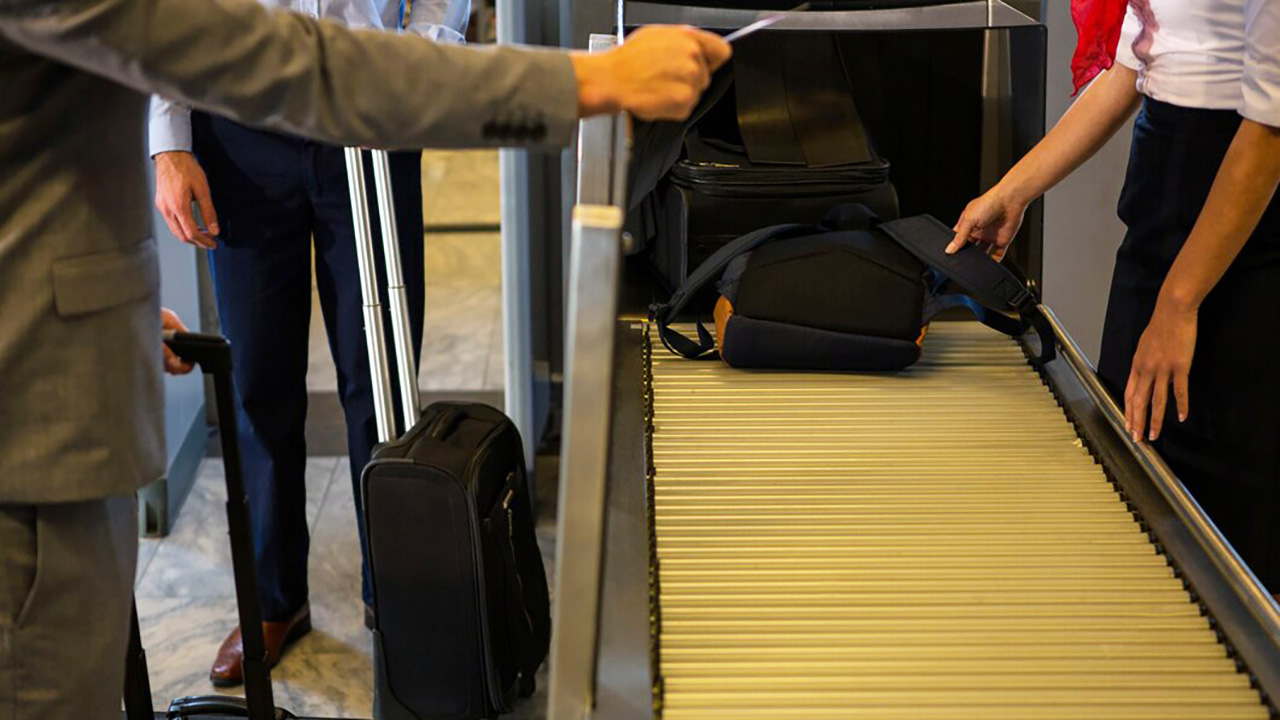
The baggage timing rule that makes claims harder
Photo credit: wavebreakmedia_micro/Freepik.com
Airlines have quietly turned baggage timing into a high‑stakes game that you are expected to play perfectly, even as the rules keep shifting. From strict check in cutoffs to narrow windows for filing claims, the clock often matters as much as the tag on your suitcase, and missing a deadline can be the difference between compensation and a shrug at the counter. Understanding how those timing rules work, and how they interact with new refund protections, is now essential if you want a fair shot when your bags go missing or arrive late.
The quiet rise of baggage timing rules
Checked luggage used to feel like a basic service, but airlines have turned it into a tightly managed revenue product with precise timing baked into every step. You are told when you can drop a bag, when you can no longer check one, how long delivery should take, and how quickly you must complain if something goes wrong. Those time limits are not just operational preferences, they are often written into the conditions of carriage that govern whether you qualify for miles, vouchers, or even a refund of the fee you paid.
The financial stakes help explain why the clock matters so much. Checked bags generated almost $33 billion in revenue for U.S. carriers in a recent year, according to loyalty program analysis, which gives airlines a strong incentive to manage costs around mishandled luggage. At the same time, new federal rules now require cash refunds when flights are canceled or significantly changed, including a return of any baggage fees you paid, which raises the pressure on carriers to define exactly when a bag is considered late or lost. That combination of big money and new consumer protections has pushed airlines to lean harder on timing rules that can narrow your path to a successful claim.
Check in too late, lose your leverage
The first timing trap appears before you ever reach security, in the form of strict cutoffs for checked bags. If you arrive at the counter a few minutes past the deadline, your suitcase may be rejected entirely, or accepted only on a standby basis that weakens your position if it does not arrive with you. Travelers on American Airlines, for example, are told to complete check in and baggage drop well before departure, with the carrier publishing specific minimum times for domestic and international flights on its check in and arrival page. Those cutoffs are framed as operational necessities, but they also give the airline a clear argument if you later complain about a delayed or missing bag that was accepted late as an exception.
Other carriers have tightened their rules in similar ways. Reporting on Delta shows that the airline introduced a new policy requiring checked bags to be accepted earlier, with coverage citing a change that pushed domestic cutoffs to a longer interval before departure at most airports, according to the Minneapolis and Paul Business Journal. Travelers discussing the change in online forums describe being turned away when they tried to check a bag 39 minutes before departure, with one thread noting that, With the new check in policy, checked bags now have to be processed 45 minutes before departure at most domestic airports. If your bag is accepted outside those rules, the airline can later argue that any delay or misrouting stems from your late arrival, which complicates efforts to claim compensation.
The 45 minute rule and other hard cutoffs
Behind the counter, baggage systems are programmed around hard stop times that can feel arbitrary when you are rushing through the terminal. On American Airlines, travelers have described a so called 45 minute rule in which the system simply stops accepting new bags for a flight at a set interval before departure. In one Comments Section, a user identified as CPNZ explained that the system rejects bags once that 45 m threshold passes, which means an agent may not be able to override the cutoff even if you are standing at the counter. If your bag is tagged manually or routed through a different process after that point, the airline can later point to the missed system deadline as a reason it did not travel as planned.
Other major carriers use similar automation to control when bags enter the system. Coverage of baggage cutoffs for the five largest U.S. airlines notes that each carrier sets its own minimum times, but the pattern is consistent, with domestic flights often requiring checked bags at least 40 to 45 minutes before departure and international flights demanding even more lead time, as summarized in a Critical guide to baggage deadlines. If you miss those windows, you may still be allowed to board, but your luggage could be left behind or rerouted, and the airline can argue that you did not meet its published requirements. That timing gap becomes important later if you try to claim that the carrier mishandled your bag, because the company can point to its own rules and say the risk shifted to you once you missed the cutoff.
The four hour wall on early bag drop
Timing rules do not only work against you when you are late, they can also limit your options when you are early. Many travelers assume that arriving hours ahead of departure guarantees a smooth baggage experience, but some airlines now refuse to accept checked bags more than four hours before a flight. United customers have described learning this the hard way, with one traveler posting that they were told at the counter that they could not check a bag sooner than four hours before departure, a surprise captured in a TIL thread. Another traveler later recounted being turned away until the four hour mark, with a Comments Section contributor named Imaginary-Eye4706 summarizing the policy as a simple rule that they do not accept checked bags more than four hours before departure, adding, “Yeah the” rule is enforced even when the lobby is quiet.
Those early drop limits can have real consequences if you are trying to build in a buffer for security lines or traveling with children or mobility issues. If you cannot hand over your luggage when you arrive, you may end up stuck in a check in queue closer to departure, which increases the risk of missing the later cutoff and losing leverage if your bag is delayed. The four hour wall also affects how long airlines are responsible for your luggage before a flight, narrowing the window in which they must store and track your bag. By compressing both the earliest and latest times you can check in, carriers effectively reduce the period during which they can be held accountable for mishandling, which again makes it harder to argue that a delay or loss is entirely on them.
When the 20 minute guarantees help you, and when they do not
Some airlines advertise fast baggage delivery as a perk, but the fine print shows how tightly those promises are tied to timing rules. Alaska Airlines, for example, promotes a 20 minute baggage guarantee that offers either bonus miles or a small travel credit if your checked bag does not reach the carousel within that window. The policy promises that if your luggage is not on the belt within 20 minutes of your flight’s arrival, you can request compensation, with one summary noting that Alaska Airlines offers 2,500 bonus miles or a dollar credit when you contact the airline at the baggage office or by phone, using numbers that include 888 and 498 in the contact details, according to a Dec overview. The catch is that you must make the request promptly, and the guarantee only applies when you meet all other check in and tagging requirements.
Delta has used a similar 20 minute bag guarantee as a loyalty hook, promising 2,500 miles if your luggage takes longer to reach the carousel on eligible flights. A viral explanation on social media clarified that the 20 minute clock starts when the aircraft door opens and ends when your bag is scanned onto the baggage claim belt, a detail that gives the airline a precise timestamp to decide whether you qualify, as described in a Jul video. Travelers in a frequent flyer Facebook group have debated whether Delta still honors the guarantee, with one commenter insisting that the airline dropped it a long time ago and another countering that they still claim the miles online and “do it all the time,” as seen in a discussion about long waits in Philly.
Even when the guarantee is active, you must navigate the timing rules correctly to benefit. The clock only starts once the aircraft door opens, not when you reach the carousel, and it stops when the bag is scanned onto the belt, not when you actually grab it. You also have to submit your claim within a set period, often online rather than with an airport agent, as frequent flyers discussing Delta’s policy have emphasized in a Feb thread. If you arrive late to check in, or if your bag was accepted outside the normal cutoff, the airline can argue that the guarantee does not apply. In practice, that means the timing rule that looks like a protection can still be used to deny compensation if you miss any of the underlying deadlines.
New federal refund rules, old airline clocks
While airlines have tightened their own timing rules, federal regulators have tried to expand your rights when things go wrong. Earlier this year, the administration finalized rules that require airlines to issue automatic cash refunds when flights are canceled or significantly changed, including when the carrier alters your arrival or departure airport or adds an unexpected connection. Those protections also cover ancillary fees, which means you are entitled to get back any baggage fees you paid if the flight is canceled or if a long delay meets the new standard, as explained in coverage of flight refunds. A separate report on new rules highlighted that travelers enduring long delays or lost baggage now have clearer rights to refunds, with one passenger calling the change “so exciting” and saying it felt rewarding to actually feel protected when traveling, according to Apr coverage.
Those federal rules sit on top of, not in place of, the airline timing policies that govern your day to day experience. The Department of Transportation can require a refund of your baggage fee when a flight is canceled or severely delayed, but it does not dictate how quickly a bag must reach the carousel or how long you have to file a lost luggage report. Airlines still control those internal clocks, and they can use them to argue that a bag is not yet “lost” or that you failed to report a problem within the required window. At the same time, the administration has proposed additional rules that would ban airlines from charging parents extra fees to sit with young children and has highlighted earlier efforts to crack down on so called junk fees, including those tied to travel, as described in a Earlier report. The result is a patchwork in which federal law strengthens your right to a refund in some scenarios, while airline timing rules still shape whether you can prove that your baggage problem qualifies.
How timing rules shape lost and delayed bag claims
When your suitcase does not appear on the carousel, the timing rules you encountered earlier in the journey suddenly become central to your claim. Airlines typically require you to report a missing bag within a short period after landing, often before you leave the airport, and they may treat delays differently depending on how long the bag takes to arrive. Travelers in one frequent flyer group described waiting more than an hour before realizing their bag was missing, with some noting that such waits are fairly standard at certain airports and that they only thought to check the airline’s baggage guarantee after a long delay, according to the Philly discussion.
Airlines also use timing to distinguish between a delayed bag and a lost one, which affects what you can claim. Under the new federal refund rules, a bag that is never delivered or is missing for an extended period can trigger a refund of your baggage fee, but the carrier may insist on a waiting period before declaring it lost, as described in coverage of lost baggage. If your bag eventually appears after that window, the airline may argue that it was only delayed and that you are not entitled to the same level of compensation for contents or incidental expenses. The earlier check in cutoffs and four hour drop limits then come back into play, because the carrier can point to any deviation from those rules as a reason to reduce or deny your claim, saying that your timing contributed to the problem.
Why airlines like tight clocks, and what that means for you
From the airline perspective, strict timing rules are a way to manage complex operations and protect a lucrative revenue stream. Baggage handling involves multiple handoffs between check in agents, ramp crews, and sorting systems, and carriers argue that they need firm cutoffs to ensure bags make it onto flights safely. The fact that checked bags brought in almost $33 billion for U.S. airlines, as highlighted in the Checked analysis, gives them a strong incentive to minimize mishandling costs and limit payouts for delays and losses. Timing rules help by narrowing the pool of cases in which the airline is clearly at fault and by creating procedural hurdles that some passengers will miss.
For you, those same rules can feel like a moving target that makes valid claims harder to pursue. If you arrive at the airport too early, you may be turned away and forced into a tighter window later. If you arrive too late, your bag may be rejected or tagged in a way that weakens your rights. Once you land, you must watch the clock again to see whether a 20 minute guarantee applies, whether you need to file a report before leaving the airport, and how long you must wait before a bag is considered lost under the new refund rules. Even when federal protections require airlines to refund baggage fees after cancellations or long delays, carriers can still lean on their internal clocks to argue about when a delay starts, how long it lasts, and whether you met your own obligations to report problems in time.
How to protect yourself against the timing trap
You cannot rewrite airline policies, but you can use the timing rules more strategically so they work for you instead of against you. Start by checking your carrier’s official guidance on check in and arrival times before every trip, including the specific baggage cutoffs for your departure airport, using resources like American’s check in and arrival page or similar tools from other airlines. Aim to arrive early enough that you are comfortably inside both the earliest and latest windows for bag drop, which reduces the risk that a late acceptance will be used to deny a claim. If you are flying an airline that enforces a four hour limit, plan your arrival so you are not stuck waiting in the lobby with your luggage when you could be clearing security.
Once you land, treat the baggage carousel like a clock as much as a conveyor belt. Note the time when the aircraft door opens and when the first bags appear, especially if your airline advertises a 20 minute guarantee like the one described for Alaska Airlines in the Dec overview or for Delta in the Jul explanation. If your bag does not appear, file a report with the baggage office before leaving the airport and keep a record of when you did so. In cases of severe delay or loss, be prepared to reference the new federal rules that require refunds of baggage fees when flights are canceled or significantly disrupted, as described in the Sep and Apr reports. By tracking the same clocks the airlines use, you give yourself the best chance to turn their timing rules from a barrier into a tool.