“She recruited girls for Epstein” Critics pile on Khanna’s SOTU guest choice and the fight gets ugly fast
Photo credit: Phil Pasquini/Shutterstock.com
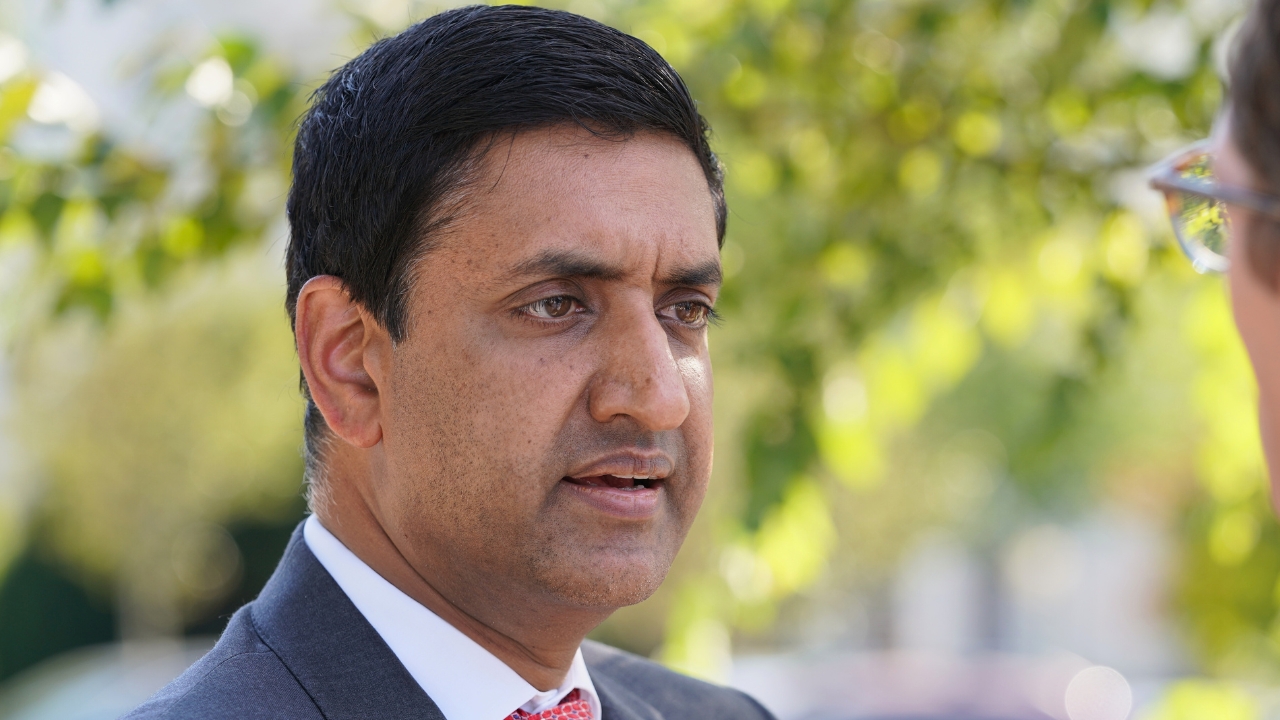
Rep. Ro Khanna says he’s bringing Haley Robson — a woman he describes as “a survivor of Epstein’s abuse” — as his guest to President Donald Trump’s State of the Union, and the announcement instantly set off a familiar online fight: who gets to speak for victims, who counts as a survivor, and what “justice” even looks like in the Epstein case.
Khanna’s announcement frames Robson as part of a broader push he’s been leading with Rep. Thomas Massie to force more transparency around Epstein-related records. In a statement about the invite, Khanna said Robson’s presence is meant to spotlight survivors and pressure Washington to release records and keep the issue from turning into a partisan food fight.
But the reaction online wasn’t just support. A wave of critics quickly claimed Robson shouldn’t be called a “survivor” at all — arguing she played a role in recruiting or facilitating Epstein’s abuse network. That pushback has circulated for years in different forms, and it flared again as soon as Khanna’s guest selection went public. (Those accusations vary widely in specifics, and many viral posts present them as settled fact without showing original documentation.)
What’s clearer from mainstream reporting is this: Robson has been publicly identified as an Epstein survivor who has pushed for transparency and accountability, including urging Congress to release records. The Guardian reported on survivors gathering in Washington to demand release of DOJ records and identified Robson among the survivors calling for disclosure.
People also reported that Robson has publicly broken with Trump and criticized his administration’s handling of the “Epstein files,” saying releases were delayed and heavily redacted. That reporting describes her as a survivor who met Epstein as a teen and later grappled with the guilt of bringing other girls into his orbit — a detail that often gets weaponized online in arguments about culpability versus victimization.
That’s the core tension behind the backlash: some people see Robson’s story as proof of how Epstein’s operation worked — grooming, coercion, manipulation, and recruitment — while others focus on any recruiting element and argue it disqualifies her from the label “survivor.” Those are moral and legal questions that often get blurred together online, where “survivor,” “witness,” “co-conspirator,” and “victim” get tossed around like they’re interchangeable.
Khanna’s move also lands in the middle of renewed national attention on Epstein-related records, and on the justice system’s long history of sealed filings, redactions, and protective orders tied to the case. Even recent high-profile legal developments involving Epstein’s associate Ghislaine Maxwell show how contested and complicated the record is — and how often it intersects with politics.
For now, the bottom line is simple: Khanna is using a high-visibility moment to elevate Epstein survivors and keep pressure on officials over records — and the internet is doing what it always does with Epstein discourse: turning a complicated, ugly case into a loud, personal, and often fact-light fight over who deserves sympathy and who deserves blame.