Power outage safety reminders as people reach for space heaters again
Photo credit: ArtMarie/istock.com
As temperatures drop and grids strain, the same devices that keep you comfortable can turn a winter power outage into a life‑threatening emergency. Space heaters, generators and improvised flames all carry hidden risks that grow when the lights go out and you are desperate to stay warm. With more people plugging in portable heaters again, it is worth slowing down long enough to reset your safety habits before the next blackout hits.
The goal is not to scare you away from using backup heat, but to help you use it with the same discipline firefighters and emergency managers wish they saw every winter. A few deliberate choices, from how you position a heater to where you run a generator, can be the difference between a cold inconvenience and a tragedy.
Why winter outages and space heaters are such a dangerous mix
When the power fails in freezing weather, you are suddenly juggling two urgent problems at once: keeping your family warm and keeping them alive. That is when shortcuts creep in, like dragging a space heater into a cramped bedroom or running a gasoline generator in the garage to power electric heaters. Fire officials warn that space heaters already account for a disproportionate share of home heating fires, and the risk spikes when people are tired, stressed and operating in the dark. Social media alerts on EXTREME COLD SAFETY REMINDER campaigns underline that space heaters are tied to about one‑third of home heating fires and an even larger share of heating fire deaths.
Local departments are already seeing the consequences. In Wausau, Wisconsin, officials highlighted recent blazes traced directly to portable units and urged residents to Close bedroom doors and not overload power strips when heaters are running. National consumer safety campaigns echo that message, stressing that working smoke and carbon monoxide alarms save lives and that you should never refuel a generator while it is in use, a point repeated in federal guidance that urges you to Install smoke and CO alarms on every level of your home.
Plan ahead before the lights go out
The safest way to ride out a winter outage is to treat it like any other emergency and plan before the storm hits. You should map out where you will shelter inside your home, how you will communicate if cell service falters and who you can call if you need to leave. Preparedness experts urge families to Create a written outage plan, Identify neighbors or relatives who can help and Keep key phone numbers on paper in case your devices die.
That planning should extend to your heating strategy. Decide in advance which room you will seal off as a warm zone, what blankets and layers you will stash there and which backup heat sources you actually know how to operate safely. Emergency managers in Oregon advise you to Layer clothing, Dress in multiple layers and Focu your efforts on one insulated space rather than trying to heat an entire house with portable devices. That kind of forethought reduces the temptation to improvise with unsafe equipment when the temperature plunges.
Use electric space heaters like a pro, not a gambler
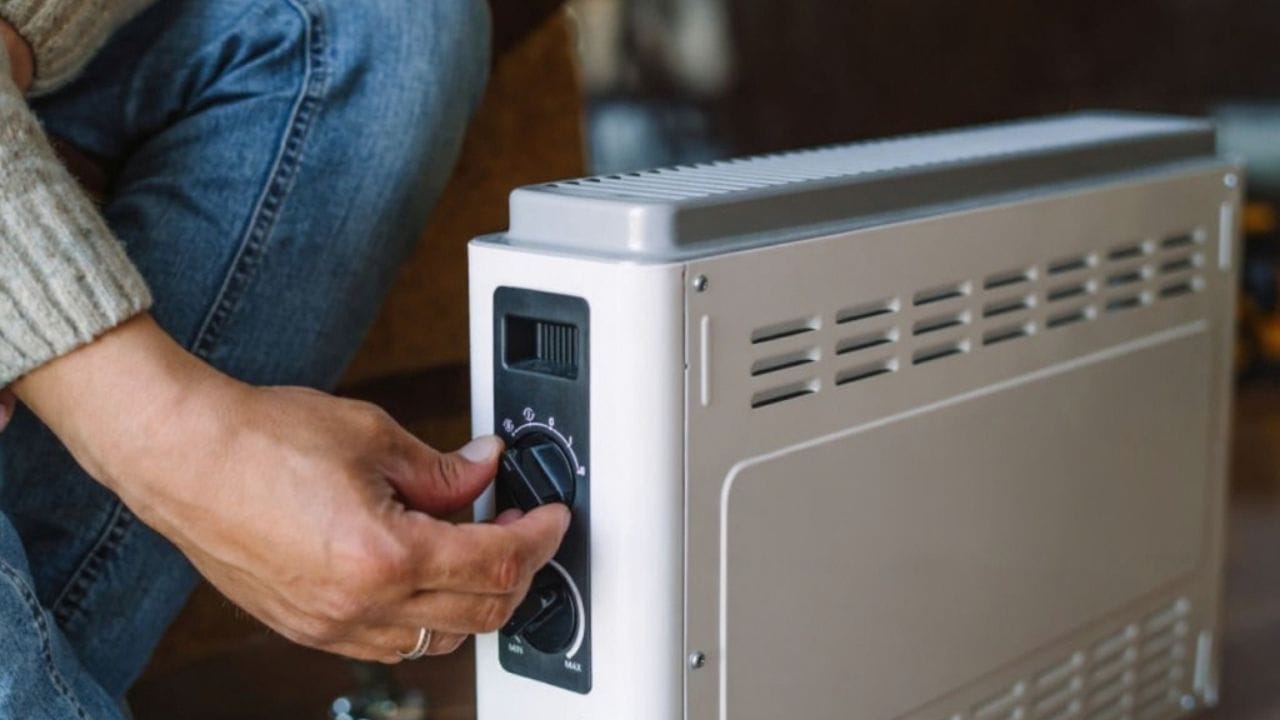
If you rely on electric space heaters, treat them like power tools, not background appliances. Fire safety checklists recommend that you Purchase models that carry a HEATER CHECKLIST seal from a qualified testing lab and Keep the unit at least 3 feet from anything that can burn, including bedding, curtains and furniture. You should also plug heaters directly into a wall outlet, never into an extension cord or power strip that can overheat under the load.
Before each season, inspect your equipment with the same care you would give a car before a long trip. Utility guidance stresses that you should look closely at the cord Before plugging in your heater and Ensure the cord is not frayed or damaged, then perform regular maintenance and keep vents clear of dust. Co‑ops that serve rural customers add simple rules that matter even more during outages: Don not Leave a heater unattended, Always turn it off when you go to bed and Place it on a flat, stable surface where it cannot tip over or overheat a rug.
Know when to skip the heater and trap the heat instead
Not every cold house needs an immediate blast of electric or fuel‑burning heat. Insulation tactics can buy you hours of relative comfort and reduce how hard your backup systems have to work. Heating specialists note that a typical home will cool gradually, and that you can slow the drop if you Close interior doors, Close windows and Close curtains to trap whatever warmth remains. That strategy is especially effective in newer, tighter homes where drafts are limited.
When the outage stretches on, it pays to shrink your footprint. Home‑improvement guides recommend that you How to Isolate and insulate one room by closing off unused spaces, hanging blankets over doorways and covering bare floors with rugs. Emergency managers in the Pacific Northwest echo that advice, urging families to sleep together in the same room, pile on layers and keep hats and gloves on indoors so the body heat you generate stays where you need it most.
Choose safer alternative heat sources during an outage
When you do need more than blankets, the safest options are those designed for indoor use and backed by clear safety instructions. Preparedness educators point to a range of devices, from catalytic propane heaters to wood stoves, that can supplement your furnace if you understand their limits. One detailed guide walks through Sep lists of 15 alternative heat sources, including thermal mass tricks and battery‑powered systems, that can keep a home habitable without overloading your wiring.
Fuel‑burning units demand extra caution. Extension specialists emphasize that Power Outage Preparedness advice on How to Safely Use Alternative Heating and Lighting Sources starts with choosing equipment that is vented properly and equipped with oxygen depletion sensors, then following the manufacturer’s clearances to the inch. Retailers that cater to rural and off‑grid customers note that Portable propane heaters are popular because they deliver quick heat and can be moved to cabins, barns or garages where electricity is unreliable, but they still must be used only in spaces with adequate ventilation and never while you sleep.
Respect generators and carbon monoxide like the silent killers they are
Every winter, families survive the cold only to succumb to fumes they never see or smell. Gasoline‑powered generators are a prime culprit, especially when they are run in attached garages, on covered porches or too close to windows. Energy safety guides warn that Most portable generators run on gasoline and Carbon monoxide can reach deadly levels quickly if the exhaust is not vented well away from living spaces. That is why safety officials insist on placing generators outdoors, far from doors and vents, and never inside basements or crawl spaces.
Improvised heaters can be just as dangerous. Family‑safety advocates point out that Unvented space heaters are a very common cause of household carbon monoxide poisoning, and that symptoms like headache, nausea and confusion can escalate to unconsciousness before anyone realizes what is happening. Public health campaigns in Friday winter alerts across South Africa have tied a string of deaths to unsafe heating practices and carbon monoxide poisoning, underscoring that the danger is global, not confined to any one country or climate.
Fire‑safe wiring and placement matter more during outages
When the power flickers back on, it is tempting to plug every heater, phone and appliance into the nearest strip and get back to normal. Fire marshals say that is exactly how overloaded circuits start to smolder behind walls. In New Orleans, city emergency guidance on ELECTRIC SPACE HEATERS urges residents to Plug units directly into wall sockets, Check the cord for fraying and keep heaters out of the reach of small children. Those rules become even more critical when you are running on generator power, where every watt counts and wiring may already be stressed.
National campaigns repeat the same core message in more detail. Safety videos on how to stay safe when using space heaters walk viewers through real‑world fire scenes where a single extension cord or misplaced unit turned a small bedroom into a total loss. Local departments, including the Wausau crews who responded to recent heater‑sparked fires, now stress that you should never daisy‑chain power strips, never run cords under rugs and always keep a three‑foot buffer of clear space around any portable heater, even if that means rearranging furniture in your outage “warm room.”
Support kids, older neighbors and anyone who needs extra help
Cold and darkness are stressful for adults, but they can be terrifying for children and disorienting for older adults or people with medical needs. That stress can lead to risky choices, like a teenager dragging a heater closer to a bed or an older neighbor lighting candles near curtains. Child‑focused safety guides urge parents to talk through outage plans in advance so kids know what to expect and to keep them away from ignition sources, especially since Unvented heaters and makeshift stoves can turn a game of “camping indoors” into a medical emergency.
Community networks can fill the gaps when someone cannot safely shelter in place. Emergency planners encourage you to check on neighbors who rely on electric medical devices or who live alone, and to know where local warming centers are located. The same infrastructure that provides cooling centers in heat waves can pivot in winter, and volunteer guides note that Many communities provide safe shelters and help you Find the nearest site through local hotlines or text services. If your own home is not safe to heat, getting to one of those facilities is far better than pushing a space heater or generator beyond its limits.
Balance comfort and caution when the next storm hits
Winter outages will keep coming, whether from ice‑laden lines, equipment failures or storms that outmatch local grids. The question is not whether you will reach for a space heater again, but how you will use it when you do. National preparedness briefings stress that There are plenty of ways to stay warm and Folks with fireplaces, furnaces and safe generators can keep going if they follow basic safety rules and know when to abandon a failing plan.
That balance starts with honest risk assessment. If your only options are a questionable kerosene heater, a gasoline generator you have never maintained and a stack of blankets, the safest choice may be to leave for a friend’s house or a public shelter before roads glaze over. The same emergency checklists that tell you how to stock flashlights and batteries also remind you to think through heating, ventilation and backup power long before the forecast turns ugly. If you treat your space heater as one tool in a broader safety plan, not a magic fix, you are far more likely to come through the next blackout cold but unharmed.

Abbie Clark is the founder and editor of Now Rundown, covering the stories that hit households first—health, politics, insurance, home costs, scams, and the fine print people often learn too late.