Patient Uses A Hospital Bathroom After A Medical Test, Then Gets Scolded For Flushing With Her Foot
Photo credit: Kadek Bonit Permadi/istock.com
A hospital patient said she was already tired, uncomfortable, and dealing with blurred vision after a medical test when a small bathroom decision turned into an unexpected confrontation.
The woman explained that she was at the hospital for testing related to chronic health issues. After the appointment, she needed to use the restroom before leaving. She was not feeling great at the time. Her eyes were blurry, she was exhausted, and she was trying to get through the rest of the visit without making things harder on herself.
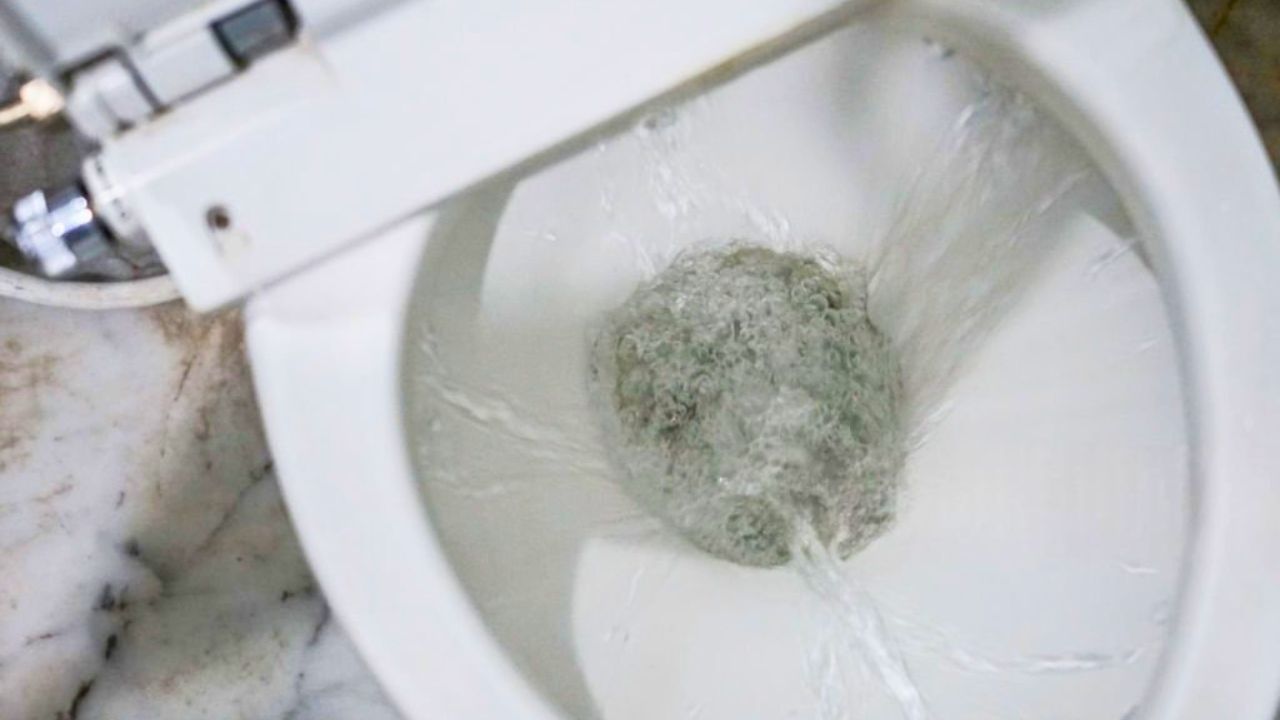
When she went into the bathroom, she used the toilet like normal. But when it came time to flush, she did not want to touch the handle with her hand.
So she used her foot.
That was the whole issue at first. A person in a public restroom chose not to touch a toilet handle by hand, especially in a medical setting where everything already feels a little more germ-heavy than usual.
But in the original Reddit post, the patient said someone noticed what she had done and confronted her over it.
The other person apparently thought flushing with a foot was rude or unsanitary because it put shoe germs on the handle. The patient, however, saw it differently. From her point of view, a hospital bathroom toilet handle was already not something she wanted to touch with her bare hand.
The disagreement quickly became one of those oddly specific public-restroom debates where both sides think the other person is being gross.
The patient did not seem to be trying to make a scene. She was not damaging anything, refusing to clean up after herself, or leaving a mess behind. She was simply avoiding direct contact with a toilet handle.
Still, the criticism left her wondering whether she had actually done something wrong.
Part of what made the situation feel strange was the setting. In a hospital, people are often more aware of germs than they would be anywhere else. Patients may be immunocompromised, sick, recovering, or simply cautious. Many people use paper towels to open doors, avoid touching surfaces directly, or wash their hands more intensely than usual.
For that reason, many readers understood why the patient avoided the handle.
Commenters were largely on her side.
Several people said they also flush public toilets with their foot and did not see anything unusual about it. Others said toilet handles are touched by countless people’s hands anyway, often before they wash them, so acting like the handle was clean before a shoe touched it felt unrealistic.
Some commenters did say they understood the other side. They pointed out that shoes track in dirt from everywhere, including streets, parking lots, and bathroom floors. To them, using a shoe on a handle could make the surface worse for the next person.
But many readers countered that this is exactly why people should wash their hands after using the restroom and avoid touching public bathroom surfaces when possible.
A few people said the bigger issue was not the foot-flush itself, but public bathrooms in general. They argued that the whole design is flawed. If a toilet handle requires people to choose between touching it with their hand or using their shoe, it is not surprising that plenty of people choose the shoe.
Others said hospitals should have touchless flush systems, foot pedals, or better restroom designs if they want patients to avoid these kinds of situations.
By the end, most commenters did not think the patient had committed some major restroom offense. They saw it as a normal, if slightly divisive, public-bathroom habit.
What made the story memorable was how small the original action was. A tired patient used her foot to flush a toilet after a medical test, and suddenly she found herself being judged over bathroom etiquette in a place where nearly everyone is already trying not to touch anything.

Abbie Clark is the founder and editor of Now Rundown, covering the stories that hit households first—health, politics, insurance, home costs, scams, and the fine print people often learn too late.