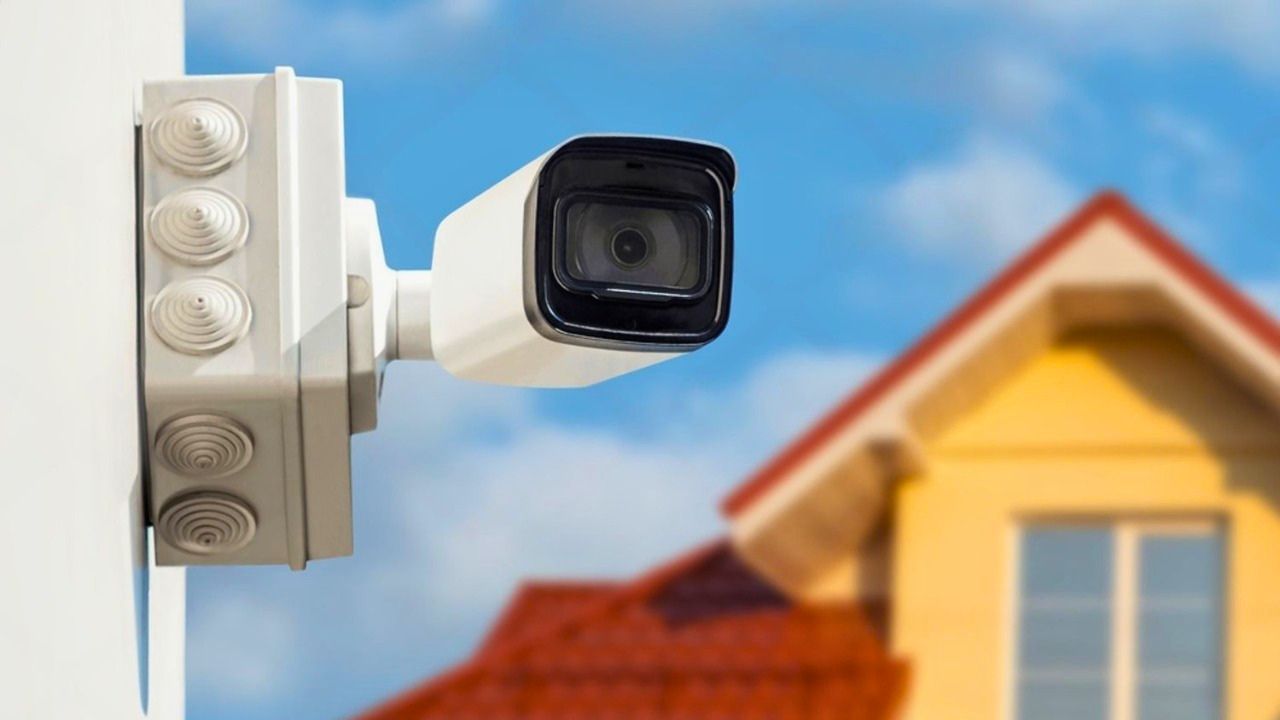
Neighbor’s Camera Keeps Shouting “Hi, You’re Being Recorded” All Night
Photo credit: Victor Prilepa/Shutterstock.com
A renter said a neighbor’s security camera turned into a nightly disturbance after it began loudly announcing “Hi, you’re being recorded” every time someone passed by.
The renter shared the situation in a post on r/legaladvice, explaining that the neighbor had a camera with an audio alert. Instead of quietly recording motion, the device loudly played a message when triggered. During the day, that might have been annoying. At night, it became harder to live with.
According to the renter, the camera’s voice alert was loud enough to be heard inside their home, and it happened repeatedly. The problem was not a single notification or a one-time setup issue. It was a recurring sound that interrupted the household and made the renter feel like the neighbor’s security system had become everyone else’s problem.
That is what made the situation tricky. Security cameras are common, and many people use them for legitimate reasons. They want to protect packages, cars, doors, and property. But when a device broadcasts a loud warning all night, the issue shifts from security into noise, privacy, and quality of life.
The phrase itself made the situation feel even more irritating: “Hi, you’re being recorded.” It was not music, barking, or construction noise. It was a repeated voice reminding people they were on camera every time the device activated. For someone trying to sleep, relax, or simply live in their own space, that can become maddening fast.
The renter wanted to know what they could do legally. Could they complain? Was it a noise violation? Did the neighbor have a right to run the camera that way? Was there a difference between a camera quietly recording and a camera loudly announcing itself over and over?
The post sat in a gray area because the neighbor may have believed the alert was a safety feature. Some cameras use audible warnings to scare away trespassers or package thieves. The problem is that those warnings can also be triggered by normal activity: residents walking by, cars moving, animals, wind, or people entering their own homes.
If the camera was placed in a shared area or pointed near a walkway, it could create constant alerts through no fault of the renter. That would mean the neighbor’s anti-theft feature was effectively creating a repeated noise problem for everyone around them.
The renter’s frustration seemed to come from the lack of control. They could not adjust the neighbor’s camera. They could not stop normal movement near the device. They could not make the voice alert quieter. Yet they were the one dealing with the sound.
That kind of issue can wear people down because it is small each time, but not small when repeated. One “Hi, you’re being recorded” may be easy to ignore. Hearing it again and again at night can make a person tense every time they hear footsteps, a car door, or motion outside.
The renter was trying to figure out whether the law offered any real remedy or whether they were stuck living with a camera that talked back all night.
Commenters generally said the strongest path was not to argue about the camera itself, but about the repeated noise.
Several people explained that neighbors are often allowed to have security cameras aimed at areas visible from their property or shared outdoor spaces. That does not mean every feature of the device is automatically acceptable. If the camera’s audio alert was loud enough to disturb others, especially at night, commenters said it might be treated like any other noise complaint.
The advice was to document the disturbance. Commenters suggested recording the sound from inside the renter’s home, noting the dates and times it happened, and keeping a log showing how often the alert went off. A single complaint that “the camera is annoying” might not get much attention. A log showing repeated nighttime alerts could be stronger.
Others suggested checking local noise ordinances. Many cities or apartment communities have quiet hours, and a loud electronic voice repeatedly triggering during those hours might violate those rules. If the renter lived in an apartment, commenters said property management could be the right first step. If it was a neighborhood, the city’s code enforcement or nonemergency line might be more relevant.
Several commenters recommended trying a calm written request before escalating, if it felt safe. The neighbor may not realize how loud the alert is inside nearby homes. A message saying the camera’s voice alert is waking people up and asking them to lower the volume or turn off the announcement might solve the issue without a bigger fight.
But commenters also warned the renter not to tamper with the camera or try to block it in a way that could create a new dispute. The safest approach was documentation, written communication, and official complaints if needed.
The privacy issue came up too, but commenters seemed to think the noise complaint was cleaner. A camera saying “you’re being recorded” may feel invasive, but privacy laws around outdoor cameras can be difficult. A loud device disturbing people at night is easier to explain.
The post did not end with the neighbor turning off the alert or management stepping in. It ended with the renter trying to decide how to respond before the nightly announcement became a permanent part of life.
That is what made the situation so frustrating. The camera may have been installed for security, but the renter was living with the side effects. A safety feature for one household had become a sleep problem for another.
Commenters did not tell the renter to go straight into a legal fight. They told them to build a record, check noise rules, talk to management or the city if needed, and focus on the repeated disturbance.
Because when a security camera starts shouting through the night, the question is not only whether the neighbor can record. It is whether everyone nearby has to listen to the camera announce it over and over.

Abbie Clark is the founder and editor of Now Rundown, covering the stories that hit households first—health, politics, insurance, home costs, scams, and the fine print people often learn too late.