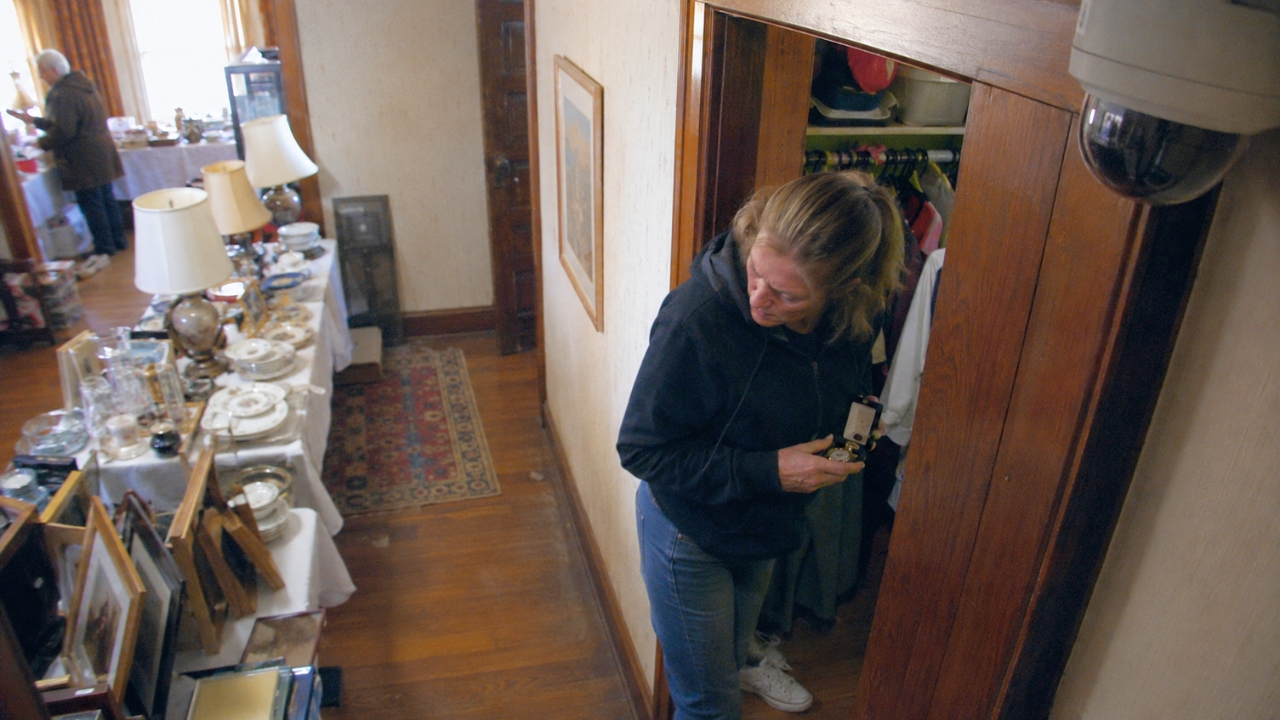
Estate Sale Company Was Told a Closet Was Off-Limits — Then Theft Was Caught on Camera
Photo credit: Fix It Homestead
A homeowner said an estate sale company was hired to help clear out property, but the arrangement turned into a legal problem after workers allegedly entered an off-limits closet and took items anyway.
The homeowner shared the situation in a post on r/legaladvice, explaining that the estate sale company had been brought in for a specific purpose. The company was supposed to handle certain items, but the homeowner said there were clear boundaries about what areas were not part of the sale.
One of those boundaries was a closet.
According to the homeowner, the closet had been marked or communicated as off-limits. The company allegedly did not have permission to go through it, remove things from it, or treat anything inside as available for sale. That should have made the matter simple: the closet was not part of the job.
But the homeowner said camera footage showed otherwise.
The post described the incident as burglary and theft caught on camera. That detail changed the situation from a disagreement about estate-sale procedures into something much more serious. If workers knowingly entered a restricted area and removed items, the homeowner was no longer dealing only with poor communication or a sloppy sale. They were dealing with a possible criminal matter and a business that had allegedly crossed a clear line inside someone’s property.
The camera footage became the key piece of the story. Without it, the homeowner might have been stuck in the usual back-and-forth that happens when property goes missing during a move, sale, cleanout, or estate process. The company could say it misunderstood. Workers could say the items were mixed in with sale goods. The homeowner could be accused of forgetting what had been included.
But video gives a homeowner something harder to dismiss. It can show who entered, when they entered, what they carried out, and whether the area was treated differently than the rest of the property.
That matters because estate sale situations already involve a lot of trust. A company may be allowed into a home during an emotionally loaded time, often when families are dealing with death, downsizing, illness, moving, or a major life transition. They may handle personal belongings, valuables, furniture, boxes, closets, documents, and items with sentimental value. If boundaries are ignored, the damage can feel personal even beyond the money.
The homeowner wanted to know what to do next. They were not simply asking whether the company had been unprofessional. They wanted to know whether police should be involved, whether the video was enough, and how to handle a company that allegedly took items from a place they had been told not to access.
There was also the issue of recovering property. Once items are removed during an estate sale process, they can disappear fast. They may be sold, moved to storage, mixed with other inventory, or claimed by someone else. If the homeowner waited too long, getting the items back could become harder.
That urgency made the footage even more important. The homeowner had evidence, but now they needed to decide how to use it without giving the company a chance to explain it away, move the property again, or claim the issue was a misunderstanding.
Commenters generally told the homeowner not to handle the situation only as a customer-service complaint.
Several people said the homeowner should file a police report and provide the footage. If the company was told the closet was off-limits and workers entered anyway, commenters said the homeowner had reason to treat the incident as theft or burglary rather than a contract dispute.
Others told the homeowner to preserve the video immediately. That meant saving the original file, backing it up somewhere secure, and keeping the full clip rather than only a short edited section. If the matter went to police, court, or insurance, the full context could matter.
Commenters also urged the homeowner to make a detailed list of what was taken. Item descriptions, estimated values, photos, receipts, appraisals, and any proof that the items were inside the closet before the company arrived could all help. A video of someone removing property is useful, but a clear inventory helps show what was lost and what it was worth.
Some people suggested sending a formal written demand to the estate sale company, but others warned that police should be contacted first if the homeowner believed a crime occurred. The concern was that notifying the company too casually might give workers time to move items, change their story, or claim everything had already been sold.
There was also advice to check the contract. Estate sale agreements often include terms about access, inventory, commissions, liability, dispute resolution, and what happens to unsold items. The contract could help show whether the closet had been excluded and whether the company violated written terms.
Several commenters said the homeowner might also have civil options if the items were not returned or if the value was significant. Depending on the amount involved, that could mean small claims court, a demand letter from an attorney, or a broader lawsuit. But the first step was still documentation.
The post did not end with the items recovered or the company held accountable. It ended in the tense period after the homeowner saw the footage and had to decide how far to push.
That is the hard part of a case like this. When a company is invited into a home, it can later argue that workers had permission to be there. The homeowner then has to prove the permission had limits. That is why the off-limits closet mattered so much. It was the boundary between authorized access and alleged wrongdoing.
Commenters did not tell the homeowner to argue with the company over the phone or wait for an apology. They told them to save the video, make an inventory, review the contract, file a police report, and keep all communication in writing.
Because when a company is trusted to handle an estate sale and then allegedly enters a restricted closet anyway, the issue is not only what was taken. It is whether the company ignored a clear boundary inside someone’s home — and whether the homeowner can prove it before the evidence or property disappears.

Abbie Clark is the founder and editor of Now Rundown, covering the stories that hit households first—health, politics, insurance, home costs, scams, and the fine print people often learn too late.