Neighbor Kept Coming Into the Driveway and Yard, Homeowner Says — Then Cameras Became the Only Proof
Photo credit: Pearl PhotoPix/Shutterstock.com
A homeowner said a neighbor’s daily trips onto their property had become a safety and trespassing concern, especially because the neighbor kept climbing onto a retaining wall to pick flowers.
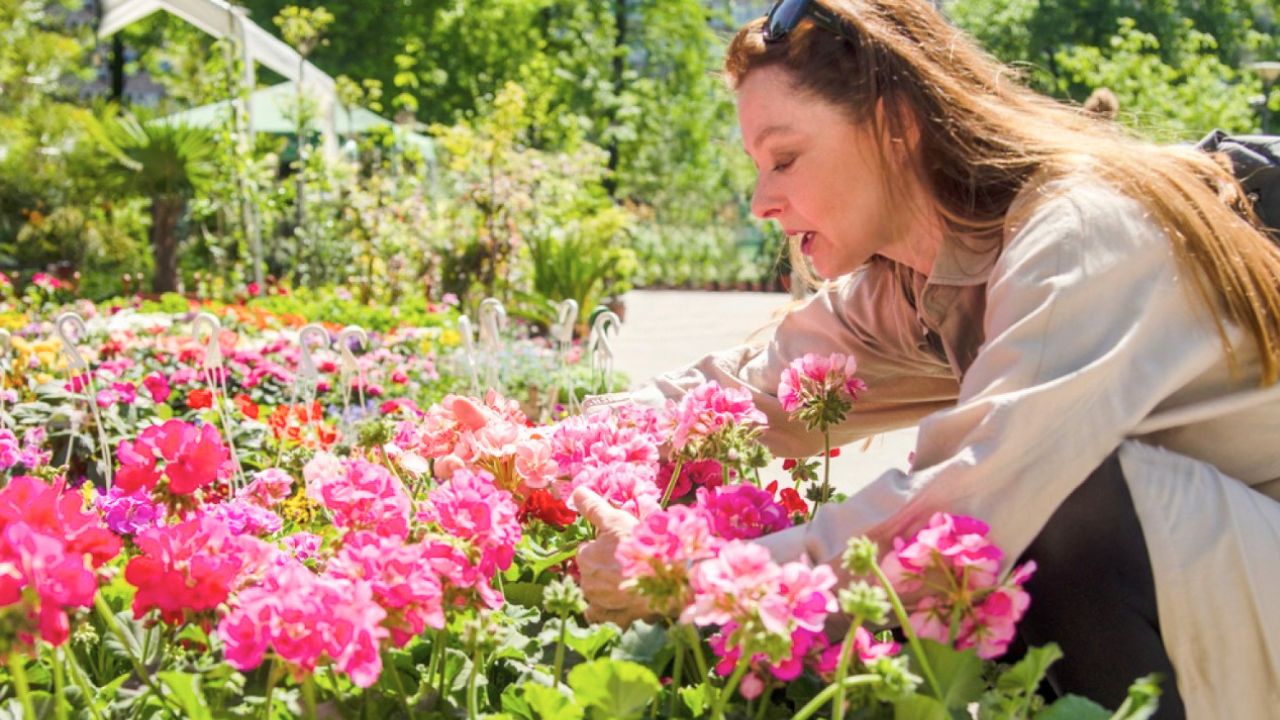
The homeowner shared the situation in a post on r/legaladvice, explaining that the neighbor regularly came into their driveway and yard to pick flowers from bushes. The homeowner said they did not really care about the flowers themselves. The bigger concern was where the neighbor stood while doing it.
According to the homeowner, the neighbor would climb onto a retaining wall that was about three feet high. She would walk around on the wall, move up and down the driveway, and stay on the property for roughly 15 minutes almost every day.
That turned a minor annoyance into something more serious. The homeowner was worried the neighbor would fall and get hurt, then somehow make it the homeowner’s problem.
That fear is not hard to understand. A person walking onto your property without permission is already frustrating. A person climbing around on a wall while doing it creates a new layer of concern. If the neighbor fell, got injured, or claimed the wall was unsafe, the homeowner could be pulled into a dispute they never wanted.
The homeowner had already asked the neighbor to leave. According to the post, she did not listen.
That left the homeowner unsure what else to do. They were not trying to start a fight over flowers. They were trying to stop someone from repeatedly walking onto their property and putting herself in a position where she might get hurt.
The homeowner also mentioned having security camera footage, which became important because the behavior was repeated and physical. Without footage, this kind of problem can be hard to explain. A homeowner may sound overly bothered by something small, like a neighbor picking flowers. But footage showing someone repeatedly climbing a retaining wall, walking through a driveway, and refusing to leave can make the concern much clearer.
The issue also showed how neighbor problems can become awkward when the behavior is not openly hostile. The neighbor was not described as breaking windows, making threats, or stealing expensive items. She was picking flowers. But the fact that she kept coming onto the property after being told to stop changed the situation.
The homeowner’s concern was practical: how do you make someone leave when being nice has not worked, but you also do not want the person injured on your land?
That is where the legal question came in. The homeowner wanted to know whether they should post signs, call police, use the footage, or take some other step to make it clear that the neighbor was no longer welcome on the property.
Commenters generally told the homeowner that the issue was trespassing, not just flower picking.
Several people recommended putting up clear no-trespassing signs. One commenter said that in their area, police had specifically told them that signage helped because it showed the homeowner did not want people on the property. Another commenter noted that some municipalities have specific wording or code references that can make a sign more enforceable.
Others told the homeowner to tell the neighbor clearly that she was not allowed on the property anymore. The message did not need to get into a long explanation about flowers or liability. It simply needed to make the boundary clear.
After that, commenters said the homeowner should call the nonemergency police line if she returned. If officers came while she was still there, they could tell her to leave and document the situation. If she kept returning after being warned, future calls would be easier to explain.
The camera footage came up repeatedly. Commenters told the homeowner to save clips showing the neighbor on the wall and in the driveway, especially if the footage also showed that she had been told to stop. A pattern would matter if the homeowner needed to show police that this was not a one-time misunderstanding.
Several people also warned against setting up anything that could cause the neighbor to fall. Suggestions like motion sprinklers or physical deterrents came up in the comments, but other commenters pushed back hard. Since the homeowner’s concern was that the neighbor might fall from the wall, anything designed to startle or knock her off balance could create exactly the injury problem the homeowner was trying to avoid.
That was a key point. The homeowner needed to stop the trespassing without creating a dangerous setup. Cameras, signs, written notice, and police reports were safer than trying to scare the neighbor away.
Some commenters said the homeowner should also document the condition of the retaining wall and property. If the neighbor later claimed she was hurt because of the property, the homeowner would have records showing the wall’s condition and proof that she had been told not to climb on it.
The post did not end with the neighbor being trespassed or police stepping in. It ended with the homeowner trying to figure out how to stop a repeated boundary violation before someone got hurt.
That is what made the situation more serious than it first sounded. The flowers were not the real issue. The issue was a neighbor repeatedly entering someone else’s property, climbing on a retaining wall, refusing to leave when asked, and creating a risk the homeowner did not invite.
Commenters did not tell the homeowner to keep being patient. They told them to make the boundary official: post signs, tell her clearly to stay off the property, save the camera footage, and call police if she returned.
Because once someone ignores a direct request to leave, the homeowner no longer needs to debate whether the flowers matter. The issue is that the neighbor has been told no and keeps coming back anyway.

Abbie Clark is the founder and editor of Now Rundown, covering the stories that hit households first—health, politics, insurance, home costs, scams, and the fine print people often learn too late.