Neighbor’s Workers Started Building a Fence on Their Property — While the Homeowner Was Still Watching It Happen
Photo credit: ND700/Shutterstock.com
A homeowner said a property-line dispute became urgent when the neighbor’s workers allegedly began building a fence on land the homeowner believed belonged to them.
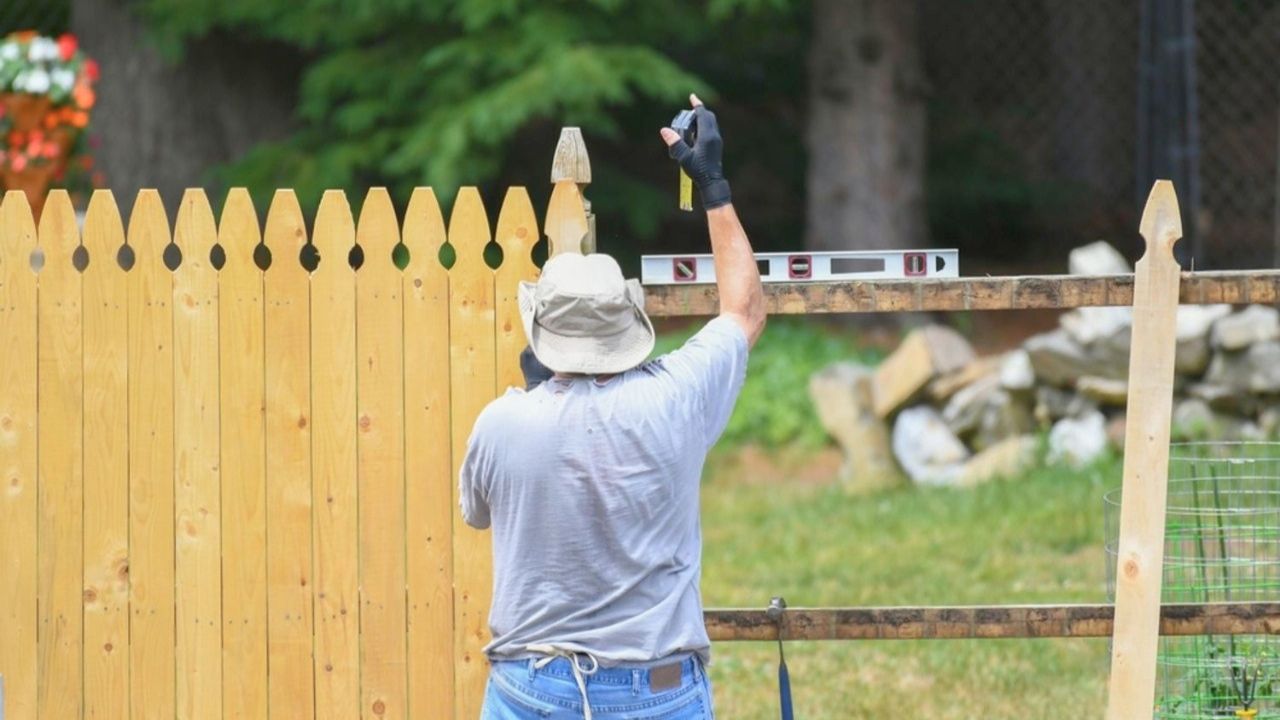
The homeowner shared the situation in a post on r/legaladvice, explaining that the work was happening in real time as they wrote. According to the post, the neighbor’s workers were actively building a fence, and the homeowner believed the fence was being placed on their property rather than on the neighbor’s side of the line.
That timing made the situation feel especially stressful. This was not a dispute discovered months later, after a fence had already been finished and landscaped around. The homeowner was watching the work happen and trying to figure out what they could do before the fence became a completed structure.
Property-line disputes can get expensive fast. A fence may look simple from the road, but if it is built in the wrong place, it can create a mess involving surveys, attorneys, contractors, permits, removal costs, and ongoing neighbor tension. Once posts are set and panels go up, it may be harder and more expensive to undo the mistake.
The homeowner wanted to know what to do immediately. Could they tell the workers to stop? Should they call police? Did they need a survey? Could they remove the fence if it was on their land? Should they contact a lawyer before the work continued?
Those questions matter because a homeowner may feel certain where the property line is, but certainty is not always enough. Property records, surveys, pins, plats, and local rules matter more than assumptions. Even neighbors who have lived side by side for years can be wrong about where one yard ends and the other begins.
At the same time, waiting can create its own problem. If the fence really was being built on the homeowner’s land, letting workers finish could make the dispute more difficult. The homeowner would then be dealing with an existing structure instead of stopping a possible encroachment before it was complete.
The post captured that tension clearly. The homeowner did not have the luxury of slowly researching the issue over a few weeks. The work was happening while they were trying to get advice.
The worker angle also made things complicated. The people physically building the fence may not have known anything about the property-line dispute. They may have simply been following the neighbor’s instructions or working from whatever markings they were given. Arguing with them directly might not solve the issue, but letting them keep building could make the homeowner feel like they were losing control of their own property.
That is what makes these disputes so difficult. The homeowner has to stay calm enough to avoid creating a new problem, but firm enough to protect the property before the neighbor’s project becomes a bigger legal fight.
Commenters focused heavily on proof. Several people told the homeowner that the first and most important question was whether they had a current survey showing the actual property line.
A fence dispute cannot be won with a feeling, even a strong one. Commenters said the homeowner needed a survey, property markers, or some other reliable documentation showing where the boundary actually was. If they already had a survey, they needed to compare the fence location to that document. If they did not, they may need to hire a surveyor quickly.
Others said the homeowner should take photos and videos immediately. That included the workers, the fence line, any stakes or markers, the location of posts, and how the work related to existing landmarks. If the dispute later went to court or required a demand letter, the homeowner would need evidence of what was built and when.
Some commenters suggested telling the workers and neighbor, calmly and clearly, that the homeowner disputed the fence location and believed it was being built on their property. That notice could matter later because it showed the homeowner objected before the work was completed.
Police came up too, but commenters were cautious. A property-line dispute may be treated as a civil issue unless someone is trespassing after being told to leave, damaging property, or refusing a lawful order. Still, if workers were physically on the homeowner’s land and would not leave, calling the nonemergency line might create a record.
Several people suggested contacting a real estate attorney if the fence continued or if the neighbor refused to stop. A lawyer could send a demand letter, advise on local rules, and help prevent the issue from turning into a long-term encroachment problem.
Commenters also warned against tearing down the fence without legal advice. Even if the homeowner believed the fence was on their property, removing it could escalate the conflict and potentially create liability if the boundary was not fully proven.
The post did not end with a survey result or a completed legal resolution. It ended in the middle of the action, with the homeowner trying to stop a fence from being built in the wrong place before the mistake became permanent.
That is what made the situation so tense. A property-line dispute is bad enough after the fact. Watching workers install a fence while you believe they are standing on your land adds urgency to every decision.
Commenters did not tell the homeowner to panic or start pulling posts. They told them to document everything, object clearly, confirm the boundary with a survey, and get legal help if the neighbor kept pushing.
Because when a neighbor’s fence starts going up on land you believe is yours, the worst move is guessing. The best move is proof, a paper trail, and fast action before the fence turns into a long-term fight.

Abbie Clark is the founder and editor of Now Rundown, covering the stories that hit households first—health, politics, insurance, home costs, scams, and the fine print people often learn too late.