Neighbor Caught on Camera Keying Rental Car — Then Police Told the Victim Not to Press Charges
Photo credit: Julia Cherk/Shutterstock.com
A Washington state resident said they caught their neighbor on camera scratching a rental car parked outside their home, but the situation grew more complicated after police allegedly discouraged them from pressing charges.
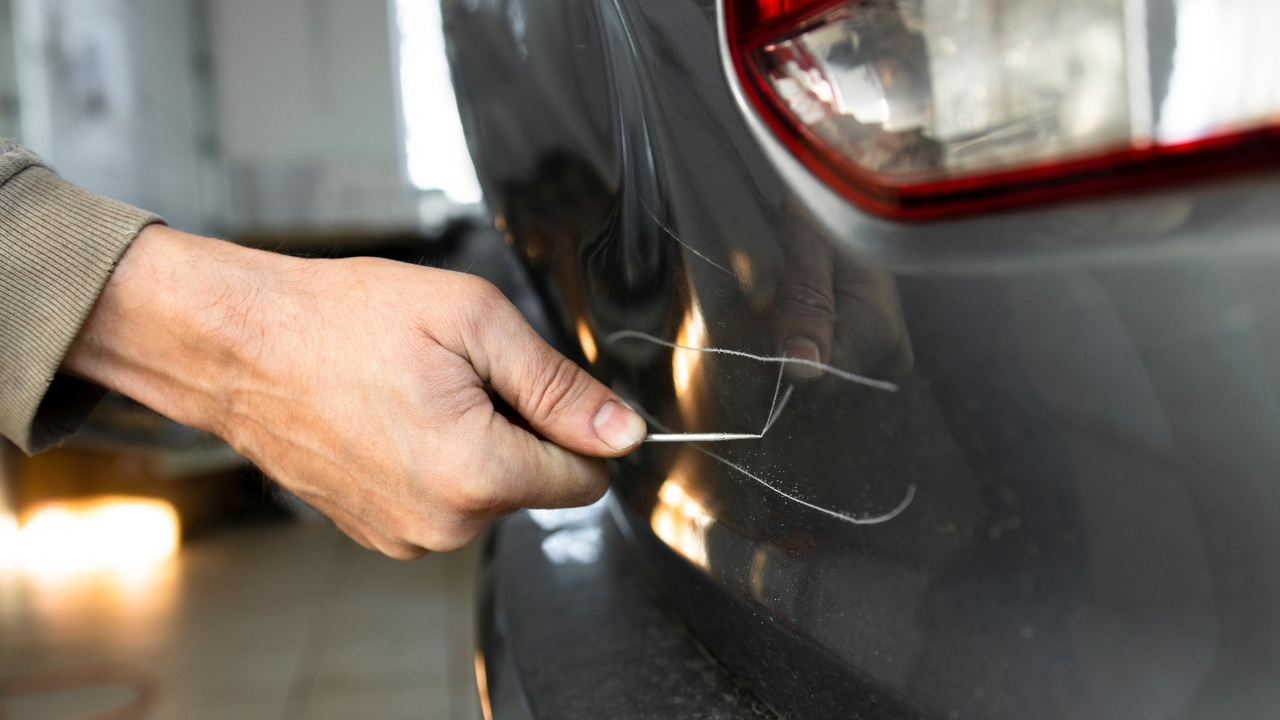
The resident shared the story in a post on r/legaladvice, explaining that the neighbor, who they called “Peter,” was recorded scratching the rental car while it was parked on the street in front of the resident’s house. The car was not their personal vehicle. It was a rental, and that made the whole situation messier from the start.
According to the post, the rental was only covered by a credit-card collision waiver. The resident said that coverage may no longer apply because they kept the car longer than planned while trying to sort out what had happened. Instead of a simple damage claim, they were now looking at a rental company, a possible repair bill, police involvement, and a neighbor who had allegedly caused problems before.
The resident said this was not the first time Peter had been accused of damaging cars in the area. About a year and a half earlier, the resident said Peter keyed their personal vehicle, but there was no video at the time, so they paid the costs themselves. They also said at least four other neighbors had filed reports over the previous three years.
That history made the video feel important. This time, the resident believed they finally had proof.
After reporting the incident, the resident said an officer called a few days later. They gave a statement and later sent the officer video and photos. Two officers eventually visited and asked whether the resident wanted to press charges. The resident said they initially answered “not right now” because they wanted to understand what that actually meant and whether Peter would cooperate.
The situation became even more unusual when several neighbors reportedly showed up and gave the officer their own previous case numbers. In other words, this was not being presented as a one-off neighborhood misunderstanding. Other people were also claiming they had dealt with similar problems.
The officers spoke with Peter for about 20 minutes, according to the post, then left without updating the resident.
A day or two later, the officer asked the resident for an entire day’s worth of camera footage and the rental company’s phone number. The resident found the questions odd but tried to cooperate. The video files were too large to send easily, and they explained that another neighbor’s footage also appeared to back up the timeline, including audio of a scraping sound.
Meanwhile, the resident tried to work things out through Peter’s adult son, “John.” A neighbor helped them contact John by text, and the resident sent him the repair estimate. John allegedly promised more than once to follow up, but nothing came of it.
Eventually, the resident returned the rental and completed the damage report. At the time of the post, the rental company had not yet told them what, if anything, they would owe.
That uncertainty was part of the stress. The resident was worried they could end up financially responsible for damage they believed was clearly caused by someone else and caught on camera.
After speaking with an attorney through a brief legal insurance consult, the resident said they were advised to press charges and contact the city prosecutor if police stalled. So they went back to the officer and asked him to move forward.
That is where the story took a turn.
According to the resident, the officer responded weeks later and advised them not to file because the case would likely be dismissed. The officer reportedly said Peter was mentally unfit to defend himself and repeatedly told the resident to simply give the police report to the rental company.
The resident said they insisted. The officer called back about an hour later after speaking with other people and continued alternating between different points: the case would likely be thrown out, the resident should give the rental company the report, and Peter’s son had said he would soon move his father into care.
The resident then directly asked if the officer was refusing their request. They said they did not remember the exact answer, but the officer did not agree to initiate charges. The resident asked for the decision in writing. The officer took their email address and allegedly promised to send something within an hour.
The resident said that email never came.
Then came another detail that made the resident rethink the whole chain of events. A neighbor later told them that John, Peter’s son, was also a police officer.
The resident made clear that they were not trying to have Peter jailed. Their ideal outcome was more practical: they did not want to be held liable for the rental damage, they wanted something done so the behavior would stop, and they hoped the neighbors who had dealt with similar damage could also be made whole.
But the possible connection between Peter’s son and law enforcement left the resident wondering whether they had been quietly steered away from pursuing the case.
Commenters Told the Resident to Preserve Everything
Commenters focused heavily on documentation. Since the resident had video, photos, a police report, repair estimates, text messages with John, and possible neighbor statements, many people told them to preserve everything and keep building a record.
Some urged the resident to contact the prosecutor’s office directly instead of relying only on the responding officer. Others said they should follow up in writing with the officer, mention the promised email that never arrived, and copy a supervisor if possible.
A few commenters said the criminal side was not the only option. Since the resident was worried about repair costs, commenters pointed to small claims court as a possible path, especially if the rental company eventually billed them. The advice was not to wait around assuming the issue would resolve itself.
Several people also said the officer’s explanation about Peter being mentally unfit should not end the matter. Commenters noted that police do not decide guilt, civil liability, or whether a prosecutor can evaluate a case. If Peter truly had a condition that made him unsafe or unable to understand his actions, some commenters suggested Adult Protective Services might need to be involved too.
Others zeroed in on the request for a full day of footage. While the resident thought it seemed strange, commenters explained that it could help prove no one else approached the car before or after the recorded moment. A short clip may show Peter near the vehicle, but longer footage could help establish the broader timeline.
The resident later confirmed in the comments that they had saved the day’s footage personally. That mattered because, by then, commenters were urging them not to lose or overwrite any evidence.
The story sat in an uncomfortable gray area. On one hand, the resident had video and a history of similar neighborhood complaints. On the other, police were allegedly warning that the case might go nowhere and that Peter’s condition could make prosecution difficult.
For the resident, the most immediate issue was not punishment. It was liability. They had rented a car, the car was damaged, and they were waiting to find out if the rental company would send them a bill. The person they believed caused the damage had not paid. The son who had promised to follow up had not followed through. And the officer they asked for help had allegedly discouraged charges and never sent the promised written response.
That left the resident trying to protect themselves from every angle: the rental company, the police process, possible civil court, and a neighbor they believed had already damaged multiple vehicles.
The strongest advice from commenters was simple: stop relying on phone calls and casual promises. Put everything in writing, save the footage, contact the prosecutor, keep the rental company updated, and make sure the paper trail is strong enough that the case cannot quietly disappear.

Abbie Clark is the founder and editor of Now Rundown, covering the stories that hit households first—health, politics, insurance, home costs, scams, and the fine print people often learn too late.