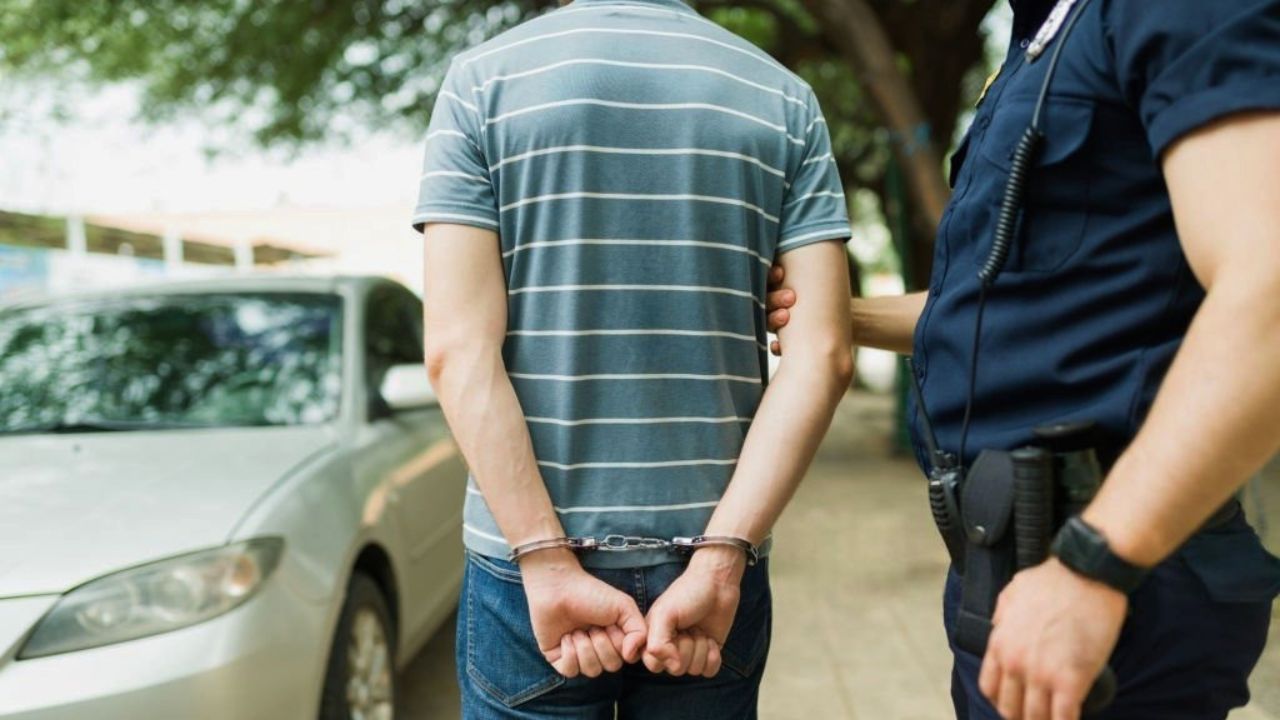
Man’s Car Was Stolen From the Driveway — Then Police Found a Teen Driving It but Said They Couldn’t Charge Him
Photo credit: Antonio_Diaz/Shutterstock.com
A car owner says his vehicle was stolen from his driveway, then later found with a 16-year-old behind the wheel.
That sounds like the kind of case that would be fairly simple.
The car was gone. Police found someone driving it. The driver was not the owner. The owner wanted consequences.
But when police got involved, the answer was not what he expected.
He explained in a Reddit post that his car had been stolen and later recovered while a teenager was driving it. According to the poster, police said they could not charge the teen because there was not enough evidence.
That response left him confused and frustrated.
From the owner’s perspective, the fact that the teenager was driving the stolen vehicle felt like evidence by itself. The car did not belong to him. It had been reported stolen. He was found in it. What more did police need?
But stolen-car cases can get legally messier than they look from the outside. Police may need to prove more than possession. They may need evidence that the person knew the car was stolen, that they were the one who took it, or that they did not have some believable explanation for how they ended up driving it.
That does not mean the owner’s anger was misplaced.
It means the gap between “this person was caught in my stolen car” and “this person can be charged and convicted” can be wider than most victims expect.
A teenager could claim someone else gave him the keys. He could say he borrowed it from a friend. He could say he did not know it was stolen. Those explanations may sound flimsy to the owner, but police and prosecutors still have to think about what they can actually prove in court.
That is the part that makes victims feel like the system is upside down.
The owner had already lost access to his car. He likely had to deal with the police report, possible damage, insurance, towing, impound fees, cleaning, and the uneasy feeling of knowing a stranger had been inside his vehicle. Then, when the car was recovered with someone driving it, he was told that still might not be enough.
That can make the whole thing feel pointless.
The car itself may have been returned, but that does not undo the violation. A stolen vehicle can come back damaged, dirty, missing property, or mechanically abused. Even when it looks fine, the owner is still left wondering where it went, who was in it, what they did with it, and whether the same people know where he lives.
In this case, the car had been stolen from the driveway, which makes the crime feel even more personal. Someone came to the place he lived and took it from right outside his home. That is different from a random parking-lot theft. It makes the owner think about security, keys, cameras, and whether the thief had been watching.
Commenters likely focused on what the owner could do next. If police would not charge the teen, he could ask for a copy of the police report, document any damage, contact insurance, and ask whether the case would be forwarded to juvenile authorities or prosecutors for review. He could also ask whether there was a victim-services office or detective assigned.
But the owner probably had limited control over criminal charges. Victims can report, provide evidence, and cooperate. They cannot force police or prosecutors to file charges if the authorities believe the evidence is not enough.
That is a hard answer to accept when the person was found driving your stolen car.
The practical steps still mattered. If the car was damaged, he needed photos, repair estimates, and insurance documentation. If items were missing, he needed a list. If the teen or anyone connected to him caused loss, restitution might be possible if charges were eventually filed or if there was some juvenile proceeding.
But the emotional frustration was simple.
His car was stolen.
A 16-year-old was found driving it.
And somehow, the answer from police was still “not enough.”
Commenters mostly explained that being found in a stolen car may not automatically prove the teen stole it or knew it was stolen. Many said police and prosecutors need evidence they can use in court, not only the owner’s understandable suspicion.
Several people told the owner to get the police report and make sure any damage or missing property was documented for insurance.
A lot of commenters said he could ask whether the case would be referred to juvenile authorities or a prosecutor, but he could not personally force charges.
Others focused on the practical fallout: repair estimates, towing or impound fees, insurance claims, and any property missing from the car.
The strongest advice was that the owner should keep pushing for documentation, but understand that criminal charges depend on what police can prove — even when the situation feels obvious from the victim’s side.

Abbie Clark is the founder and editor of Now Rundown, covering the stories that hit households first—health, politics, insurance, home costs, scams, and the fine print people often learn too late.