Woman Says Her In-Laws Sold Their House and Assumed They Could Live in Her Vacation Home for Six Months
Photo credit: epic_pic/shutterstock.com
A woman on Reddit said she and her husband owned a vacation home that had always been treated as their place to decompress. It wasn’t just an extra property sitting empty with no meaning attached. It was where they went to get away from work, family stress, and the regular pressure of daily life. She said they had put time, money, and care into making it feel like a real retreat for their household.
Then her in-laws sold their house.
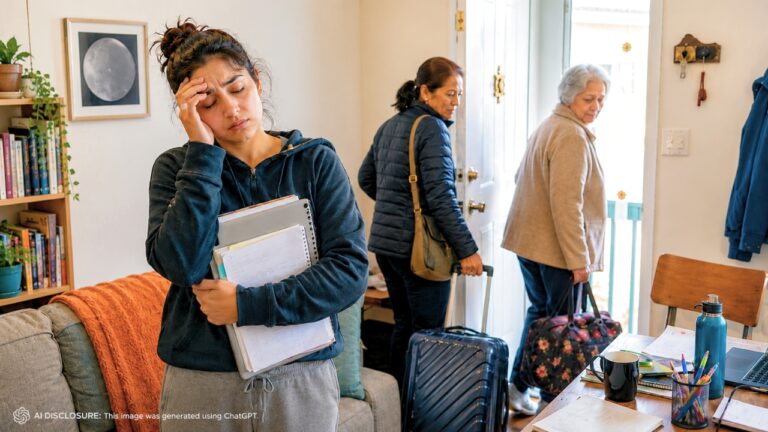
At first, that didn’t seem like her problem. They were adults, they had made their own decision, and she assumed they already had a plan for where they would live next. But then she found out their plan involved her vacation home — and not for a short stay. They wanted to live there for six months.
The woman said the request did not feel like a request at all. Her in-laws had apparently sold their home without first confirming whether they could use the vacation property. By the time the topic was brought to her, it felt like everyone expected her to be reasonable and let them move in because they needed a place.
She was stunned. Six months was not a weekend, a week, or even a temporary emergency. It meant giving up access to the property for half a year, letting someone else live there full time, and trusting that the place would still feel like hers afterward.
Her husband was more open to the idea. From his view, it was family, and his parents needed help. The woman understood that, but she also felt like they had created the crisis themselves by selling their house before securing their next living arrangement. She didn’t think poor planning on their end should automatically become a six-month obligation for her.
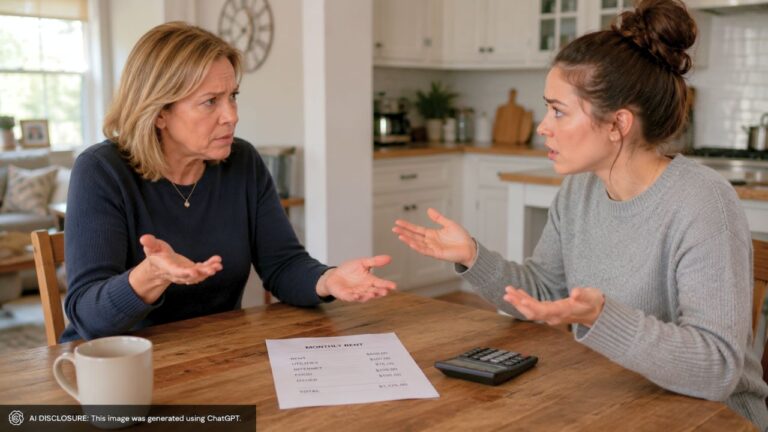
The conversation quickly turned tense. The in-laws framed the vacation home as “available” because no one lived there full time. The woman saw it differently. Empty did not mean free for the taking. It was still their property, still maintained by them, and still a place they used when they wanted time away.
She also worried about boundaries. If they moved in for six months, what happened if they couldn’t find another place after that? Would six months become eight? Would they start treating it like their own home? Would refusing later make her look even worse than refusing now?
The more she thought about it, the less comfortable she became. She didn’t want to open the door to something that could become a long-term family fight. She also didn’t like that the entire situation had been presented as if she was selfish for not immediately handing over the keys.
When she said no, the backlash started. Her husband’s family thought she was being cold. They acted like she was keeping an unused home away from people who needed it. She tried explaining that the issue wasn’t only the space — it was the assumption, the timeline, and the lack of respect for the fact that the property belonged to her and her husband, not the extended family.
Her husband was caught between her and his parents, which made the argument harder. She wanted him to understand that helping family should not mean being cornered into a decision after the fact. His parents had made a major life move first and expected everyone else to absorb the consequences afterward.
By the update, the woman was still holding the line. She was not willing to let the vacation home become a six-month landing pad because her in-laws sold their house too soon. The conflict had exposed a much bigger issue than housing: her in-laws seemed to believe access to the property was something they could expect, while she believed it was something they needed permission to ask for — and accept if the answer was no.
Read the original Reddit thread here.

Abbie Clark is the founder and editor of Now Rundown, covering the stories that hit households first—health, politics, insurance, home costs, scams, and the fine print people often learn too late.