Husband’s Credit Card Was Stolen, Wife Says — Then DoorDash Delivered Expensive Shoes to Their House
Photo credit: Nirat/istock.com
A woman said her husband’s credit card information was stolen, but the part that made the fraud feel especially strange was where the purchases were sent: straight to their own address.
The woman shared the situation in a post on r/Scams, explaining that someone had used her husband’s card number to make purchases they did not authorize. Credit card fraud is stressful enough on its own, but this case had a confusing twist. The items were not shipped to a random address across the country. They were sent to the couple’s home.
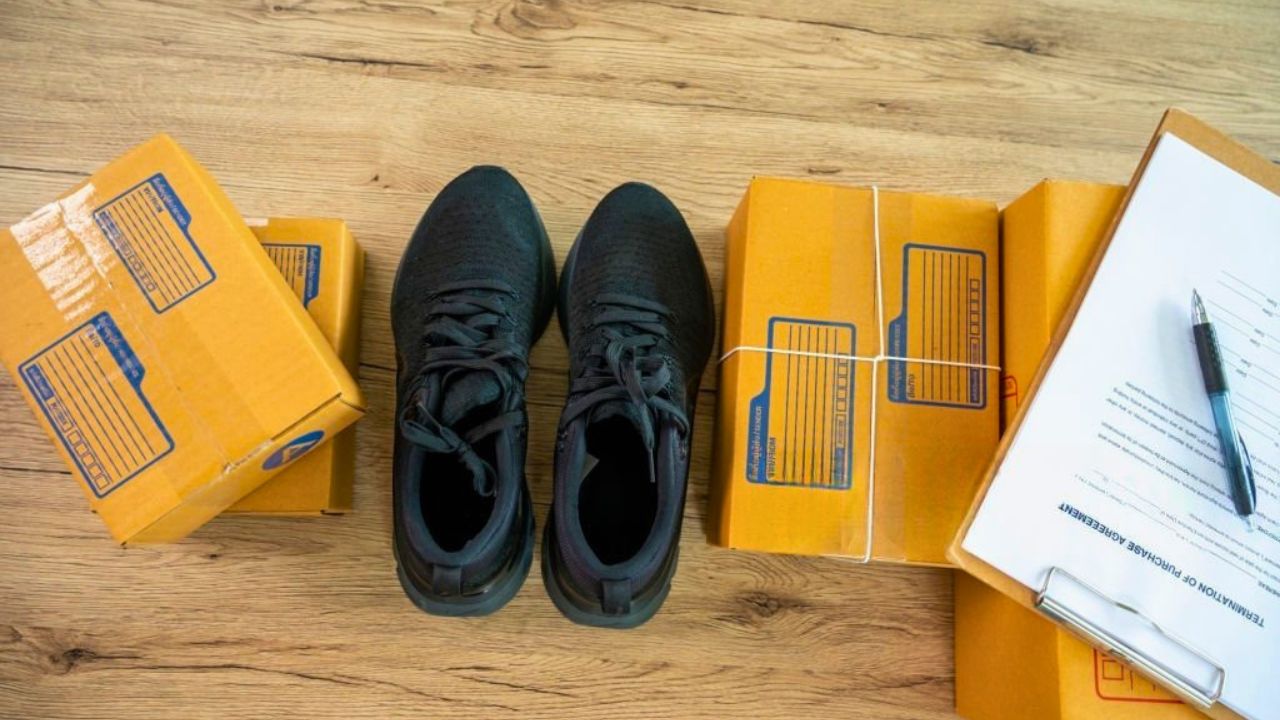
According to the post, the purchases included expensive shoes delivered through DoorDash. That immediately raised the question that makes this kind of fraud so unsettling: why would a thief use stolen card information and then send the goods to the victim’s house?
At first, it seems like a mistake. A scammer who steals a credit card would usually want the merchandise sent somewhere they can actually get it. But commenters quickly pointed out that shipping items to the cardholder’s real billing address can sometimes help fraudsters get past security checks. The order may look more legitimate because the shipping address matches the address tied to the card.
The next step may be interception.
A scammer could wait nearby for the delivery, try to grab the package before the homeowner sees it, or send someone to the door with a story. They might claim the delivery was sent there by mistake. They might say they used to live there. They might pressure the resident to hand it over. In this case, because the shoes were delivered through DoorDash, the timeline could move quickly. Instead of a package sitting in transit for days, the fraud could turn into a same-day doorstep problem.
That made the situation feel less like an ordinary card dispute and more like a public-safety concern. The couple was not only dealing with unauthorized charges. Their home had been pulled into the fraud.
The woman wanted to know what they were supposed to do with the items and how to protect themselves. Should they refuse delivery? Contact DoorDash? Contact the retailer? Call the credit card company? File a police report? Keep the shoes until someone gave instructions? What if someone showed up asking for them?
Those questions matter because victims can accidentally complicate fraud cases by handling the merchandise casually. Keeping the items can create confusion. Handing them to a stranger can help the scammer complete the theft. Returning them without documentation can make it harder to prove what happened. The safest move usually involves creating a clear paper trail with the card issuer, merchant, delivery platform, and possibly police.
The post did not describe someone forcing their way to the door or making threats. The tension came from the fraud setup itself. Someone had the card number, placed orders, and directed those orders to the couple’s address. That meant the scammers either expected to intercept the goods or had made a strange mistake. Either way, the couple needed to act fast.
Commenters told the woman that the first step was to contact the credit card company immediately, dispute the unauthorized charges, cancel the compromised card, and request a replacement. The card number was already being used, so waiting would only give the fraudster more time.
Several people said the couple should also contact DoorDash and the retailer through official channels, explain that the purchase was fraudulent, and ask how to handle the delivered items. If the merchant wanted the shoes returned, commenters said the couple should use a trackable, documented method and keep proof of every step.
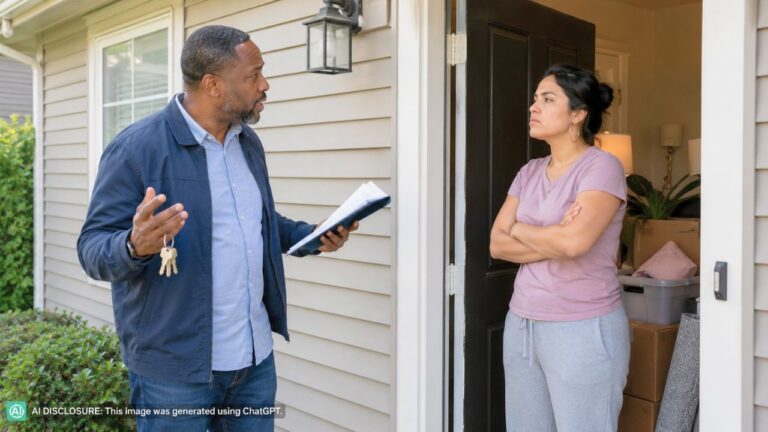
Others focused on the possibility that someone might come to the house. Commenters warned the couple not to hand the shoes to anyone who knocked on the door claiming a mistake. A legitimate return could be handled through the retailer or delivery platform. A random person at the door did not need to be trusted.
Some commenters suggested filing a police report, especially because the home address had been used and valuable items were delivered there. Even if police did not investigate deeply, a report number could help with the credit card dispute and create a record if someone came looking for the merchandise.
There was also advice to check accounts carefully. If one card number was compromised, the couple should look for other suspicious charges, delivery accounts, email alerts, password resets, or new accounts opened with their information. Commenters also suggested enabling transaction alerts so future fraud would be caught quickly.
The post did not end with the person who placed the order identified. It ended with the couple trying to understand why stolen purchases were arriving at their home and how to avoid becoming part of the scam’s next step.
That is what made the situation feel so weird. The stolen card was one problem. The delivery address was another. It turned a financial fraud case into something that could land right on the front porch.
Commenters did not tell the couple to keep the shoes or wait for someone to explain. They told them to lock down the card, report the fraud, contact the companies involved, document everything, and refuse to hand the items to strangers.
Because when expensive items bought with a stolen card are delivered to the victim’s own house, the delivery is not a lucky accident. It may be the part of the scam where someone else is supposed to show up and finish the theft.

Abbie Clark is the founder and editor of Now Rundown, covering the stories that hit households first—health, politics, insurance, home costs, scams, and the fine print people often learn too late.