Family Member Told Him Not to Worry About a Loan and Called It Forgiven — Then Demanded Repayment Four Years Later
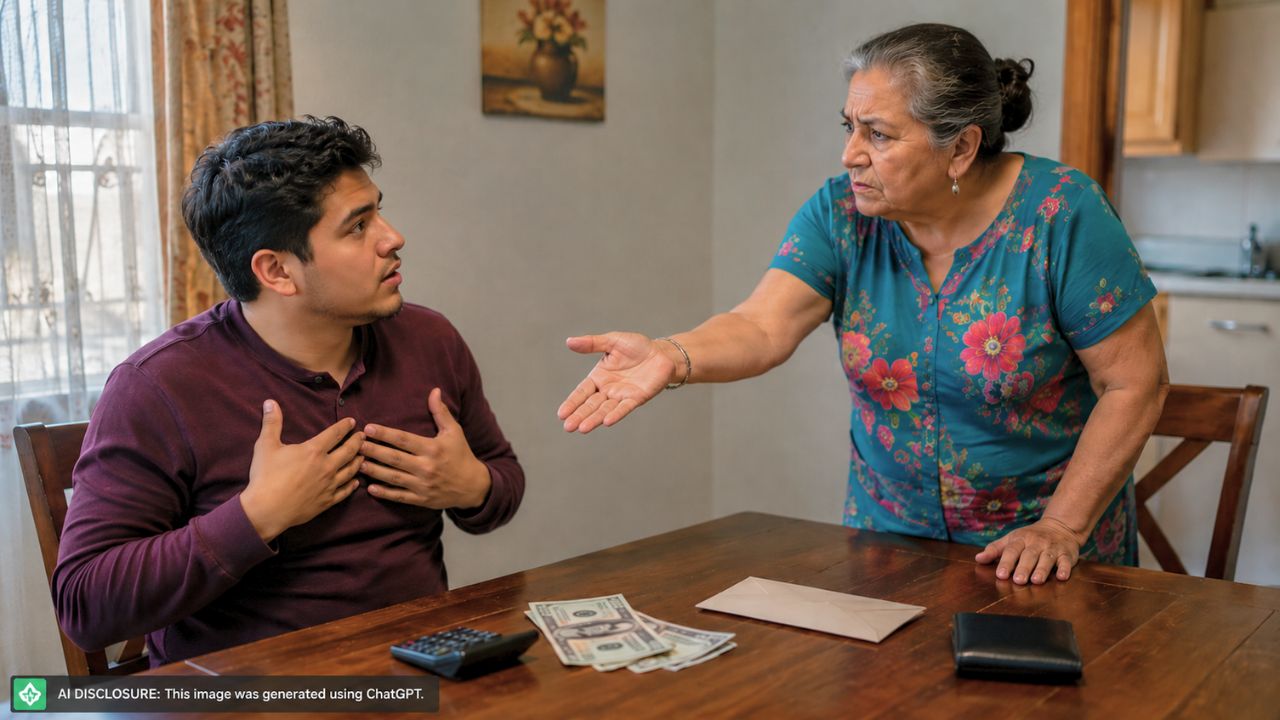
Photo credit: AI-generated image created using ChatGPT. Illustrative only.
Four years after getting help during an emergency, one borrower thought a family loan had been wiped clean. Then the relative resurfaced with a blunt question: when can you start paying me back?
In the original post, the writer describes borrowing money from a close family member while in college, believing they’d eventually repay it the way they always do. But a conversation years ago changed everything: the relative told them they didn’t have to pay it back, and the topic disappeared—until it suddenly didn’t.
It started as an emergency, not a casual ask
The writer says they rarely ask anyone for loans and doesn’t have a habit of leaving debts hanging. This one happened during college, framed as an emergency where they needed help and took it from someone close.
At the time, the writer planned to repay when they could. They say they’re the type who pays back “anything that is given,” even adding interest and staying on schedule. That pattern is part of why this exchange felt so disorienting later: they weren’t trying to get out of paying, they thought it had been reclassified as something else entirely.
“You don’t have to pay it back” changed the whole deal
The key detail isn’t just a vague “no rush.” The writer says the family member explicitly told them they didn’t have to repay the money, and in the current conversation the relative confirmed he had said that. To the borrower, that wasn’t a delayed repayment plan—it was forgiveness.
After that statement, neither of them raised it again for years. The writer says they continued seeing each other regularly, and the money never came up, which reinforced the idea that the balance was settled. It wasn’t just that the relative wasn’t chasing them; it was that the relative had, in the writer’s mind, closed the book.
That’s why the new demand hit like whiplash. The writer describes it as coming “out of nowhere,” especially given that they’d barely been talking recently when the loan suddenly returned to the center of the relationship.
Four years later, it came back as a debt—fast
The relative didn’t just ask whether repayment was possible. The writer says the family member started asking when they could pay and suggested amounts that felt unrealistic given the borrower’s current finances.
The timing also mattered. The writer says they recently started working and keeps emergency funds, but they don’t have the kind of cash the relative seemed to want immediately. Being asked to treat a long-forgotten, supposedly pardoned loan as an active payment plan—on short notice—created pressure they weren’t prepared for.
That’s where the emotions in the post sharpen: the writer isn’t denying the help or downplaying what the money did for them. Their frustration is about the reframe. They felt they were being cast as someone dodging a debt, when the relative had previously taken repayment off the table.
Family money doesn’t stay financial for long
Even without shouting, the stakes are obvious. When money changes hands in a family, it tends to grow extra weight over time: gratitude, obligation, pride, and quiet scorekeeping. The writer makes it clear they don’t want to “burn the bridge,” but they also don’t want to accept a narrative that paints them as unreliable.
They also acknowledge a competing truth: if the relative needs help now, it’s hard to ignore that history. The writer says they understand they “should consider helping him now if he needs money,” even if the original transfer had been forgiven. That’s the tension—doing what’s fair versus doing what keeps peace.
By the time the loan returned to the conversation, the relationship wasn’t in a warm, everyday place. The writer mentions barely talking recently, which can make any sudden financial request feel less like a family conversation and more like a bill being served.
People zeroed in on the meaning of “forgiven”
Most reactions to stories like this tend to orbit one question: was it a gift, or was it a loan with flexible timing? Here, the writer tried to remove ambiguity by clarifying that it wasn’t “don’t worry about it” in a casual sense. They say the relative told them directly they didn’t have to repay, and still admits saying that now.
That distinction matters because it changes what “repayment” even means. If the debt was truly canceled, then a later request looks more like a new ask for help than the collection of an old one. But if the relative meant, “I won’t pressure you,” then the borrower may have misunderstood—and four years of silence could simply be patience, not pardon.
Practical-minded observers usually advise getting terms in writing for this exact reason. Memories drift, people’s circumstances change, and family conversations don’t come with receipts. Even when everyone is acting in good faith, a single sentence from years ago can turn into two completely different stories.
They chose repayment anyway—just on terms they can survive
After thinking it through, the writer decided to pay the money back “bit by bit.” The choice wasn’t framed as an admission that they’d been dodging the obligation. It read more like a damage-control decision: the money helped when they needed it, and they don’t want it turning into a bigger family issue.
They also emphasize they can’t meet the sudden amounts the relative floated. So the new plan is to work out a payment amount they can reasonably manage, even if the original understanding years ago was that repayment was no longer required.
It’s not a clean ending. The writer is still caught off guard by how it resurfaced after so long, especially after years of normal contact with no mention of it. But they’re choosing a slow repayment path that protects their budget and, hopefully, keeps the relationship from snapping under the weight of an old promise that didn’t stay old.
Check out more from Now Rundown:
- A Party of 12 Came Back a Month Later Demanding Their $80 Tip Refunded — My Restaurant Made Me Pay It
- Her Coworker Kept Filing the Same Complaint About Her After Being Warned — Then She Filed a Counter-Report With Every Email Documented
- Siblings Demanded Half of Their Sister’s $11 Million Inheritance — She Refused Because They Never Visited
- The Kid I Bullied in Middle School Just Interviewed for a Job on My Team — He Bombed It and I Didn’t Hire Him

Abbie Clark is the founder and editor of Now Rundown, covering the stories that hit households first—health, politics, insurance, home costs, scams, and the fine print people often learn too late.