Bride Doesn’t Tell Her Dad He Won’t Walk Her Down the Aisle — Then the Stepmom Fallout Gets Ugly
Photo credit: BearFotos/Shutterstock.com
A bride-to-be said she knew her wedding day was going to upset her father.
Not because she was excluding him entirely. Not because she wanted to make a public scene. But because she had already decided he would not be the one walking her down the aisle.
According to the Reddit post, the woman’s relationship with her dad had been strained for years. He was still in her life, but he was not the steady, supportive father figure people usually imagine when they picture that walk down the aisle. The role carried emotional weight, and she did not feel right giving it to him just because tradition said she should.
Instead, she planned for someone else to walk her.
That decision did not come out of nowhere. It came from years of feeling hurt, disappointed, and pushed aside in her relationship with her father. There was also tension around his wife, her stepmother, who had become part of the family dynamic in a way that made the bride feel even less seen.
The bride did not want her wedding day to become another event where she swallowed her feelings so everyone else could be comfortable.
So she kept the aisle plan quiet.
Part of that was avoidance. She knew telling her dad ahead of time would lead to a fight. She expected guilt, anger, arguments, and pressure to change her mind. She also knew her stepmother would likely get involved and turn the whole thing into a bigger family blowup. The bride was trying to protect her peace during wedding planning, even if that meant putting off a conversation she knew would eventually have to happen.
But weddings have a way of dragging private decisions into the open.
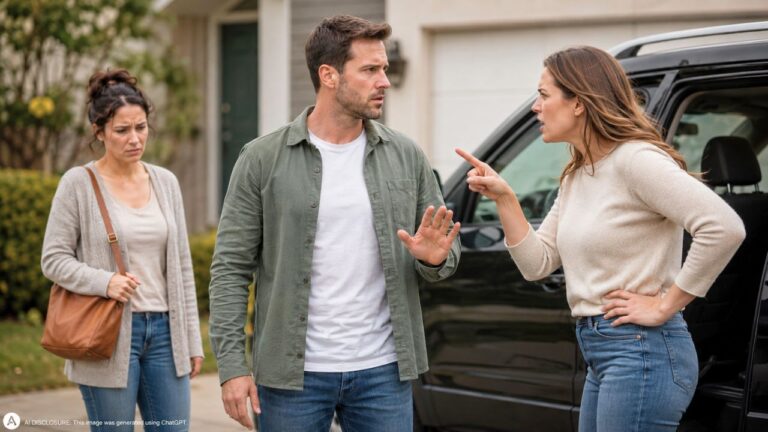
Once her father found out he would not be walking her down the aisle, the reaction was exactly what she feared. He was hurt and angry. Her stepmother was furious too, and from the bride’s side, the focus quickly shifted away from why she made the decision and onto how offended everyone else felt.
That was the part that frustrated her.
Her father and stepmother seemed focused on the optics. What would people think if he did not walk her? Would guests notice? Would it look like she was punishing him? Would it embarrass him? The bride, meanwhile, was focused on what the moment meant to her. Walking down the aisle is not a performance for the father’s reputation. It is a deeply personal moment for the person getting married.
She did not want to give that moment to someone who had not earned it emotionally.
The stepmother’s reaction made things worse. Instead of encouraging her husband to listen, she seemed to make the conflict about disrespect. That kind of response only confirmed the bride’s fear that her own feelings would get buried under everybody else’s outrage.
Then came the larger family pressure.
Some relatives thought she should have told him sooner. Others thought she should have let him walk her anyway to avoid drama. To them, it may have seemed like one short walk, a few minutes of tradition, and an easy way to keep the peace.
But for the bride, it was not a few minutes.
It was years of history compressed into one visible choice. If she let him walk her, she would be pretending the relationship felt different than it did. She would be handing him a public honor that did not match the private reality.
That is where the whole argument kept circling. Her father felt entitled to the role because he was her dad. She felt the role should reflect the actual relationship, not the title.
And those are two very different things.
The bride did not seem eager to humiliate him. She was not trying to make a speech about everything he had done wrong. She simply wanted her wedding to reflect the people who had actually supported her. Her father could still attend. He could still be part of the day in some way. But he would not be the person beside her for that walk.
That boundary landed hard because weddings often expose family wounds people usually keep covered. A strained relationship can be ignored at dinner or during holidays. It is much harder to ignore when a traditional parent role is reassigned in front of everyone.
The bride knew her choice would hurt him.
But she also knew giving him the role would hurt her.
By the end, she was left wondering if not telling him sooner made her wrong. Maybe the timing could have been handled better. Maybe the conversation should have happened earlier, before the wedding stress got worse. But the actual decision — choosing who walked with her based on trust, love, and support — was still hers.
Her dad wanted the honor.
She wanted the truth.
And on her wedding day, she was done pretending those were the same thing.
What Commenters Said
Commenters were mixed on the timing but mostly supportive of the bride’s right to choose. Many said she should have told her father earlier to avoid a last-minute explosion, but that did not mean he was owed the role.
A lot of people focused on the difference between being a parent and earning a place in a major life moment. Commenters said walking someone down the aisle is not automatic if the relationship has been painful or distant.
Others felt the stepmother made everything worse by centering the father’s embarrassment instead of asking why the bride felt this way. Several said her reaction only proved why the bride had been afraid to bring it up.
The strongest advice was that the bride should stop arguing about tradition and keep the explanation simple. It was her wedding, her aisle, and her decision. If her father wanted a different role in that moment, he needed a different relationship long before the wedding day arrived.

Abbie Clark is the founder and editor of Now Rundown, covering the stories that hit households first—health, politics, insurance, home costs, scams, and the fine print people often learn too late.