A Customer Called to Compliment My Work — My Manager Heard ‘Complaint’ and Fired Me on the Spot
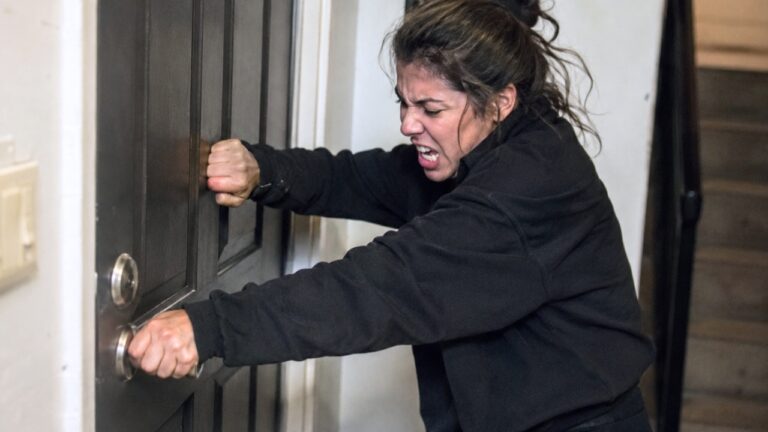
Photo credit: AI-generated image created using ChatGPT. Illustrative only.
It was the last delivery of the night, the kind where you’re already thinking about getting home. The order came out to a little over nine dollars, and the customer handed over a $50 bill. Then the back-and-forth started: how much change did he want, no wait, how much should he get back, actually hold on.
By the time the driver got back to the restaurant, the math had blurred into muscle memory. Only when he handed the cash to his boss did he realize what happened—he’d accidentally walked away with about five extra dollars. It wasn’t a big score, but it felt wrong.
A messy exchange turned into an accidental over-tip
The driver, who said he’d worked at the restaurant only a month or two, described the cash handling as a “cluster” of changing amounts and mixed bills. In the confusion, he didn’t notice he’d effectively collected an $8 tip, larger than what he believed the customer intended.
It wasn’t until he was back in the store and reconciling the money that it clicked: he’d “ripped this guy off” without meaning to. The difference wasn’t going to make or break anyone’s night, but it was enough to nag at him.
Instead of shrugging it off, he decided to fix it immediately. The customer lived right around the corner, and it was the end of his shift anyway. So he got back in the car and drove over to return the extra cash.
He tried to return the money—and got thanked for it
When he knocked, it wasn’t the original customer who answered. It was the man’s wife or girlfriend. The driver explained that he’d done the math wrong and tried to hand her the five dollars he believed he owed.
She refused. Not in a suspicious way—more like someone surprised that a delivery driver would come back at all. She insisted he keep it specifically because he was being honest and because he went out of his way to correct the mistake.
Then she added what, to the driver, sounded like the perfect ending: she said she was going to call the restaurant and tell them what a great driver he was. He went home feeling good, thinking he’d done the right thing and might even get a little credit for it.
The next day, “compliment” turned into “complaint”
When he came in for his next shift, the mood was off immediately. His bosses called him over, and he could tell they were upset. They told him a customer had called to complain about him.
This is where the story flipped from awkward to brutal. His bosses were Chinese immigrants with heavy accents, and the driver said communication was often difficult because of the language barrier. Whatever the customer had said on the phone didn’t land the way he expected it to.
In his bosses’ minds, the call wasn’t praise—it was proof he’d done something inappropriate. They believed he had gone back to the customer’s house, demanded a tip, and then left.
The driver tried to explain the truth: he’d realized he’d made a mistake with the change and was returning money he didn’t earn. He also tried to explain that the woman’s reaction—“oh he shouldn’t have come back!”—was social etiquette, not anger. But his bosses took it literally, as if she was saying she was upset he showed up again.
Trying to clarify only made the argument worse
At that point, the driver wasn’t just defending himself. He was trying to correct a story his managers seemed to have already accepted as fact. He kept saying there was “no way” the woman actually complained, because she had been appreciative and encouraging.
But the conversation didn’t go anywhere. The language barrier and the emotion in the room made it harder, not easier, to walk through details like who answered the door, what was offered, and what was refused.
Instead of ending with a warning or a chance to clear it up with the customer, it escalated into a direct argument. The driver said he was fired because of that argument—after getting blamed for behavior he says never happened.
The outcome was sharp and simple: he lost his job for trying to make a customer whole.
What people focused on: proof, phone calls, and how easily intentions get twisted
In the way these workplace blowups usually go, the most frustrating part is how fast the story hardened. One phone call came in, the managers interpreted it as a complaint, and the driver’s attempt to explain sounded, to them, like pushback instead of clarification.
Readers who dug into the details on the original post tended to focus on how preventable the firing might have been if there had been a way to verify the call. Even a quick follow-up—calling the customer back, asking what was meant, or getting the complaint in clearer terms—could have changed the outcome.
Another point that stood out was how risky it can be to return to a customer’s home after a delivery, even with good intentions. In this case, it wasn’t the customer at the door who caused trouble. It was the secondhand retelling and the way certain phrases can sound negative when translated literally.
And then there’s the workplace reality: in small restaurants, especially family-run places, there often isn’t a formal process. No HR office, no written report, no neutral manager sitting in. It can be one conversation, one misunderstanding, and suddenly you’re out.
He walked away with the same question a lot of service workers have
The driver framed it plainly: he got fired for admitting he was wrong and trying to do a good deed. From his perspective, the most basic version of customer service—making the customer whole—was what triggered the chain reaction.
It also left him stuck in a lose-lose logic that service workers recognize instantly. If he hadn’t gone back, he would have kept money he didn’t feel entitled to. Because he did go back, he was accused of something he says he didn’t do.
By the end, the mistake wasn’t the math at the door. It was how quickly a compliment can turn into a career-ending accusation when communication breaks down and nobody slows down long enough to confirm what actually happened.

Abbie Clark is the founder and editor of Now Rundown, covering the stories that hit households first—health, politics, insurance, home costs, scams, and the fine print people often learn too late.