Coworker Secretly Films Woman Outside Work to ‘Prove’ She’s Faking — Then HR Gets Dragged In
Photo credit: John-Mark Smith/Pexels.com
A woman with chronic pain said she was used to people not fully understanding how her condition worked. Some days, she could move around well enough. Other days, she needed a cane. That did not mean she was lying. It meant her body did not operate on a neat, predictable schedule.
One coworker decided that was suspicious.
According to the Reddit post, the woman worked two jobs: a full-time job from home and a part-time role at a school-related program. She had a documented chronic pain condition, disability paperwork already filed, a handicap placard, and a boss who knew she occasionally needed accommodations.
At the part-time job, she worked under a boss named Amy and alongside a coworker named Casey. Casey wanted a promotion and seemed eager to prove herself. The woman said Casey often raced to complete tasks first, took over work that was supposed to be shared, and then announced that she had handled things for her.
At first, it was annoying. Then the woman came to work with a cane.
She had emailed Amy the night before so her boss knew she was having a rough pain day. Amy adjusted her tasks so she could do more stationary work, mostly admin duties. The woman still showed up, did the work, and helped knock out tasks that usually sat on the back burner.
Casey seemed bothered by that.
When they walked to the parking lot together, Casey asked which car was hers. The woman pointed it out. Then Casey told her she knew she was “not disabled” and said there should be no cane the next day. The woman was stunned, but she was on her way to meet her friend Joy and left instead of getting dragged into a strange parking-lot fight.
That night, she went to a bar with Joy. She brought her cane, but she did not use it every second. She got up from the table. She walked a few steps to get a drink. She hugged her friend goodbye. To anyone who understands chronic pain, none of that is unusual. A person can walk a short distance and still need a cane for longer stretches or harder movement.
Casey apparently saw it differently.
The next day, the woman arrived at work with her cane again. Casey was visibly angry. She made snide comments about whether the woman could handle assigned work “with her cane and all.” She kept rushing to complete tasks before the woman could get to them and made comments over the radio about not wanting her to strain herself.
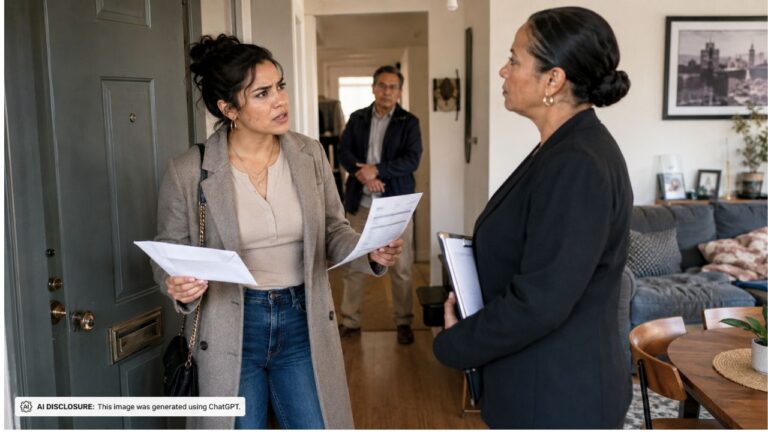
Then, after work, Casey walked with her to the parking lot again and showed her a video.
It was footage of the woman at the bar with Joy.
Casey said it was proof the woman was not disabled because she had acted wounded all day at work but did not always use the cane at the bar. The woman tried to explain that chronic pain does not work that way. Being able to take a few steps or stand briefly does not mean she can spend a whole shift bending, walking, lifting, and moving around without support.
Casey did not want an explanation. She told the woman not to use the cane the next day or she would go to Chad, Amy’s boss.
That was when the woman realized this was no longer a coworker being rude. Casey had apparently filmed her outside work, away from the job, in a social setting, and planned to use the footage to challenge her disability accommodations.
The woman emailed Amy and Chad right away.
The next shift was strangely quiet. Casey had been moved away from her and assigned to back-office admin work. Amy told the woman they were taking it seriously but had to go through the right channels. Amy also walked her to her car and later confirmed by email that Casey would remain separated from her unless something changed.
Then the woman learned Casey had more than one video.
Casey had allegedly filmed her at the bar, and also at a local winery the following day. The second footage reportedly showed the woman getting up to grab a bottle a few steps away and standing to do a small celebratory dance after winning a tabletop game. Again, Casey seemed to believe that short moments of movement proved the woman was faking.
That changed the whole feeling of the situation.
One video could maybe be a coincidence, even if still wildly inappropriate. But two videos, from two different places, on two different days, made the woman wonder how long Casey had been watching her and where else she might show up. Suddenly, normal local outings felt unsafe. She went out with friends afterward, but her head was on a swivel. She kept scanning the room, watching for Casey, and feeling like someone might be filming her again.
She filed a non-emergency police report. Police told her filming in public places was not illegal because there was no reasonable expectation of privacy, but at least the incident was documented. She also kept working with HR and company legal.
In the meantime, Casey was moved away from her campus.
Eventually, the woman found out that the issue had started before the cane. Coworkers told her Casey had allegedly been spreading rumors about her almost from the moment she joined the location. Casey had reportedly suggested she was a danger to kids and had an explosive temper, even though the woman described herself as soft-spoken and said others often told her she needed to be firmer with students.
She also learned Casey had been telling people she only took over the woman’s tasks because the woman did them wrong or made more work for everyone else.
That made the filming feel less like one bad decision and more like part of a larger campaign to discredit her.
Then another layer came out.
Friends found social media posts from Casey that included racist stereotypes about Black women faking disability and taking advantage of public programs. The woman, who is Black, forwarded the screenshots to HR. Suddenly, what had seemed like ableism and workplace jealousy looked like it might also involve racism.
Casey was eventually terminated.
But even after that, the woman’s peace did not return right away. She said after the firing, she started receiving hateful texts from unknown numbers. Then a handwritten note containing a racial slur was left on her car outside her home. Another note was later left on her friend’s car after they went out together, which made the woman worry that someone was following her outside work.
She believed Casey was responsible but did not have proof.
She reported the notes and messages, but again felt the police response was limited. Officers took reports and told her to keep documenting. She checked her car for trackers or AirTags, added more cameras around her home, used her dash cam, saved screenshots, and kept a folder of evidence.
The job itself improved. With Casey gone, the woman became the only person with her title at that campus, and it came with a pay raise. The staff supported her, and work became calmer.
But the emotional cost stuck around.
She still recorded herself walking to and from her car. Her therapist reminded her to stay proactive without letting fear take over her life. That became the line she was trying to walk: take the threat seriously, document everything, protect herself, but not let someone else’s obsession shrink her world.
Casey set out to prove the woman was faking.
Instead, she exposed just how far she was willing to go to punish a coworker for needing a cane.
Commenters were alarmed from the first video. Many said Casey’s behavior was far beyond normal workplace gossip. Following or filming a coworker outside work to challenge a disability accommodation felt invasive, hostile, and obsessive.
A lot of people pushed back hard on Casey’s misunderstanding of chronic pain. Commenters pointed out that disability is not always visible and that mobility aids are often used part-time. Being able to walk a few steps at a bar does not mean someone can complete a whole shift of physical work without pain.
Others urged the woman to document everything, involve HR, file a police report, and avoid being alone with Casey. Once the second video came out, many said the situation sounded less like a misunderstanding and more like stalking.
The later racist notes and messages made commenters even more concerned. Several said the situation had moved beyond a workplace conflict and into retaliation. They encouraged her to keep saving evidence, notify her employer’s legal team, talk to an attorney, and keep police reports updated even if the first responses were frustrating.

Abbie Clark is the founder and editor of Now Rundown, covering the stories that hit households first—health, politics, insurance, home costs, scams, and the fine print people often learn too late.