Upstairs Neighbor Moved In a Piano and Plays It After Midnight
Photo credit: Nowrundown.com
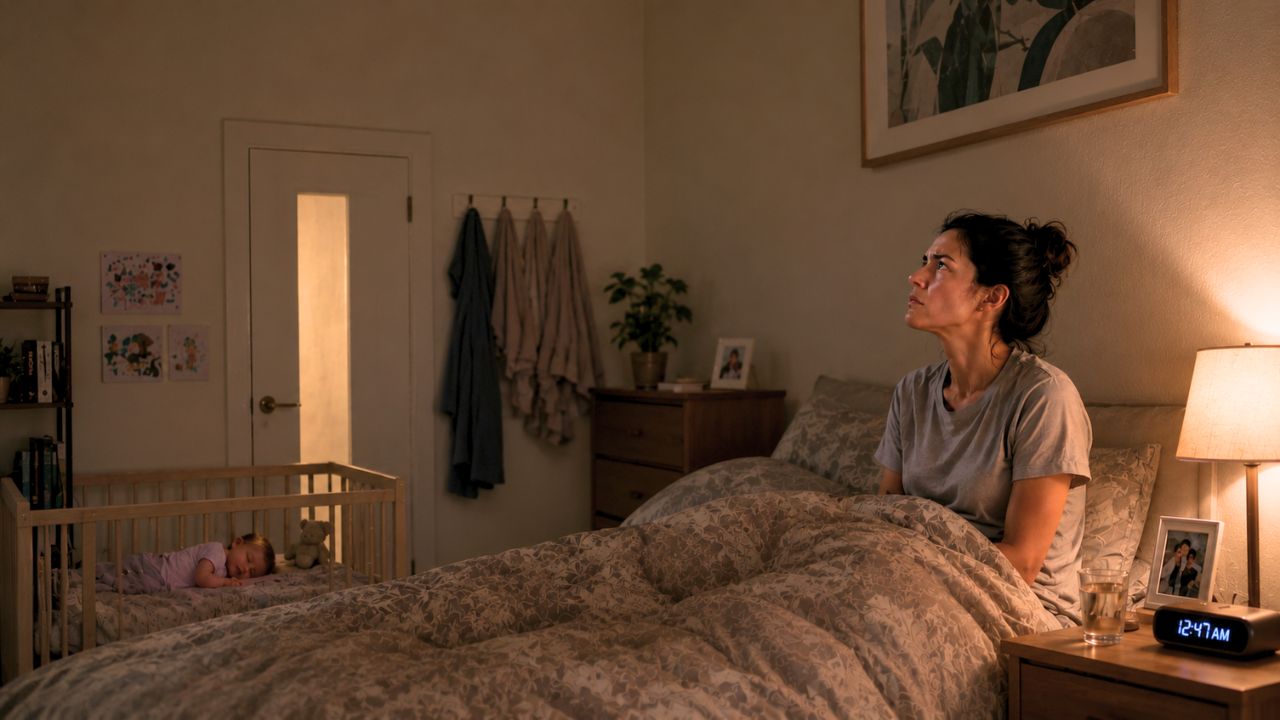
By the third night in a row, Lena wasn’t even trying to fall asleep anymore. She was sitting upright in bed with the light on, jaw clenched, staring at the ceiling like it might crack open and swallow the noise. Every few minutes, the same sequence came through the floorboards: a heavy pedal thump, a few hesitant notes, then a run of louder chords that made her bedside water glass tremble.
It wasn’t just that it was late. It was that it was after midnight, and it felt intentional in the way only a neighbor can make something feel intentional. Lena had a morning shift, a toddler who woke up at six no matter what, and a partner who drove for work and couldn’t be sleep-deprived. Her apartment was small, their budget was tight, and the one luxury she’d managed to protect since becoming a mom was quiet at night.
The first week felt like a prank that wouldn’t end
The new upstairs tenant moved in on a Saturday. Lena watched from her window as a moving truck unloaded a couch, boxes, a rolled-up rug, and then—so slowly it looked staged—a full upright piano wrapped in blankets.
Her stomach sank. She told herself maybe it was decorative. Maybe it was a “one day I’ll learn” purchase. Plenty of people own things they don’t use.
Then the first session started around 12:30 a.m. The notes were choppy at first, like someone sounding out a song one finger at a time. Lena waited, thinking it would stop. It didn’t. It got bolder, longer, and louder, like the person upstairs was settling in for a midnight hobby.
By the time it ended, Lena had been awake for two hours, her toddler had cried once, and her partner, Mateo, had stared at the ceiling and whispered that this couldn’t become “a thing.”
Polite notes turned into uncomfortable hallway run-ins
The next morning, Lena wrote a short, friendly note and taped it to the upstairs door. She mentioned the baby, the work schedule, and asked if they could keep music earlier in the evening. She tried to make it easy to say yes.
That night, the piano started again. Same time. Slightly louder.
On the third day, Lena caught the upstairs neighbor in the hallway: a woman around her age, hair pulled back, carrying a grocery bag and a keyring with a bright lanyard. She smiled quickly and kept walking like she didn’t see Lena’s tired eyes.
Lena said hello anyway and brought up the music, keeping her tone light. The neighbor didn’t apologize. She said she worked late and midnight was her only free time. She added that it was her apartment and she paid rent like everyone else.
It wasn’t screaming or aggressive. It was worse: calm, clipped, and final. The kind of response that tells you the conversation is over before it starts.
The sleep loss started affecting everything
By the end of the week, Lena’s toddler was overtired, which meant meltdowns during dinner and a new habit of waking up at 3 a.m. and refusing to go back down. Mateo began napping in his car during lunch breaks, which scared Lena more than he wanted to admit. Lena’s patience ran thin in ways she didn’t recognize.
She started making mistakes at work—small ones, like forgetting to put in an order or leaving the register short. Her manager asked if everything was okay. Lena lied and said she had a stomach bug.
At home, Lena and Mateo started snapping at each other over stupid things. The dishes. The laundry. Who forgot to buy diapers. But the truth was always hovering: neither of them could rest, and the sound was coming from above their heads like a taunt.
One night, after a particularly loud run of chords, Mateo stood in the living room in the dark and said they should go up there together. Lena didn’t want to. She didn’t want to be the angry neighbor, didn’t want to get labeled difficult, didn’t want drama in the stairwell while their child slept. But she also didn’t want to live like this.
Management got involved, and the neighbor didn’t take it well
Lena finally called the building’s management office. The property manager sounded tired in that way people do when they’ve heard every complaint possible. Still, she asked for dates and times and reminded Lena about the building’s quiet hours clause in the lease.
The manager said she’d speak to the upstairs tenant. Lena felt a wash of relief that lasted almost a full day.
That night, the piano didn’t start until 1 a.m., like a petty compromise. And it wasn’t practice. It was forceful, stomping, full of dramatic pauses and loud crescendos. Lena sat on the couch, holding her phone, and recorded the sound as it came through the ceiling. You could hear the pedal thud like a heartbeat.
Two days later, Lena found a note taped to her own door. It wasn’t signed, but it didn’t need to be. It said the upstairs neighbor didn’t appreciate being “reported” and that if Lena had a problem, she should say it to her face instead of trying to get someone in trouble.
Mateo wanted to march upstairs immediately. Lena stopped him. She had a weird, sinking feeling that this wasn’t just about an instrument anymore. This was about someone deciding they were going to win.
They went back to management with the recording. The manager asked for another week of documentation and offered to send a formal written warning. Lena agreed, even though “another week” felt like a punishment.
The breaking point came on a weeknight
The night Lena broke wasn’t dramatic on paper. No party. No shouting match. It was a Tuesday. Mateo had an early route. Lena had finally gotten the toddler down after an hour of rocking and humming. The apartment was quiet enough that she could hear the fridge running.
At 12:17 a.m., the first note hit. Then another. Then the pedal. Then a song Lena recognized from childhood, played just well enough to make it impossible to ignore.
The toddler woke up crying. Lena picked her up, bounced her, shushed her, tried to keep her from fully waking. The piano didn’t stop. Lena’s chest tightened. She could feel tears coming, not from sadness exactly, but from the pure exhaustion of not being able to fix something so basic.
Mateo went upstairs before Lena could stop him.
He came back down ten minutes later, pale and furious. The upstairs neighbor hadn’t opened the door at first. When she did, she stood behind the chain and told him she was in the middle of practicing. When he mentioned the baby and quiet hours, she told him to get earplugs. She also said, in a tone that made Mateo’s hands shake, that if he kept “harassing” her, she’d call the police.
Lena called management the next morning and asked what it would take to end this. She didn’t care if it meant moving apartments within the building. She didn’t care if it meant paying a fee. She just wanted her life back.
People around them had strong opinions, especially about the timing
When Lena mentioned it to a few friends, the reactions were immediate. Some were stunned anyone would even attempt a piano in an upstairs unit, let alone at night. Others zeroed in on the hours and said it sounded like the neighbor was daring them to complain.
A coworker told Lena to call non-emergency and document every time it happened, like a routine. Another friend insisted she should retaliate with morning noise—vacuuming at 6 a.m., loud cartoons, banging cabinets. Lena didn’t want to turn her home into a war zone, but she understood the impulse.
Even Lena’s sister, who normally told her to keep the peace, said this wasn’t about being sensitive. It was about someone ignoring basic shared-space rules and then acting offended when asked to be considerate.
Lena hated that she now felt anxious when the clock got close to midnight. She hated that her toddler was crankier and clingier. She hated that Mateo looked more tired every day. Mostly, she hated how small it made her feel—like comfort in her own home was something she had to beg for.
Management eventually issued a written warning and offered the upstairs tenant an option to add sound-dampening pads under the piano and limit playing to daytime hours. The piano didn’t disappear overnight, but the after-midnight sessions became less frequent, like the neighbor was testing how far she could push without crossing a line that would cost her.
Lena still keeps her phone charged at night, just in case she needs another recording. Mateo bought a white-noise machine that helps a little. They’re on a waitlist for a different unit when one opens up. It isn’t a satisfying ending, but at least now, when the building settles and the ceiling stays quiet past midnight, Lena can breathe again—until the next note reminds her that peace can be fragile when it lives one floor above you.
Check out more from Now Rundown:
- A Party of 12 Came Back a Month Later Demanding Their $80 Tip Refunded — My Restaurant Made Me Pay It
- Her Coworker Kept Filing the Same Complaint About Her After Being Warned — Then She Filed a Counter-Report With Every Email Documented
- Siblings Demanded Half of Their Sister’s $11 Million Inheritance — She Refused Because They Never Visited
- The Kid I Bullied in Middle School Just Interviewed for a Job on My Team — He Bombed It and I Didn’t Hire Him

Abbie Clark is the founder and editor of Now Rundown, covering the stories that hit households first—health, politics, insurance, home costs, scams, and the fine print people often learn too late.