Landlord Raised the Rent $400 the Month After She Sent a Written Mold Complaint
Photo credit: Nowrundown.com
The first time she noticed it, she tried to talk herself out of panicking. A faint, earthy smell in the hallway closet. A tiny shadowy bloom creeping along the baseboard behind the hamper. She told herself it was just a damp towel situation, a normal old-apartment quirk, something a little bleach and air flow would fix.
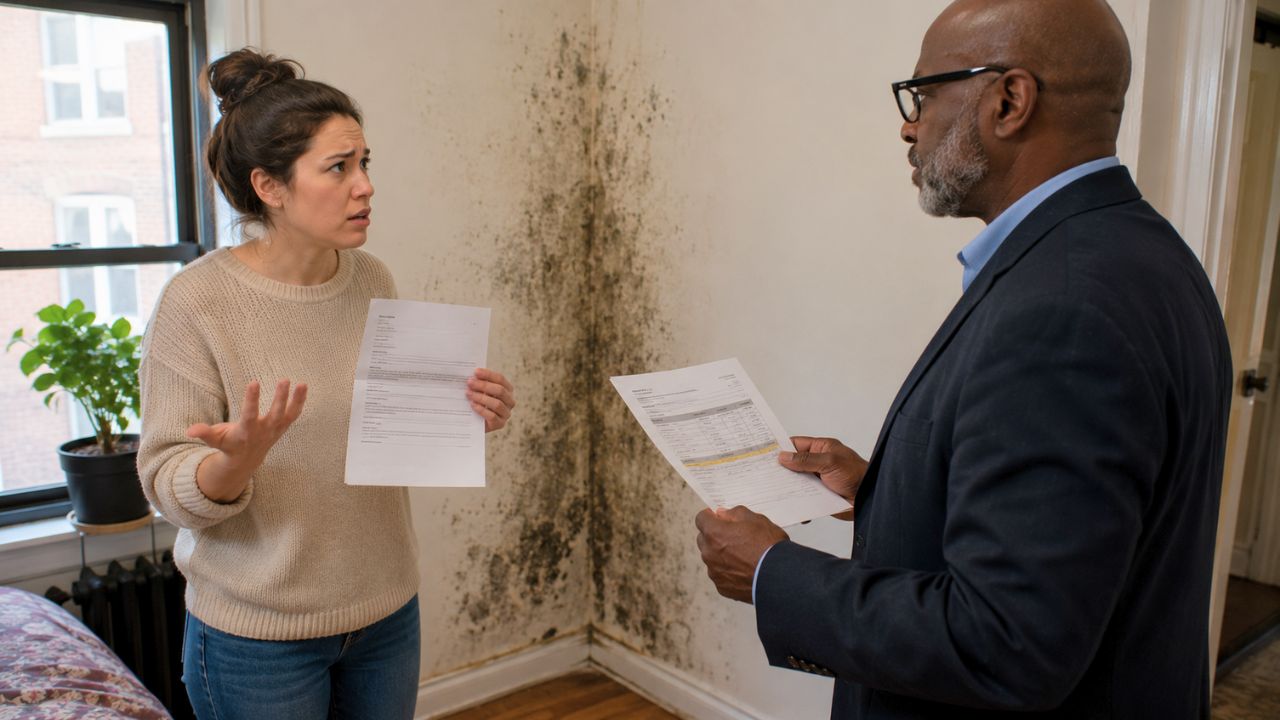
But then her toddler started waking up with a wet cough that didn’t match the season, and she began getting headaches in the late afternoon that eased the minute she stepped outside. When she pulled the dresser away from the wall to vacuum, the back panel came away speckled. That was the moment she stopped treating it like a cosmetic issue.
She did what every responsible tenant is told to do: she documented it, she emailed, she followed up. And one month later, an envelope appeared on her door with a rent increase so sharp it felt personal.
The problem started before the big blowup
She’d moved into the unit after a rough year—breakup, new job, trying to keep her child in the same daycare so mornings wouldn’t become a daily crisis. The apartment wasn’t glamorous, but it was close to work and the rent fit her budget with just enough left over for groceries that weren’t entirely boxed.
The first winter had been a parade of “small” building problems. The bathroom fan barely worked. The bedroom window sweated constantly. The neighbors upstairs ran their heat like a sauna, and she kept hers low to keep the bill manageable.
By early spring, the smell showed up. She bought a dehumidifier and emptied the tank every day like it was a second pet. She scrubbed and repainted the closet wall herself because she didn’t want to be the tenant who complained about everything.
It kept coming back.
She put it in writing because verbal requests went nowhere
At first, she tried the polite route. A text to the landlord: there’s dampness in the closet, can someone check for a leak? The response was quick and breezy—crack a window, run the fan, wipe it down. The same advice she’d already been following.
When she pushed again, the landlord sent the handyman on a weekday afternoon with no real notice. He showed up while she was at work, left a missed-call voicemail, and later texted that he “didn’t see anything.” The mold patch was behind furniture. The smell was subtle unless you stood right there.
That was when she got serious. She took photos with timestamps, including the damp corner and the way the paint bubbled near the baseboard. She kept a little log on her phone of when her child’s coughing got worse and when the headaches hit. Then she typed a formal complaint—calm, specific, not accusatory—and emailed it so there would be a record.
She asked for a professional inspection and remediation, and she asked for it in a reasonable time frame. No dramatic language. Just the kind of email that says: I’m being responsible, please do your part.
The landlord replied two days later with a short message that sounded irritated. The gist was that the unit had never had issues, and “mold happens when tenants don’t ventilate.” It stung, especially because she’d been doing everything right. Still, she waited for the inspection.
The rent notice felt like a punishment, not a business decision
Instead of an appointment confirmation, she got a rent increase notice taped to her door. The new amount was $400 more per month, effective the next renewal. Not in six months. Not after improvements. Just a sudden jump that blew up her entire budget.
She read it three times, hoping she’d misread the number. She hadn’t. It was the kind of increase that doesn’t nudge you toward moving—it shoves you.
When she emailed to ask if it was a mistake, the landlord’s reply was chilly. The building “was adjusting to market rates.” If she didn’t like it, she could choose not to renew. No mention of the mold. No mention of the requested inspection. Just a neat little door labeled “leave.”
And that’s when the emotional whiplash hit. She hadn’t asked for a remodel. She hadn’t asked for a discount. She’d asked for a safe living space for a small child. Now she was being treated like she’d started a war.
She told her sister, expecting sympathy. Her sister’s first reaction was practical: it sounded like retaliation. Her second reaction was blunt: she needed to prepare for a fight.
Her personal life got dragged into it fast
The increase didn’t just threaten her housing—it stirred up every messy thread she’d been trying to keep tucked away. Her ex, who paid a set amount of child support and loved to frame her as “bad with money,” immediately seized on it when she mentioned possibly needing help with daycare if rent went up.
He insisted she must have “done something” to make the landlord angry. He hinted that maybe she was exaggerating the mold. He suggested she move in with her mom “until she figured it out,” which sounded like a solution until you remembered her mom’s habit of turning any favor into permanent control.
And her mom did exactly that. Within a day of hearing about the increase, she was sending listings for tiny basement studios and telling her to pull her kid out of daycare to save money. When she said she couldn’t, her mom started talking about “priorities” in that tone that makes you feel twelve years old.
Meanwhile, the landlord still hadn’t scheduled a proper inspection. The handyman returned once, slapped a thin layer of white paint over one spot, and left the dehumidifier running like that was the fix. The smell came back within days, stronger after a rain.
She started sleeping with her child in the living room because it felt less damp. She kept the closet door closed and put towels at the base like she was plugging a leak in a boat.
The paper trail mattered more than her patience
She stopped trying to “be nice” about it and focused on keeping everything documented. She emailed instead of calling. She saved screenshots. She asked for the rent increase justification in writing and requested confirmation that the mold complaint was still being processed.
At the same time, she reached out to a local tenants’ organization for guidance. They told her what she’d already suspected: sudden rent hikes right after written safety complaints can look retaliatory, and the timeline matters. They encouraged her to request an inspection through the city and to keep communication written and unemotional.
So she did. She filed a request. She left the mold patches untouched so an inspector could see what was happening. She worried the landlord would accuse her of “letting it get worse,” but she also knew a fresh coat of paint would erase the evidence again.
When the landlord found out she’d contacted the city, the tone shifted from chilly to sharp. There were more messages about “tenant responsibilities” and “proper housekeeping,” like she was being scolded instead of heard. The landlord began sending notices about minor things—trash bins not aligned, doormat in the hallway—petty little nudges that made the apartment feel less like a home and more like a monitored space.
She started double-checking everything before leaving for work, the way people do when they feel watched.
People around her were split between “move” and “don’t let this slide”
Her friends had two camps. The first camp was survival mode: just get out. Find a sublet, crash somewhere temporary, do anything to avoid paying that much for a place that might be making you sick.
The second camp was furious on her behalf. They wanted her to push back hard, to report every violation, to refuse to be bullied out because she asked for a basic repair. One friend offered to help her draft emails so they stayed factual. Another offered to watch her child so she could meet an inspector without taking time off work.
At her job, she tried not to let it show, but she was exhausted. She was waking up at night listening for her child’s cough. She was running laundry loads of “just in case” bedding. When her manager asked why she seemed distracted, she blamed it on spring allergies, because explaining the whole landlord situation felt too intimate and too humiliating.
Even her ex’s new girlfriend got pulled into it in a sideways way—suddenly there were messages about custody swaps and “stable housing,” as if a landlord’s choices were proof she couldn’t parent. That part hurt the most. She hadn’t created the problem. She’d tried to fix it responsibly.
The city inspection finally got scheduled, and the landlord, suddenly very interested in “resolving issues,” offered a quick remediation appointment the week before the inspector would arrive. She declined and kept the official date.
It wasn’t dramatic in the moment. No shouting in the hallway. No slammed doors. Just a woman choosing the slow, boring route of paperwork because the fast route of politeness had gotten her nowhere.
By the time her lease renewal window arrived, she still didn’t know if she’d be staying. She had a folder full of emails, a dehumidifier that ran day and night, and a child who deserved a bedroom that didn’t smell like wet drywall. Whatever happened next—negotiation, moving, or formal action—she knew one thing for sure: she wasn’t going to pretend it was normal anymore.
Check out more from Now Rundown:
- A Party of 12 Came Back a Month Later Demanding Their $80 Tip Refunded — My Restaurant Made Me Pay It
- Her Coworker Kept Filing the Same Complaint About Her After Being Warned — Then She Filed a Counter-Report With Every Email Documented
- Siblings Demanded Half of Their Sister’s $11 Million Inheritance — She Refused Because They Never Visited
- The Kid I Bullied in Middle School Just Interviewed for a Job on My Team — He Bombed It and I Didn’t Hire Him

Abbie Clark is the founder and editor of Now Rundown, covering the stories that hit households first—health, politics, insurance, home costs, scams, and the fine print people often learn too late.