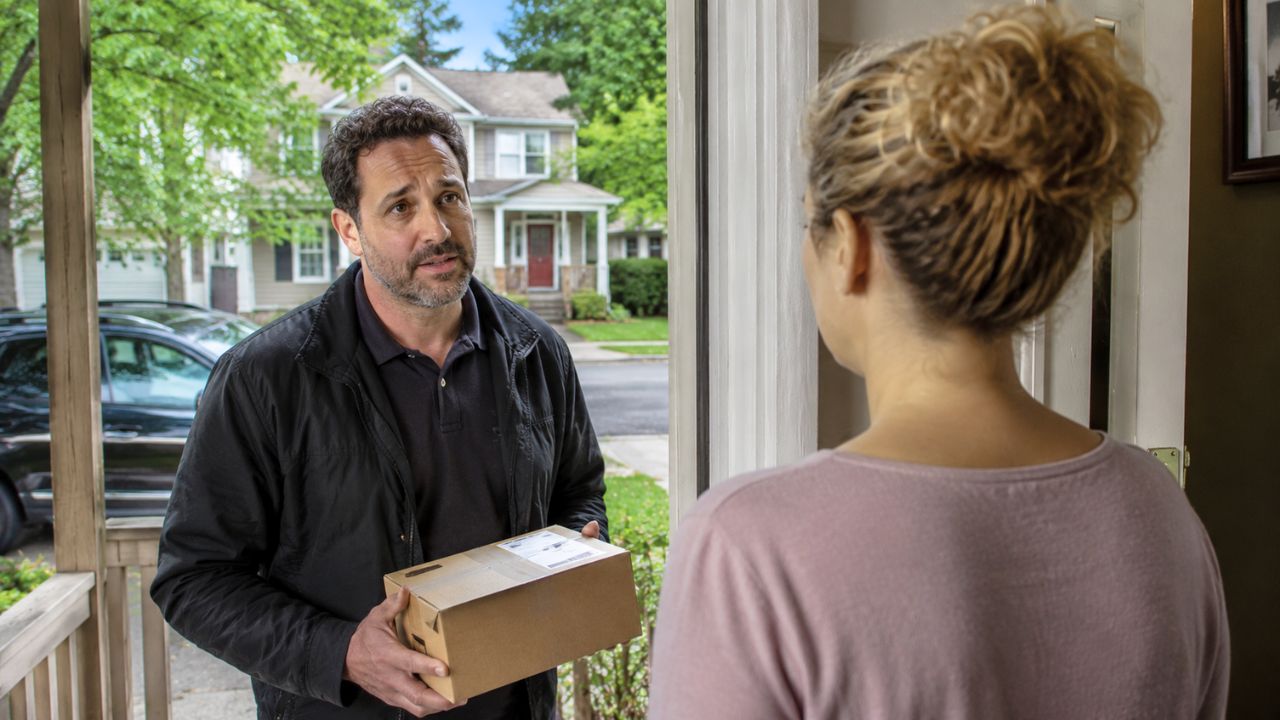
Man Claimed He Used to Live There and Kept Showing Up for Packages
Photo credit: Nowrundown.com
A homeowner said a strange package problem turned into a repeated safety concern after a man claimed he used to live at the house and kept having packages sent there.
The homeowner shared the situation in a post on r/legaladvice, explaining that the man said he had lived at the house years earlier. According to the post, packages started arriving at the homeowner’s mailbox for him, and he would show up to collect them.
At first, that might sound like an old-address mistake. People forget to update shipping information. Online accounts save outdated addresses. A former tenant or homeowner might accidentally send one package to a place they no longer live.
But this was not described as one accidental box.
The homeowner said the man kept getting packages delivered there and kept showing up to retrieve them. That pattern made the situation feel less like a mistake and more like something the homeowner needed to stop.
There are several reasons that kind of setup can feel suspicious. A person who no longer lives at an address should not be using that address for deliveries years later. If they keep doing it, the current resident may wonder whether the packages are tied to scams, stolen cards, illegal activity, debt avoidance, or an attempt to use the home as a drop point while keeping their own address out of the records.
Even if the packages are completely harmless, the homeowner still has a problem. A stranger is repeatedly connected to their address, and then that stranger physically shows up at the house to collect items. That can make the homeowner feel like their mailbox and front door are no longer fully under their control.
The homeowner wanted to know what they should do. Should they keep handing over the packages? Mark them return to sender? Tell the man to stop coming? Call the carrier? Contact police? Could they get in trouble for refusing to give him packages that were addressed to him but delivered to their home?
Those questions matter because mail and package issues can get tricky. A package may have someone else’s name on it, but if it arrives at your address, you are suddenly involved whether you want to be or not. Handing it to a stranger at the door can feel risky. Keeping it can feel wrong. Opening it can create problems. Ignoring it may invite more visits.
The repeated visits were the part that made the situation feel more serious. The homeowner was not only dealing with misdirected mail. They were dealing with a man who knew their address, claimed a past connection to the house, and kept returning.
That can feel especially unsettling because the homeowner has no easy way to verify his story. Maybe he really did live there years ago. Maybe he did not. Maybe the packages are his. Maybe he is using the address for another reason. The current resident should not have to investigate his personal history just to manage their own mailbox.
The post did not describe the man becoming violent or forcing his way inside. But the repetition alone was enough to make the homeowner ask how to set a boundary before the situation became worse.
Commenters generally told the homeowner not to keep accepting the role of middleman.
Several people said the homeowner should stop handing packages directly to the man and instead mark them as “not at this address” or return them through the carrier. If the man no longer lived there, his mail and packages should not be routed through the current homeowner.
Others said the homeowner should tell him clearly, preferably in writing if possible, that he no longer had permission to use the address and should stop sending packages there. If he came back after being told to stop, the homeowner could refuse to engage and contact police if he would not leave.
Commenters also warned the homeowner not to open the packages. Even if the repeated deliveries were annoying or suspicious, opening someone else’s mail or packages could create legal issues. Keeping everything sealed and returning it through official channels was the cleaner route.
Some commenters suggested speaking with the local post office or delivery carriers. The homeowner could tell them the named person no longer lived there and ask what process should be used for future deliveries. For mail, a note in the mailbox or communication with the postal carrier might help. For private carriers, refusal or return procedures may vary.
There was also advice to document the pattern. The homeowner could keep dates, carrier names, package labels, tracking numbers if visible, and notes about when the man came to collect items. If the situation escalated, that record could help show this was not one honest mistake.
Several people also said that if the man refused to leave the property or became pushy, the homeowner should call police. The issue would no longer be the package at that point. It would be someone coming to the home after being told not to.
The post did not end with the man stopping or the packages being rerouted. It ended with the homeowner trying to figure out how to reclaim control over an address someone else kept using.
That is what made the situation so uncomfortable. A former resident’s old address mistake can happen once. But repeated packages and repeated visits start to feel like the current homeowner is being used as an unwilling delivery point.
Commenters did not tell the homeowner to keep accommodating it. They told them to return the packages, avoid opening them, set a clear boundary, document the pattern, and stop letting a stranger treat the house like a pickup counter.
Because when someone who claims he used to live there keeps sending packages to your mailbox, the issue is not only where the box belongs. It is whether your home address is being used for something you never agreed to.
Check out more from Now Rundown:
- A Party of 12 Came Back a Month Later Demanding Their $80 Tip Refunded — My Restaurant Made Me Pay It
- Her Coworker Kept Filing the Same Complaint About Her After Being Warned — Then She Filed a Counter-Report With Every Email Documented
- Siblings Demanded Half of Their Sister’s $11 Million Inheritance — She Refused Because They Never Visited
- The Kid I Bullied in Middle School Just Interviewed for a Job on My Team — He Bombed It and I Didn’t Hire Him

Abbie Clark is the founder and editor of Now Rundown, covering the stories that hit households first—health, politics, insurance, home costs, scams, and the fine print people often learn too late.