Hidden Cameras Found in Clinic Rooms — Worker Says Provider Promised to “Take Care of It”
Photo credit: Fix It Homestead
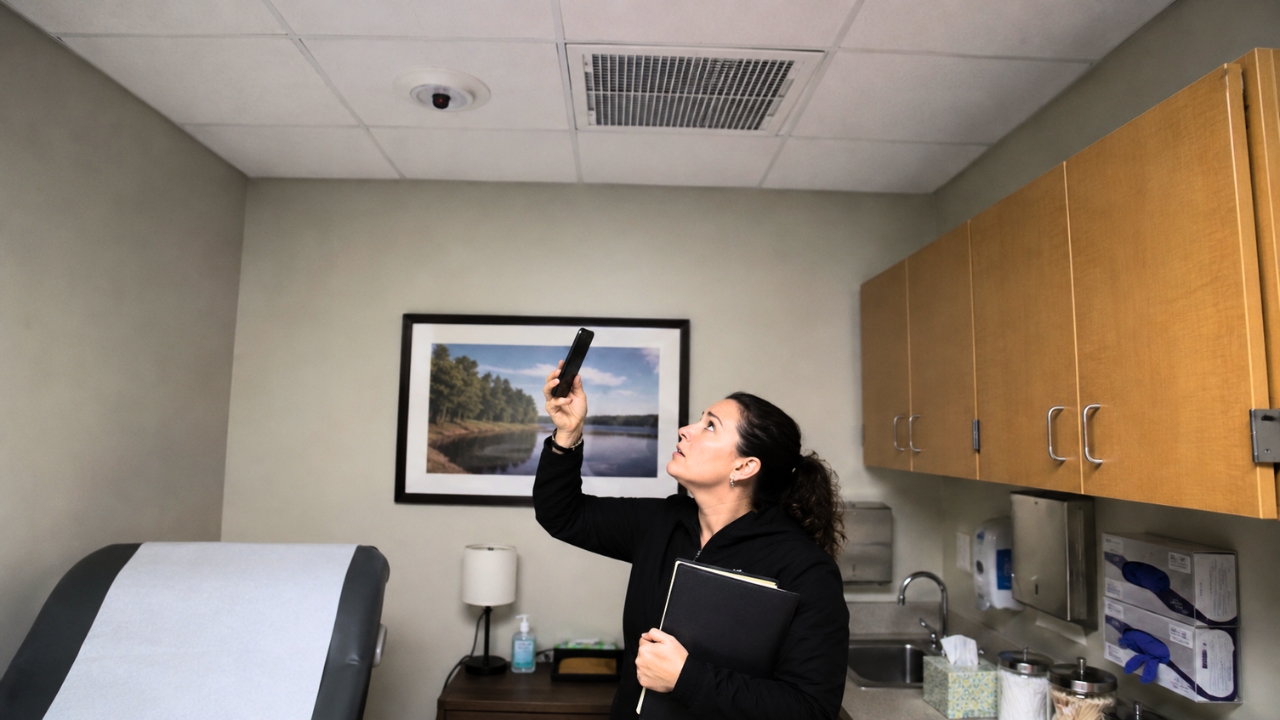
A clinic worker said a disturbing workplace discovery left them unsure what to do after hidden cameras were allegedly found in exam rooms, and the provider in charge appeared to handle the issue quietly instead of treating it like a serious privacy concern.
The worker shared the situation in a post on r/legaladvice, explaining that cameras had been discovered inside clinic rooms. The worker’s concern was not about obvious security cameras in a lobby, hallway, parking lot, or other public-facing area. The issue was cameras inside rooms where patients could reasonably expect privacy.
That distinction matters. A clinic is not like a retail store or office lobby. Patients may be answering personal medical questions, changing clothes, discussing symptoms, receiving exams, or being in vulnerable positions. If cameras are hidden in that kind of space, the concern moves far beyond employee discomfort or workplace policy. It becomes a patient privacy issue, a possible legal issue, and a workplace safety problem all at once.
According to the worker, the provider responded by saying they would “take care of it.” But that answer did not make the worker feel reassured. The phrase sounded vague, especially given the seriousness of what had allegedly been found. The worker wanted to know whether they should report it somewhere else, and if so, where.
That is where the situation became complicated. In a workplace, employees are often told to bring concerns to supervisors, managers, or the person in charge. But if the person in charge is the one controlling the response, the worker may not know whether the issue is being properly documented, reported, or investigated. “I’ll take care of it” might mean the provider is calling the right authorities. Or it might mean the cameras are removed and the whole thing disappears quietly.
For the worker, that uncertainty was the problem.
The post suggested the worker was worried about more than office drama. If hidden cameras were truly inside clinic rooms, there could be questions about who installed them, how long they had been there, whether recordings existed, where they were stored, whether patients were captured, and whether any laws or medical privacy rules had been violated.
Those are not small questions. They involve patients who may never know they were recorded unless someone reports the discovery properly.
The worker seemed stuck between fear and responsibility. Reporting outside the clinic could create workplace consequences. Staying silent could mean patients, staff, or future visitors were left exposed to the same risk. And if evidence was removed before authorities got involved, it might become harder to prove what happened.
The hidden-camera detail also created a time-sensitive problem. Devices can be taken down. Files can be deleted. Access logs can disappear. If the worker waited too long, whatever proof existed might not be available later.
The provider’s promise to “take care of it” became the line that carried the most weight because it did not answer the questions that mattered. Take care of it how? By reporting it? By removing it? By preserving evidence? By notifying patients? By calling police? By contacting a licensing board? By documenting who had access?
The worker turned to Reddit because they needed to know whether trusting that vague promise was enough.
Commenters strongly urged the worker not to treat hidden cameras in clinic rooms as something that should be handled only inside the workplace.
Several people said the worker should contact police or the appropriate law enforcement agency, especially if cameras were found in areas where patients may have expected privacy. Commenters warned that removing the cameras without proper documentation could harm any investigation.
Others told the worker to preserve whatever evidence they could legally preserve. That could include notes about where the cameras were found, when they were discovered, who knew about them, what the provider said, and whether any messages or photos existed. Commenters were careful not to encourage the worker to interfere with evidence, but they stressed that a written timeline would matter.
Some commenters said the worker should consider reporting the issue to a medical licensing board, health department, or privacy regulator, depending on the type of clinic and local rules. If patients were potentially recorded in a medical setting, commenters said the issue could involve patient privacy and professional discipline, not only workplace management.
Others focused on the provider’s vague response. They said “I’ll take care of it” was not enough when the concern involved hidden cameras in private rooms. The worker needed to know whether authorities had been contacted and whether evidence had been preserved.
There was also advice to avoid gossiping about the situation with coworkers or patients before knowing the proper reporting path. Commenters wanted the worker to protect themselves while still making sure the issue reached someone outside the chain of command if necessary.
The post did not end with a public investigation, a confirmed explanation, or a clear resolution. It ended in the uneasy moment after the worker discovered something serious and realized the person in charge might not be handling it transparently.
That is what made the situation feel so serious. Hidden cameras in a clinic are not a normal HR complaint. They can affect patients who had no idea they were part of the problem, and they can raise legal questions that go far beyond one employee’s workplace concern.
Commenters did not tell the worker to wait and hope the provider handled it correctly. They told the worker to document what they knew, consider reporting outside the clinic, and make sure the discovery did not vanish without a real record.
Because once hidden cameras are found in rooms where people expect medical privacy, the issue is not only who put them there. It is whether the evidence, patients, and staff are protected before someone decides to quietly “take care of it” behind closed doors.

Abbie Clark is the founder and editor of Now Rundown, covering the stories that hit households first—health, politics, insurance, home costs, scams, and the fine print people often learn too late.