Wallet Was Stolen From Hotel Staff Safe — Then the Card Was Charged Nearby
A hotel guest said a stressful travel situation became even more frustrating after their wallet was allegedly stolen from a hotel staff safe, and one of the cards was later used nearby.
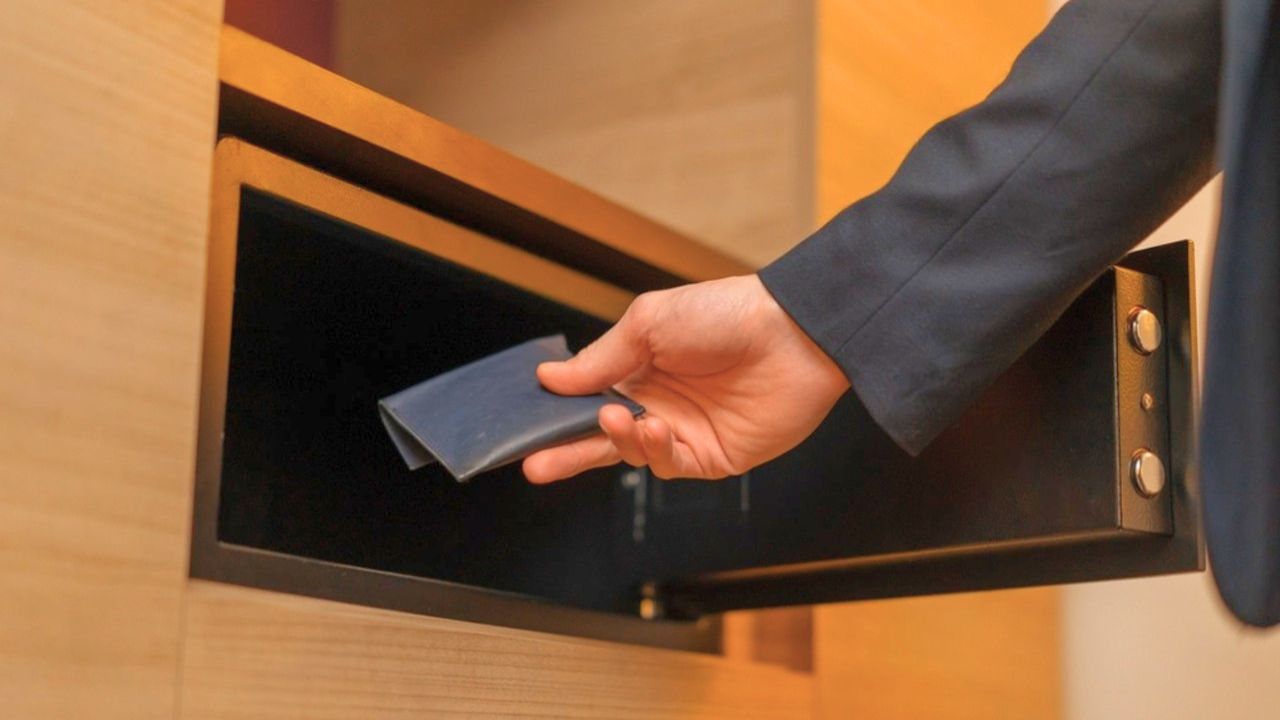
The guest shared the situation in a post on r/legaladvice, explaining that the wallet had been placed in a staff safe at the hotel. That detail made the theft feel especially serious. This was not a wallet left sitting on a lobby couch, forgotten in a restaurant booth, or dropped in a parking lot. The guest believed the item had been handed over to a place that was supposed to be secure.
Then the wallet disappeared.
According to the guest, the situation got worse when one of the cards from the wallet was charged after the theft. That raised a new set of questions. If the wallet had been inside a staff safe, who had access? Was the safe truly secure? Did an employee take it? Did someone else get into it? Was there camera footage showing who handled the wallet? And why was the card used close enough afterward to suggest the thief might not have gone far?
That last part is what made the guest’s concern feel so immediate. A missing wallet is already a problem because it can mean replacing identification, canceling cards, watching bank accounts, and worrying about identity theft. But a stolen wallet followed by a nearby card charge can make the situation feel more traceable and more urgent.
The guest wanted to know what options they had. They were dealing with the hotel, the missing wallet, the unauthorized charge, and the possibility that someone connected to the property may have been involved. That can be a difficult position for a guest because the hotel controls much of the information. The guest may know the wallet was placed in the safe, but hotel staff likely control access logs, cameras, employee schedules, incident reports, and any internal investigation.
The guest’s frustration seemed to come from that imbalance. When a hotel tells a guest something is safe, the guest has to trust that process. If the item disappears anyway, the guest is left trying to get answers from the same people or business responsible for protecting it.
The card charge also created a paper trail. If the card was used at a nearby business, there may have been transaction records, surveillance footage, a timestamp, and possibly a location where the thief appeared after the wallet went missing. But those details may not be easy for the guest to access directly. A bank, police officer, or investigator may need to request the information.
That made timing important. Surveillance video can be overwritten. Employees’ memories fade. Hotels may not keep internal records forever. The longer the guest waited, the harder it could be to prove what happened.
The post did not read like a minor complaint about bad customer service. It read like a guest trying to figure out how to hold a hotel accountable after property disappeared from a place that should have been controlled.
Commenters told the guest not to rely only on hotel management to sort it out.
Several people said the first step should be filing a police report. A stolen wallet and unauthorized card charge are not only hotel complaints. They are theft and possible fraud issues. A police report would create an official record, give the guest a case number, and potentially allow officers to request footage or records the guest could not access alone.
Others said the guest should contact the bank or credit-card company immediately, dispute the unauthorized charge, cancel the affected cards, and ask what documentation would be needed to support the fraud claim. If the wallet contained a debit card, commenters warned that timing could matter even more because debit-card fraud can hit available cash directly.
Several commenters also told the guest to request everything from the hotel in writing. That included confirmation that the wallet had been placed in the safe, the time it was received, who had access to the safe, when it was discovered missing, and whether the hotel had security footage covering the area.
Some people warned that the hotel might not voluntarily hand over camera footage to the guest. That did not mean the footage was useless. It meant the guest should ask police to request it quickly, before it was deleted or overwritten.
There was also advice about identity theft. If the wallet contained a driver’s license, insurance card, Social Security card, checks, or other sensitive documents, commenters said the guest should take extra steps beyond canceling cards. That could include checking credit reports, placing fraud alerts or credit freezes, watching for new accounts, and replacing identification.
The hotel’s responsibility became a major concern. Commenters said the guest should escalate beyond the front desk if management was not taking it seriously. If the hotel was part of a larger chain, the guest could contact corporate with the police report number, transaction details, and a written timeline.
The post did not end with the wallet recovered or the thief identified. It ended at the point where the guest knew the wallet was gone, knew a card had been used, and needed to figure out how to turn those facts into action.
That is what made the situation feel so frustrating. The guest had tried to secure the wallet by putting it in a hotel staff safe. Instead of protecting the item, that safe became the center of the dispute.
Commenters did not tell the guest to wait for the hotel to “look into it.” They told the guest to make the police report, notify the bank, preserve every record, and push the hotel in writing.
Because once a wallet disappears from a staff safe and a card gets charged nearby, the issue is no longer only about reimbursement. It is about who had access, what the hotel can prove, and whether the guest has enough documentation to protect themselves before the missing wallet turns into a bigger identity-theft problem.

Abbie Clark is the founder and editor of Now Rundown, covering the stories that hit households first—health, politics, insurance, home costs, scams, and the fine print people often learn too late.