Airbnb Host Never Changed Door Codes — Then Guest Says Personal Belongings Were Stolen
Photo credit: JulieK2/Shutterstock.com
An Airbnb guest said a rental stay turned into a security problem after personal belongings were stolen and the guest learned the host may not have changed the property’s door codes between guests.
The guest shared the situation in a post on r/legaladvice, explaining that items were stolen during the stay. The theft itself was upsetting, but the bigger concern came from how someone may have gotten access to the property in the first place.
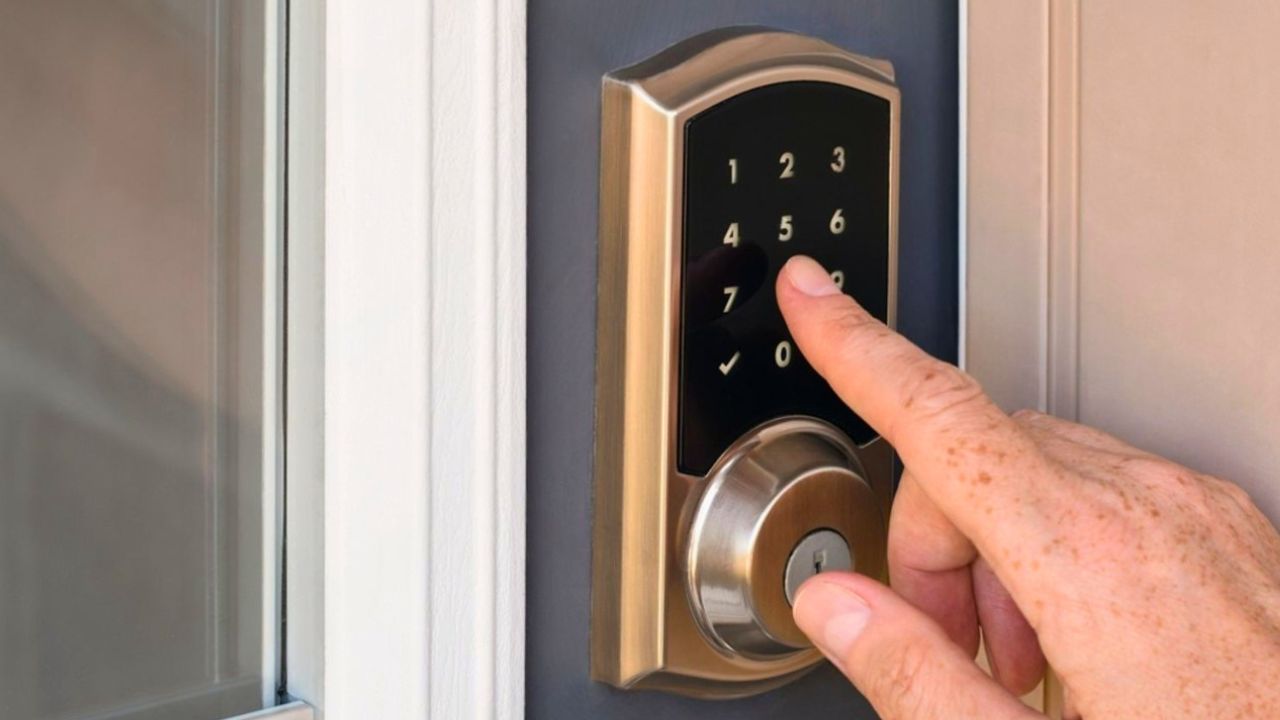
According to the guest, the Airbnb host had not changed the door codes. That meant previous guests, cleaners, maintenance workers, or anyone else who had been given the code before could potentially still enter the property.
That detail changed the situation from a normal theft complaint into a much larger safety issue. A short-term rental depends heavily on access control. Guests are trusting that the door code they receive is temporary, private, and not still floating around from every previous booking. If that code never changes, the lock may give the appearance of security without actually keeping anyone out.
The guest wanted to know what options they had after the belongings were stolen. They were dealing with the host, the platform, and the possibility that the theft was tied to the host’s failure to secure the rental.
That can be a hard thing to prove. If a bag, wallet, device, or other personal item disappears from a rental, the guest may know it was there, but not know who took it. If there is no forced entry, the question becomes even more complicated. Did someone use the code? Did the door fail to lock? Did another guest or worker still have access? Did the host know the code had not been changed?
The unchanged code was the detail that made the guest question whether the host had been careless. Guests do not usually get to inspect a host’s access history. They often have no way of knowing how many people have used the same code before them. They only find out there is a problem after something goes wrong.
The theft also left the guest in an uncomfortable position with the platform. Airbnb can handle refunds, support tickets, host complaints, and claims, but stolen belongings can also require police reports, insurance documentation, and evidence. The guest needed to figure out what to do quickly before records, messages, or footage disappeared.
The situation also raised safety concerns beyond the missing property. If someone could enter the rental because the code had not been changed, the issue was not only about belongings. It was about whether guests were ever truly secure while sleeping, showering, traveling with children, or leaving valuables inside.
That is what made the story feel serious. The guest was not only saying something was stolen. They were saying the property may have been left accessible to people who should no longer have had entry.
The post did not describe the thief being caught in the act. There was no clear suspect named. Instead, the focus was on the system that may have allowed the theft to happen: a door code that allegedly stayed the same after previous stays.
Commenters told the guest to start with the basics: file a police report, document the missing items, and keep all communication with the host and Airbnb in writing.
Several people said the guest should make a detailed list of everything stolen, including approximate values, receipts, serial numbers, photos, or proof of ownership if available. If electronics were taken, commenters suggested using tracking tools, saving device serial numbers, and reporting the items to police.
Others said the unchanged door code should be reported directly to Airbnb. Commenters said the host’s failure to change codes between guests, if true, could be a serious security problem for the platform to investigate. The guest needed to make that point clearly instead of letting the issue be framed as only a missing-property complaint.
Some commenters warned that the host might deny responsibility unless there was proof of who entered. That did not mean the guest should give up. It meant the guest needed records: screenshots of the code instructions, messages with the host, any admission about the code, photos of the lock, police report numbers, and the timeline of when the items disappeared.
Several people also suggested asking whether the property had exterior cameras or smart-lock logs. A smart lock may show when a code was used, though the host may control that data. If a camera captured someone entering during the relevant time, that could help police or the platform understand what happened.
Others told the guest to check their own insurance coverage. Depending on the stolen property and policy terms, homeowners insurance, renters insurance, travel insurance, or credit-card protections might help cover the loss. But commenters said those claims would likely require a police report and itemized documentation.
There was also advice about leaving the rental. If the guest still felt unsafe, commenters said they should ask Airbnb to relocate them or reimburse the stay. A rental where unknown people may still have the access code is not only inconvenient. It can make a guest feel unsafe remaining there.
The post did not end with a confirmed suspect or full reimbursement. It ended with the guest trying to understand whether the host could be held responsible for stolen belongings when the property’s access code may have been left unchanged.
That is what made commenters focus on both angles. The theft needed to be reported like a theft. But the access-code issue needed to be reported like a safety failure.
A stolen bag or missing item can happen anywhere. But a short-term rental host who reuses door codes creates a risk that guests cannot see until something goes wrong.
For the guest, the safest path was to keep everything documented: the police report, the Airbnb complaint, the host messages, the missing-item list, and any proof that the same code had been reused.
Because once a rental’s door code is no longer private, the question is not only who stole the belongings. It is how many people had the ability to walk in.

Abbie Clark is the founder and editor of Now Rundown, covering the stories that hit households first—health, politics, insurance, home costs, scams, and the fine print people often learn too late.