Neighbor Called Police on a Disabled Man She Thought Was “Creepy” — Then the Family Had to Protect Him From the Fallout
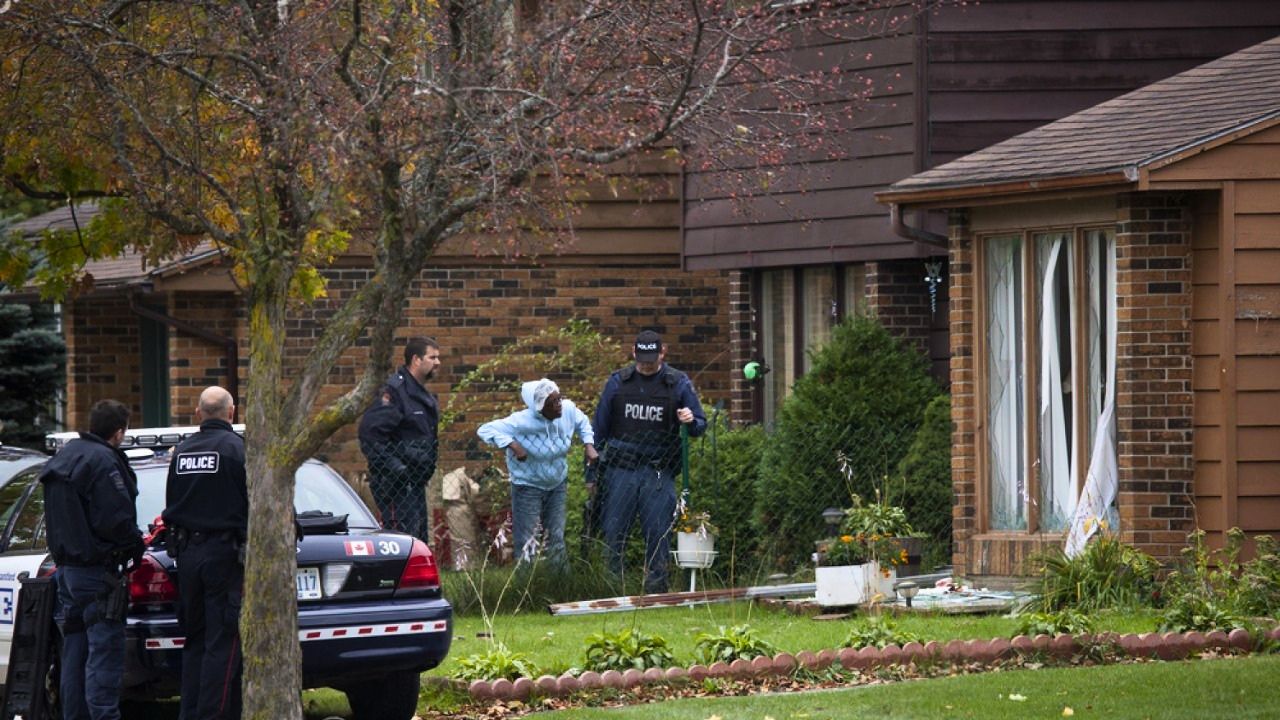
Photo credit: Wally Stemberger/shutterstock.com
A woman who lived with her husband and brother-in-law said she never expected a neighbor’s misunderstanding to turn into police involvement.
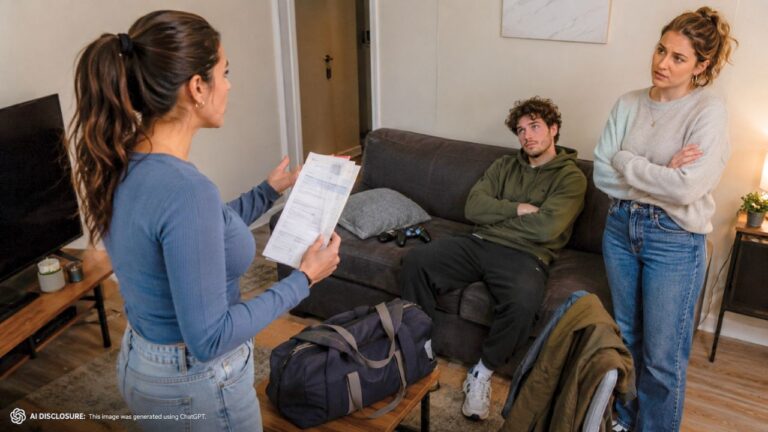
Her brother-in-law was disabled, and his disability affected how he acted in public. He sometimes behaved in ways strangers might not immediately understand. He could seem unusual, awkward, or out of step with what people expected from adults, but his family knew him. They knew his routines, his limitations, and the fact that he was not a threat.
Their neighbor did not see it that way.
The neighbor apparently became convinced the brother-in-law was acting creepy. Instead of talking to the family, asking questions, or trying to understand the situation, she treated her suspicion like a fact. That suspicion escalated until police became involved.
For the family, that was frightening.
Police encounters can be stressful for anyone, but they can be especially dangerous or overwhelming for disabled people who may not respond in expected ways. The woman worried about how her brother-in-law would react if officers approached him. She and her husband had already talked with him and practiced what he should say or do if police showed up, but that did not make her feel much better.
According to the Reddit post, the woman was trying to figure out how to protect him after the neighbor falsely believed he was being creepy. Her biggest concern was not winning a neighbor argument. It was making sure her brother-in-law did not end up scared, cornered, or misunderstood by authorities.
The family also had to consider the landlord.
Once a neighbor starts making claims, especially about someone’s behavior, housing can become part of the pressure. The woman worried about how to respond, what to document, and whether the neighbor’s accusations could create trouble with the place they lived.
The situation was delicate because she did not want to dismiss anyone’s right to feel safe. Neighbors are allowed to notice behavior that concerns them. But there is a big difference between “I saw something I don’t understand” and “this person is dangerous.” When a disabled person is involved, jumping to the worst explanation can put that person at serious risk.
The woman and her husband tried to get ahead of it. They talked to the brother-in-law about police. They practiced responses. They thought through what might happen if someone approached him. That alone showed how much the neighbor’s accusation had changed their daily life.
Before, they were simply living with a family member who needed support.
Afterward, they were preparing him for a possible confrontation with police because someone nearby had decided he looked suspicious.
The update showed the family continued trying to handle things carefully. They wanted a written record. They wanted to respond calmly. They wanted to protect their brother-in-law without making the neighbor fight worse. That is a hard balance, because once someone has been labeled “creepy,” every normal action can start being interpreted through that lens.
If he looked outside, was he watching people? If he walked around, was he following someone? If he acted nervous, was that proof of guilt or proof he was scared?
The family knew the truth, but they could not control how the neighbor saw him.
That was the most painful part. A disabled adult should not have to perform “normal” perfectly to be safe in his own home and neighborhood. But the family understood reality well enough to know misunderstandings can snowball, especially when police are called.
By the end, the woman’s focus stayed practical. She wanted to respond to the landlord, keep records, protect her brother-in-law, and prevent future police contact if possible. The neighbor’s fear may have started the situation, but the family was the one left doing the work of keeping a vulnerable person safe from the consequences.
Commenters were sympathetic to the family and especially concerned about the risk of police involvement. Many said the woman was right to take the situation seriously because disabled people can be misunderstood quickly during tense encounters.
A lot of readers urged the family to document everything: messages from the landlord, notes about the neighbor’s accusations, and any future incidents. They also suggested keeping communication calm and factual so the family would have a clear paper trail.
Several commenters understood that neighbors can have concerns, but they pushed back on jumping straight to “creepy” without context. They said unfamiliar disability-related behavior should not automatically be treated as suspicious or threatening.
The strongest reaction was that the brother-in-law needed protection, not punishment. The family was not trying to excuse harmful behavior. They were trying to stop a misunderstanding from turning into a police encounter that could traumatize or endanger someone who already struggled with anxiety and communication.

Abbie Clark is the founder and editor of Now Rundown, covering the stories that hit households first—health, politics, insurance, home costs, scams, and the fine print people often learn too late.