Man Refused to Lend His Friend Money for a Second Time — Then Learned the First Loan Was Never Actually Repaid
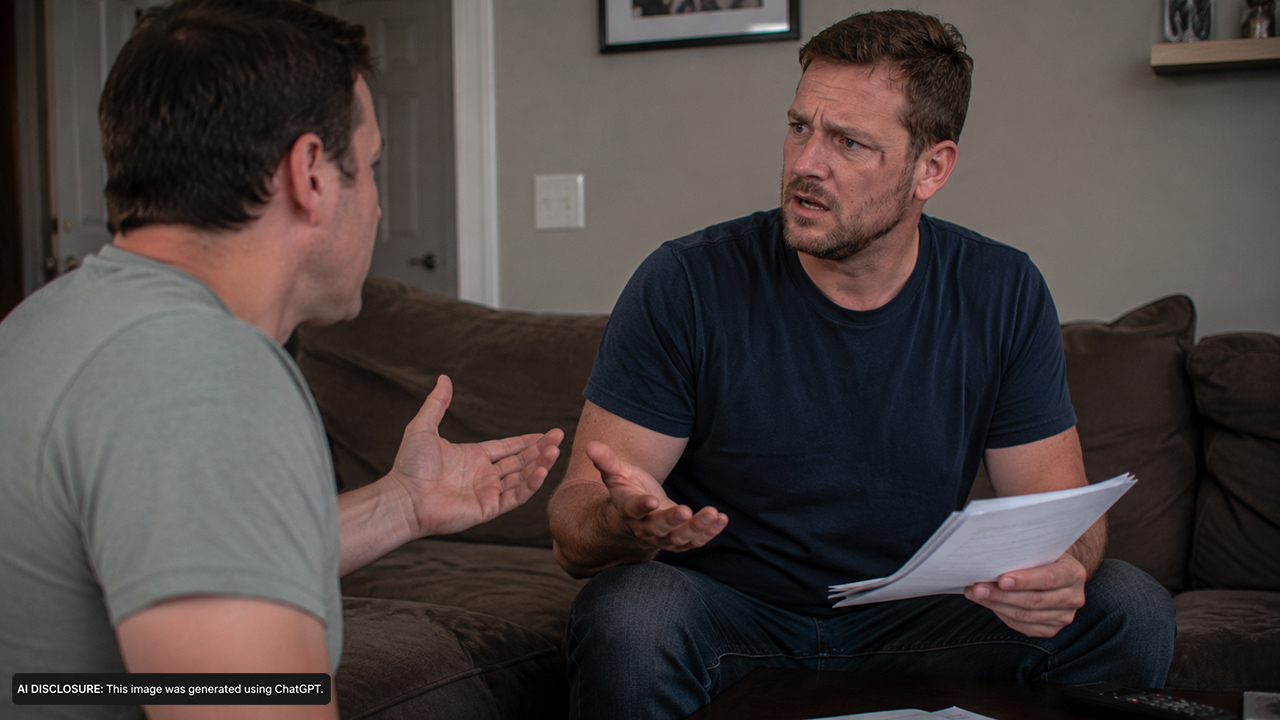
Photo credit: AI-generated image created using ChatGPT. Illustrative only
It started the way these requests often do: a friend says they’re behind on bills, short on cash, and just need a little help to get through the week. Only this time, the person being asked wasn’t just thinking about their bank account—they were thinking about the last time they said yes, and the time before that.
In the original post, the writer explains they’ve known this friend for years, and over that stretch they’ve been asked for financial help “multiple times.” They say they handed over money without much hesitation, believing that’s what supportive friends do. The problem is what happened afterward: they claim those loans never actually came back.
The problem started as “next week,” then quietly became never
The writer describes a pattern that felt familiar every time. Their friend would promise repayment soon—“I’ll pay you back next week”—but the deadline would slide. Weeks turned into months, and then it would stop being discussed like it had simply expired.
What made it harder wasn’t just the missing money. The writer says they did try to bring it up, asking for repayment several times. Instead of a plan or a payment, they got excuses, delays, or an attitude that it wasn’t a big deal.
Over time, the writer says the repeated non-repayment didn’t just drain their wallet. It changed how they felt around this friend. When money comes up, they now feel anxiety—because the “loan” feels less like temporary help and more like a donation they never agreed to make.
The new request was bigger, and the old history came rushing back
Recently, the friend returned with another request, this time for “a significant amount of money.” The reason sounded urgent: bills, expenses, and not enough to cover them. On paper, it’s the kind of moment where a close friend might step in.
But the writer says the past made the decision feel almost automatic. The size of the ask brought back the memory of how previous loans ended: vague promises, long delays, and then silence. They could already picture being out the money again—and dealing with the awkwardness of having to chase it.
So they said no. And they didn’t soften it with vague excuses or pretend they couldn’t help for unrelated reasons. They told their friend the truth: they weren’t willing to lend money again because they’d never been paid back before.
That’s when the friendship part got weaponized
The refusal didn’t land quietly. The writer says their friend was visibly upset and framed it as a loyalty issue, telling them they weren’t being a supportive friend. Instead of acknowledging the unpaid loans, the friend pushed a different argument: that they’d “always been there” for the writer in the past, and that trust is what friendship is supposed to be built on.
It’s a tricky move, because it shifts the focus away from the debt and onto character. The writer is no longer talking about repayment schedules; they’re defending whether they’re a good person. The friend’s message was essentially: if you cared, you’d do this.
But the writer also lays out the practical side. Each time they’ve lent money before, they say it put them in a “tough financial spot.” This isn’t a wealthy benefactor annoyed by a missing check. The help seems to come with real consequences for the person giving it.
The real cost wasn’t just the cash—it was the trust
At the center of the story is a simple fact pattern: repeated borrowing, repeated promises, and repeated failure to repay. But the emotional fallout is what makes it messy. The writer doesn’t say they want to punish their friend. They say they “feel bad” for them and understand they’re struggling.
Still, they’ve reached the point where sympathy doesn’t cover the gap anymore. They describe being “burned so many times” that they’ve lost trust. And once trust is gone, even small requests carry the weight of all the previous ones.
The uncomfortable reality is that the friendship is now tied to a financial ledger the friend won’t acknowledge. If the writer says yes again, they’re telling their friend—again—that repayment is optional. If they say no, they’re cast as unsupportive. Either way, the relationship takes a hit.
What people focused on: repayment isn’t a misunderstanding if it keeps happening
Although the post centers on the writer asking if they were wrong for refusing, the details point readers toward a blunt conclusion: this doesn’t sound like a one-off lapse or a forgotten Venmo request. The writer describes a consistent pattern over several years, plus multiple attempts to ask for repayment that went nowhere.
In situations like this, many readers tend to focus less on whether the friend is “good” or “bad,” and more on behavior. Promising repayment “next week” and letting it stretch into months isn’t a scheduling issue—it’s avoidance. Acting like it’s “no big deal” when the lender is financially stressed reads as disrespect, not confusion.
The other point people often press in these disputes is that support doesn’t have to mean cash. If someone only feels supported when they receive money, and becomes angry when they don’t, that can be a sign the relationship is becoming transactional. The writer’s friend didn’t just ask and accept a no; they argued, guilt-tripped, and tried to make the writer feel responsible for their hardship.
Where it leaves them: a boundary that might end the friendship
The writer is stuck in the place a lot of people end up when lending becomes a habit: trying to draw a boundary without detonating the relationship. They didn’t just refuse this one request—they named the reason, which forces the friend to either address the repayment history or pretend it doesn’t exist.
And that’s what makes the moment tense. If the friend admits they never repaid, the next step would logically be to make it right before asking for more. If the friend refuses to admit it, or keeps insisting the writer should “trust” them anyway, then the writer is left with a hard truth: the friendship may be built on what they can provide, not who they are.
For now, the writer is standing their ground, even with the guilt being pushed back at them. The money issue may be the surface problem, but the deeper one is whether this friendship can survive once “no” is finally part of the conversation.

Abbie Clark is the founder and editor of Now Rundown, covering the stories that hit households first—health, politics, insurance, home costs, scams, and the fine print people often learn too late.