Owner Found His Stolen Car for Sale at a Dealership — Then Police Said They Wouldn’t Report It as Stolen
Photo credit: Dmytro Zinkevych/Shutterstock.com
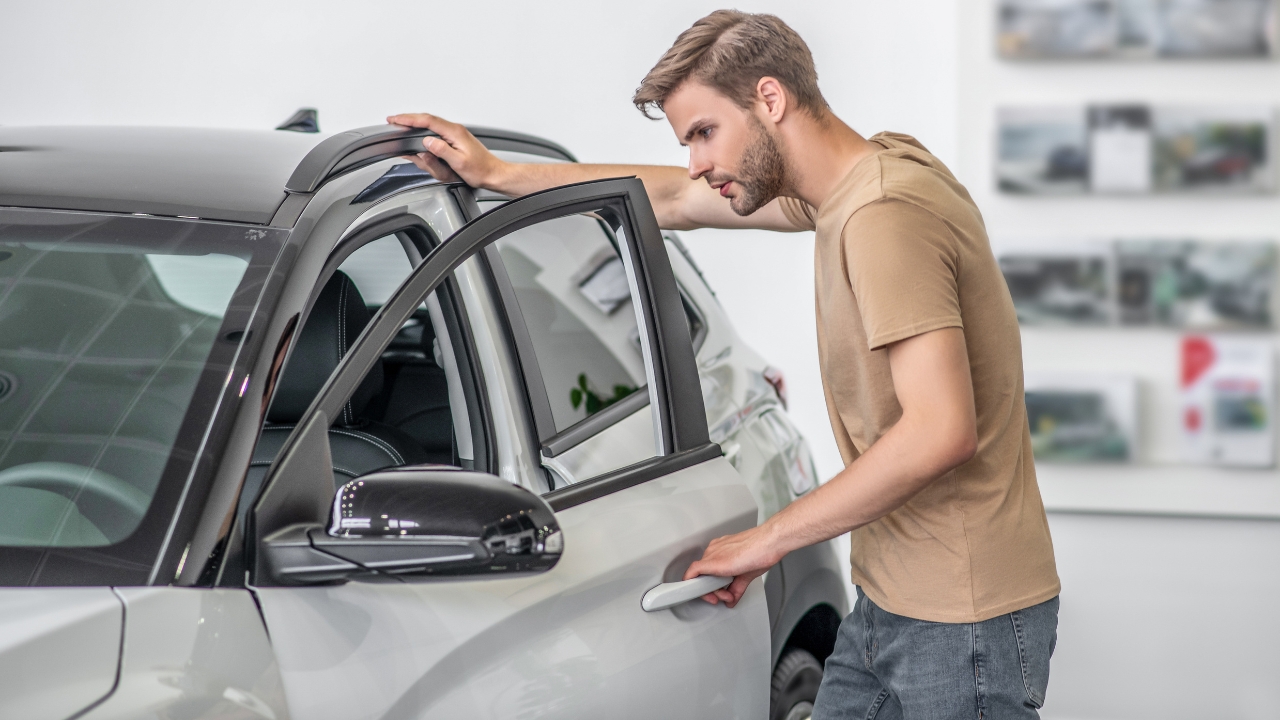
A man says he bought a rare car worth more than $100,000, never received it, and later found the exact vehicle listed for sale at a California dealership.
The VIN had not been altered.
The car was right there.
But getting it back turned out to be much harder than simply proving it was his.
He explained in a Reddit post that the situation started with a purchase from a Florida dealer. Afterward, a lawsuit was filed against the dealer. While that was going on, the buyer located the car online for sale in California.
According to him, it was 100% the same vehicle. The VIN matched. He still had the title, bill of sale, and paperwork. The problem was that the vehicle had never been officially reported stolen at the beginning, so the person who took it through the shipping process had been able to get it retitled.
That created a legal maze.
He flew to California and spoke with police in the same county as the dealership. He showed them the paperwork, and he said they were ready to seize the vehicle. But there was one requirement: the car needed to be reported stolen in the jurisdiction where it was stolen.
That was where everything jammed up.
Florida police would not report it stolen, according to the poster, because the original dealer had willingly handed the keys over to the shipping company. From their point of view, that made it a civil issue instead of a stolen-car case.
The buyer did not see it that way.
He had bought the car. It was supposed to be shipped to him. Instead, the shipping chain delivered it to someone in Texas, and that person disappeared with it. From the buyer’s perspective, the car was stolen. But because it moved through shipping companies and paperwork instead of being hot-wired from a driveway, police kept treating it like it did not fit neatly into their theft box.
He said the shipping company originally picked the car up and delivered it to the thief in Texas. He contacted police in the Texas county where the car was delivered, and they were apparently willing to take a report — but only if he flew there in person with his documents.
By that point, he had already flown to California, dealt with police there, filed a lawsuit, and chased a car across multiple states.
He was exhausted.
The cruel part was that the car was not hidden. It was sitting at a dealership, for sale. The California dealership had bought it from a large auction house. The auction house had bought it from the person the poster believed stole it. Because the thief had keys and managed to get a new title issued, everyone downstream could claim they bought it legitimately.
That left the buyer in a strange position.
He owned the car, or at least believed he did. He had paid for it. He had the original paperwork. But the current dealer also had a chain of purchase through an auction. Without the stolen-vehicle report, California police would not just seize it and hand it over.
The man even asked whether he could take it for a test drive and keep it, but said police told him that would technically be stealing because the dealer had bought it from auction.
That had to be infuriating.
He could see the vehicle. He could prove the VIN. He had the title. But if he drove off with it, he could be the one in trouble.
Commenters had different opinions on the best path forward. Some said he should focus on the lawsuit against the original Florida dealer instead of spending more money flying around trying to recover the car. Their logic was that he paid the dealer but never took delivery, so the dealer should make him whole and let the dealer, its insurance company, or its lawyers chase the thief, the shipping company, the auction, and whoever else was involved.
The buyer pushed back because the car was rare. It had the exact color combination he wanted. This was not just a generic vehicle he could easily replace with a check.
That made the choice harder.
Money might make him whole on paper, but it would not necessarily get him the car he had actually bought.
Other commenters suggested trying more law enforcement agencies in Texas, including county, city, constable, or online reporting options, before flying out again. He said he would try.
Some commenters also believed police were using the shipping-company details as a reason to avoid the report. They suggested keeping the report simple: he bought a car, it was supposed to be delivered, it was taken, and now it is missing. The buyer did not want to lie, but he also understood that every added detail about central dispatch, shipping brokers, dealerships, titles, and auctions seemed to make officers call it civil and step away.
The post showed how theft can look very different when it happens through paperwork instead of a smashed window.
A person can steal a car by disappearing with it during shipping, retitling it, pushing it through auction, and letting legitimate businesses resell it before the original buyer can get anyone to mark it stolen.
By the time the owner finds it, the car may have passed through so many hands that everyone claims they are innocent.
And maybe some of them are.
But the buyer was still out a rare, six-figure car.
He was left choosing between another trip to Texas, a lawsuit against the Florida dealer, and the painful possibility that the car he found in California might still drive away with someone else.
Commenters mostly told him to focus on the lawsuit against the original Florida dealer, especially because he paid for the car but never received delivery. Several said the dealer or its insurance should be the party chasing the thief, shipping company, auction house, or whoever else handled the car.
A lot of commenters warned that trying to recover the car himself could keep costing him flights, legal fees, and time without guaranteeing the vehicle would be seized.
Some commenters suggested contacting other Texas agencies or trying online reporting options before flying there with the title. The poster said he still had the title and did not want to mail it because of the risk of losing it.
Others pushed him to get the car officially reported stolen somehow, because without that report, police in California could not simply seize the car from the current dealer.
The clearest advice was simple but frustrating: the paperwork trail matters. Until one jurisdiction treats the car as stolen, everyone else can keep treating it like a civil shipping dispute.

Abbie Clark is the founder and editor of Now Rundown, covering the stories that hit households first—health, politics, insurance, home costs, scams, and the fine print people often learn too late.