Man Says He Was Robbed at Gunpoint Outside a Gas Station — Then the Worker Refused to Call Police
Photo credit: Now Rundown
A 22-year-old woman says she was standing right by the front door of a gas station in Washington, D.C., when three people went inside, looked around, came back out, and robbed her at gunpoint.
She explained in a Reddit post that the area was well lit and that she was close enough to the entrance that the worker inside could see what was happening.
That detail is part of what made the robbery even harder for her to process.
According to the woman, she clearly saw the gas station worker looking at them during the robbery. She had good reason to believe he knew something was wrong. She was outside, near the front door, with three people robbing her at gunpoint.
Then they took her phone and other property.
Altogether, she lost more than $3,000 worth of belongings.
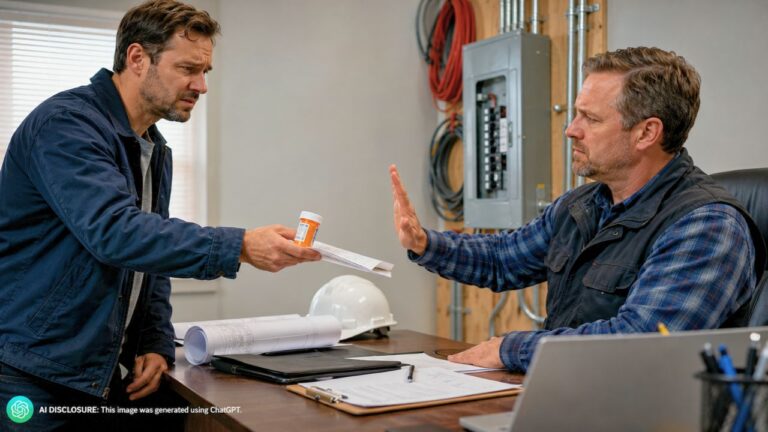
After the robbers left, she ran inside the gas station and asked the worker to call police. Her phone had just been stolen, so she could not call for help herself.
The worker shook his head and looked down.
He did not call.
That moment seemed to hit almost as hard as the robbery itself. She had just been held at gunpoint, had no phone, and was standing inside a business asking the employee for help. Instead of dialing 911, he refused.
Luckily, her friend was already on the way and arrived shortly afterward. The friend had a phone, and they were able to call police.
When officers arrived, they questioned the worker.
The worker reportedly said he did not see or notice anything. Not the robbery. Not the three people. Nothing.
That did not make sense to the woman.
She said there were multiple cameras around the property, including one near the entrance that should have clearly captured what happened. So now she was left with two layers of anger: the three people who robbed her, and the business employee who refused to help after she came inside terrified and without a phone.
Her legal question was whether the property owner or management company could be held liable for the robbery for failing in some duty of care. If not, she wondered whether she should file a civil lawsuit against the people who robbed her to try to recover the value of her stolen property and emotional damages.
She also worried about retaliation. She had worked for a prosecutor in the city where the robbery happened and said she had been told it was common to receive threats over civil or criminal charges.
That fear made sense. Being robbed at gunpoint is already enough to make someone feel unsafe. The idea of suing the people who did it adds another layer of anxiety, especially if they know who she is or could somehow find out.
Commenters gave her practical but not especially comforting answers.
One commenter said they were not aware of any jurisdiction where a business has a general duty to protect a person from being robbed by strangers outside. Cameras are often there to protect the business, lower insurance risks, or document incidents — not necessarily to create a legal duty to protect the public.
That was not what she had hoped to hear.
She responded that she had hoped it would be different because it was a business, but thanked the commenter for the information and for suggesting she look into insurance.
Another commenter said she should contact a local lawyer and ask about negligence or premises liability. Many lawyers offer free consultations, and those are the terms that would likely matter if she wanted to explore whether the business had any liability. The same commenter also told her to consider homeowners or renters insurance and look into whether a victim’s fund might be available.
That advice gave her a few routes besides suing the business.
Still, the emotional part remained. She said she was shaken up, and another commenter encouraged her to consider therapy because being the victim of a violent theft is traumatic and deserves care just like a physical injury would.
That was probably one of the most important pieces of advice in the thread.
The woman wanted legal answers, but the trauma was clearly fresh. The robbery had happened the night before. She had been held at gunpoint. Her phone was stolen. She had to ask a worker for help and watch him refuse. Then she heard him tell police he had not noticed anything.
That is a lot to process in less than 24 hours.
The legal system might eventually deal with the people who robbed her. Insurance or a victim’s fund might help with some of the financial loss. A lawyer might be able to tell her whether the business’s response created any kind of claim.
But none of that changes what happened outside the gas station door.
She ran inside for help after a gunpoint robbery, and the person behind the counter would not make the call.
Commenters mostly told her that a civil lawsuit against the gas station or property owner would be difficult unless she could show some specific legal duty or negligence beyond the crime happening nearby.
Several people said security cameras do not automatically mean a business is legally responsible for preventing a robbery. Cameras may help police investigate, but they do not necessarily create liability.
A lot of commenters suggested more practical routes: file the police report, make sure officers know about the cameras, contact insurance if she had coverage, and ask about local victim-compensation programs.
Others said she could consult a local lawyer about premises liability or negligence, especially because the worker allegedly refused to call police after she came inside for help.
The strongest advice was that she should also take the emotional trauma seriously. Being robbed at gunpoint is not something a person simply shrugs off, and support after the crime matters too.

Abbie Clark is the founder and editor of Now Rundown, covering the stories that hit households first—health, politics, insurance, home costs, scams, and the fine print people often learn too late.