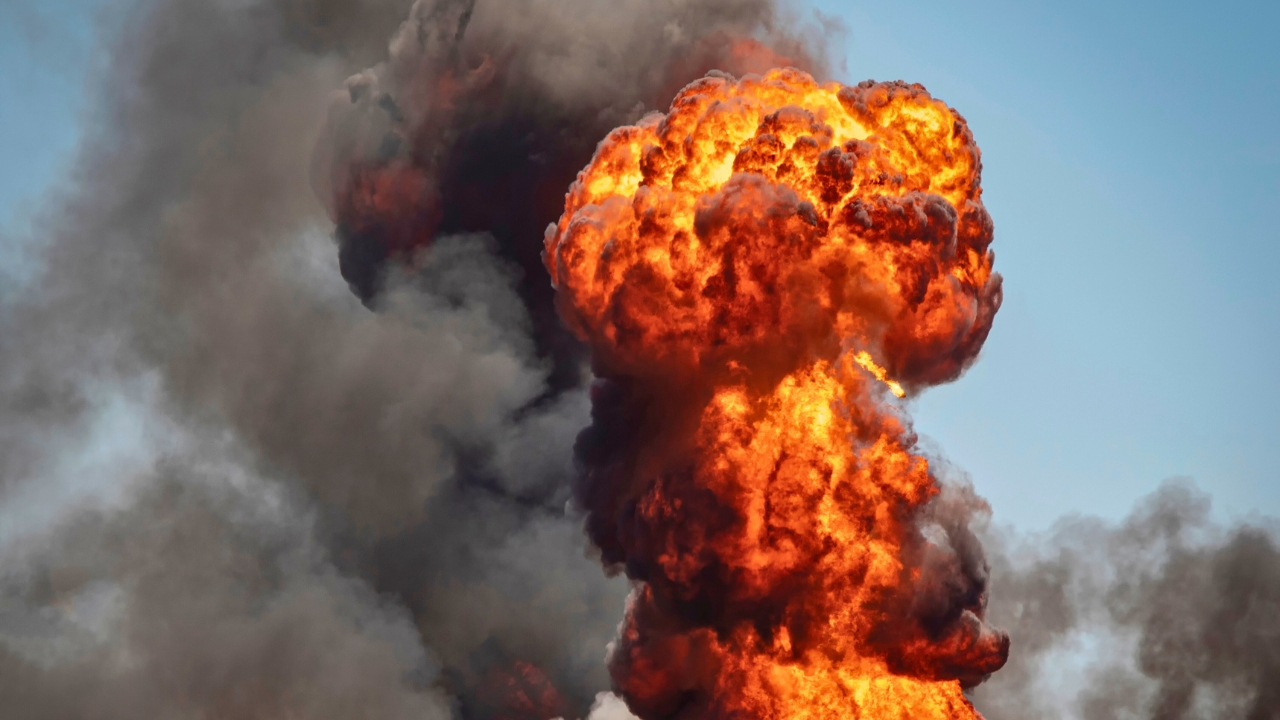
Iranian drone strike hits fuel tank near Dubai International Airport, forcing flight shutdown
Photo credit: F Armstrong Photography/Shutterstock.com
DUBAI, United Arab Emirates — A drone strike linked to Iran ignited a fuel tank near Dubai International Airport on Monday, forcing one of the world’s busiest travel hubs to temporarily suspend flights as thick smoke rose over the area, officials and media reports said.
The strike triggered a large fire near the airport complex and prompted authorities to halt operations for several hours while emergency crews contained the blaze. Flights were diverted to other airports in the region before limited operations gradually resumed later in the day. No injuries were immediately reported in the incident.
Dubai International Airport is the world’s busiest airport for international passenger traffic and a major global aviation hub. Disruptions there can ripple across international travel networks, affecting airlines such as Emirates, flydubai and other carriers that rely on Dubai as a key connection point between Europe, Asia and Africa.
The attack appears to be part of the rapidly escalating regional conflict between Iran and the United States and its allies. The broader war began in late February after large-scale U.S. and Israeli strikes targeted Iranian military infrastructure, triggering retaliatory drone and missile attacks from Iran across the Persian Gulf region.
Iran has increasingly targeted economic and transportation infrastructure in Gulf countries aligned with the West, including shipping routes and oil facilities. Analysts say attacks on airports and energy infrastructure are meant to pressure regional governments while also disrupting global trade and travel.
Monday’s incident was not the first time Dubai’s airport has been affected during the conflict. Since the war began, Iranian drones and missiles have repeatedly targeted the United Arab Emirates, with many intercepted by air defenses but some causing fires, damage and injuries when debris or projectiles hit populated areas.
The attack has also raised concerns about global energy markets and shipping routes. Regional leaders have warned that continued strikes around the Persian Gulf — particularly near the Strait of Hormuz, through which roughly a fifth of the world’s oil passes — could trigger wider economic disruption if the conflict continues to expand.
Authorities in the UAE condemned the attack and said investigations were underway while security forces increased air-defense readiness around key infrastructure sites. Airlines and aviation officials are also monitoring the situation as the conflict continues to affect flight routes and airspace across the Middle East.

Abbie Clark is the founder and editor of Now Rundown, covering the stories that hit households first—health, politics, insurance, home costs, scams, and the fine print people often learn too late.