“The Trump administration can’t match Obama’s success with Iran,” Pelosi claims
Photo credit: Lucas Parker and mark reinstein/Shutterstock.com
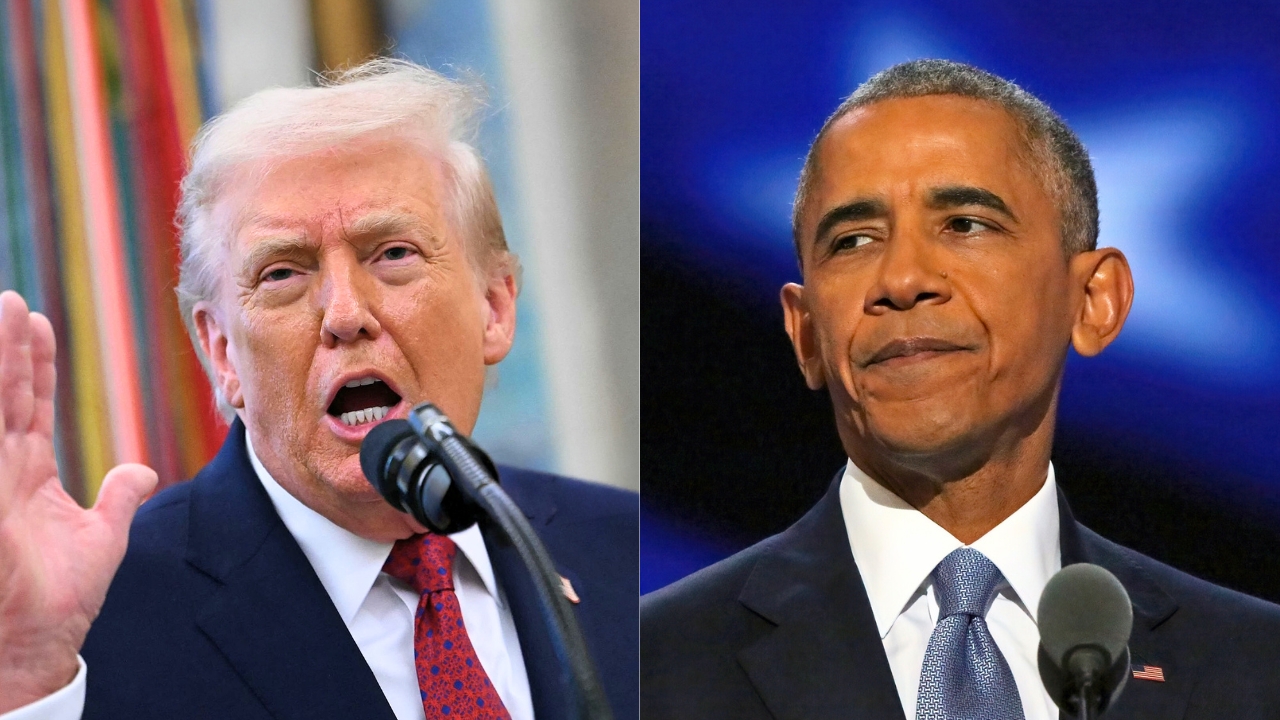
Former House Speaker Nancy Pelosi credited President Barack Obama with using diplomacy to block Iran’s path to a nuclear weapon and accused President Donald Trump’s administration of “throwing away” that progress as U.S.-Iran tensions rise and nuclear negotiations continue.
“President Obama masterfully used diplomacy to prevent Iran from acquiring a nuclear weapon,” Pelosi said in a post that included a clip of her remarks on CNN. “The Trump Administration, in its ineptitude, threw away that agreement. Now they’re making threats and risking unnecessary conflict because they can’t match Obama’s success.”
The dispute is rooted in competing interpretations of the 2015 Iran nuclear agreement and what has happened since the United States withdrew from it during Trump’s first term.
What’s true in Pelosi’s claim
Obama’s diplomatic achievement was the Joint Comprehensive Plan of Action, or JCPOA, reached in 2015 between Iran and world powers. Under the deal, Iran accepted major limits on its nuclear program and international inspections in exchange for sanctions relief. Supporters argued it increased transparency and lengthened the time Iran would need to produce enough fissile material for a weapon, a key benchmark sometimes called “breakout time.”
Trump did withdraw the U.S. from the JCPOA in 2018, arguing it failed to address Iran’s missile program and regional activities and that key restrictions were time-limited. After the U.S. exit and the reimposition of sanctions, Iran later stopped complying with parts of the deal and expanded its nuclear activities beyond JCPOA limits, according to widely reported timelines of the agreement’s collapse.
Pelosi’s argument that the current showdown carries a risk of conflict also aligns with the immediate backdrop: the U.S. has built up major military forces in the region while Trump has warned that force remains an option if diplomacy fails.
What’s disputed or oversimplified
Pelosi’s phrasing — that Obama’s diplomacy “prevented” Iran from acquiring a nuclear weapon — is broadly consistent with how the JCPOA was sold politically, but it is not the same as permanently ending Iran’s ability to pursue nuclear capability. The deal was designed to constrain and verify Iran’s program for set periods and to provide warning time if Iran moved toward weaponization, not to eliminate Iran’s entire nuclear infrastructure forever.
Critics of the JCPOA have long argued that its “sunset” provisions, its limited scope on ballistic missiles, and its inability to address Iran’s regional proxy activity meant it postponed — rather than resolved — the long-term nuclear standoff. Supporters counter that the agreement was intended to deal with the nuclear file first through verifiable limits and inspections, leaving other disputes to separate channels.
Pelosi also framed the current moment as the Trump administration “making threats” because it “can’t match” Obama’s success. The administration’s position, as described in recent reporting, is that it prefers diplomacy but will not accept a nuclear-armed Iran and is using pressure — including military posture — to try to force concessions.
Where things stand now
U.S. and Iranian officials have been engaged in indirect talks in Geneva, with no deal announced but both sides signaling some progress and additional technical discussions ahead. The negotiations have unfolded under heavy pressure: Trump officials have issued warnings about Iran’s nuclear program and missile threats even as intelligence questions have been raised about some of the administration’s public claims regarding Iran’s capabilities.
The central issues remain familiar: Iran wants sanctions relief and insists its nuclear program is for peaceful purposes; U.S. officials say Iran cannot be allowed to obtain a nuclear weapon and have demanded verifiable constraints. Reporting on the talks has described sharp gaps on enrichment, stockpiles, and broader security demands.