The pantry staples families are buying more of ahead of rough weather
Photo credit: Valeriy G/istock.com
As winter storms, coastal hurricanes and grid failures become more disruptive, families are quietly changing how they shop. Instead of last minute scrambles for bread and milk, you are seeing deeper carts filled with shelf stable basics, emergency meal kits and ingredients that can stretch for days if the power goes out. The pantry staples you choose now can decide whether rough weather feels like a short inconvenience or a genuine crisis for your household.
Across the country, you are being urged by emergency managers and utilities to think in terms of several days of food and water at home, not just a single snow day. That shift is driving a surge in demand for long lasting grains, canned proteins, powdered dairy, snacks that double as calories and comfort, and prepacked three day kits that promise to feed a family even if the stove stays cold.
Why families are thinking in three-day blocks
When you plan for severe weather today, you are increasingly told to think in 72 hour windows instead of one stormy evening. Emergency guidance on Preparing a Three Day Emergency Supply stresses that a three day emergency preparedness kit will be useful for most disasters, and that Gathering the essentials before a storm hits is far safer than trying to shop once roads are icy or flooded. You are encouraged to focus on ready to eat canned meats, fruits and vegetables, plus high energy foods such as crackers, granola bars and trail mix that do not require cooking.
That three day mindset is echoed in commercial products that promise to simplify your decisions. Companies now sell compact 72 hour boxes that bundle calorie dense entrees and drinks into one grab and go package, such as a ReadyWise 72 hour food kit designed to feed one person for three days with shelf stable pouches. Another brand markets a 72 hour emergency survival food kit that emphasizes long term storage and simple preparation with limited heat. When you see these kits stacked near store entrances as a storm approaches, you are looking at a retail response to the same three day benchmark that emergency planners have been repeating for years.
From panic buying to planned stocking
Instead of waiting for a forecast to trigger a rush, you are being urged to build a calm, deliberate pantry that can carry your family through outages. Emergency officials warn that wiping out store shelves in a single afternoon makes it harder for everyone to prepare, and that Preparing starts at home with enough food, water and other essentials to act rationally in the first place. That advice is pushing more households to add a few extra cans or bags of staples to each weekly shop, so that by the time a warning is issued, your pantry already holds several days of meals.
Universities and local agencies are reinforcing the same message as winter approaches. Guidance tied to Winter Weather Preparedness Week urges you to Stock an emergency supply of food and water prior to the storm, not during it, as part of broader efforts to Prepare Your Home for outages and blocked roads. When you follow that lead, you are less likely to join last minute crowds and more likely to have a balanced mix of pantry staples that match your family’s tastes and dietary needs.
Grains and carbohydrates that anchor emergency meals
When you look at what actually fills most emergency pantries, grains and carbohydrates that keep well tend to dominate. Reporting on winter storm shopping notes that Grains and carbohydrates that keep well form the backbone of many lists, because Dried grains store easily and can be turned into filling meals when fresh bread is not available. You are seeing more families buy big bags of rice, oats and pasta ahead of storms, since they are inexpensive, versatile and can stretch small amounts of protein into multiple dinners.
Economic pressure is reinforcing that shift. As food prices climb, demand for cheap staples and shelf stable foods like boxed macaroni and cheese, beans and pasta is on the rise, with one analysis noting that Sep data on pantry staples showed shoppers gravitating toward easy meals as the economy becomes much more uncertain. When you combine that with storm planning, it is not surprising that shelves of dried grains and boxed carbs are among the first to thin out whenever a major system is in the forecast.
Rice, beans and other long-haul staples
Within that broader grain category, rice has become a standout item that many experts now flag as a smart advance purchase. One breakdown of tariff risks notes that Rice is another pantry item you may want to buy more of now, in part because One third of rice consumed in the U.S. is imported, which makes it vulnerable to price shocks. For you as a storm shopper, that means a big bag of rice is not just a blizzard hedge, it is also a way to lock in a relatively low cost base for dozens of future meals.
Protein rich dry goods are getting similar attention. Emergency pantry charts highlight Meats and Beans as core categories, listing Canned meat, chicken, turkey, seafood and other protein rich foods alongside Vegetables and fruits that can sit on a shelf for months. When you pair those canned proteins with beans, lentils and rice, you can assemble hearty stews and skillets on a camp stove or gas burner, which is why these items are increasingly treated as non negotiable in storm season shopping lists.
Canned goods, dairy alternatives and ready-to-eat options
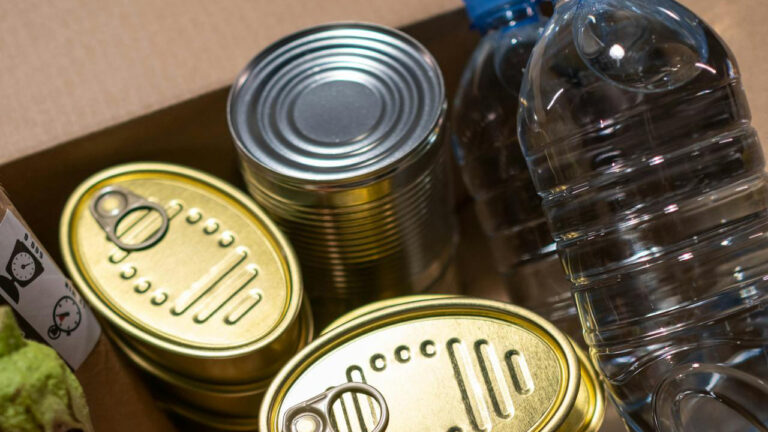
As you think beyond grains, canned goods are still the quiet workhorses of any weather ready pantry. Federal and coastal guidance on Non perishable Food for hurricanes urges you to Maintain at least 3 to 7 days of food for each member of the family, including Ready to eat canned meats, fruits and vegetables, plus Dried fruit, peanut butter and pet foods. You are also told to keep Canned juices, milk and soup, whether liquid or powdered, along with Staples like sugar, salt and pepper in water proof containers so they survive flooding or leaks.
For families who cannot rely on fresh milk or refrigerated cheese, dairy alternatives and pantry staples that mimic those roles are becoming more popular. Winter storm guides now call out Dairy alternatives and pantry staples like shelf stable plant milks, powdered milk and canned evaporated milk that can be prepared with limited heat sources. When you add in ready to eat canned soups, stews and chili, you have a set of items that can be eaten straight from the can in a pinch, but taste better warmed over a small burner, which is exactly the kind of flexibility you need when the power situation is uncertain.
Water, beverages and the non-food items that vanish first
Food is only half the equation, and you are seeing that reflected in how quickly bottled water disappears from store aisles. Winter and blizzard checklists advise that Bottled water at least one gallon per person per day should be part of your baseline, along with hot drink mixes like cocoa or tea that can provide comfort when the temperature drops. You are also reminded to think about simple morale boosters, such as a brownie mix or marshmallows, which can turn a stressful outage into something that feels more like an indoor camping trip for kids.
Utilities and energy providers go further, urging you to pair those beverages with basic household supplies that tend to sell out as quickly as food. One winter storm essentials checklist notes that Bottled water should be stocked alongside toilet paper and paper towels, since plumbing issues and limited laundry access can make sanitation a challenge. When you add in batteries, flashlights and manual can openers, you start to see why many families now treat their storm pantry as a combined food and household reserve rather than a single shelf of soup cans.
How digital shopping data is reshaping storm prep
Behind the scenes, your changing habits are being tracked and analyzed in real time by retailers that want to anticipate the next rush. A growing share of product information is now organized through systems like the Shopping Graph, which Google describes as Product information aggregated from brands, stores and other content providers. When you search for canned soup, propane stoves or emergency water containers, that data helps stores understand which items spike ahead of certain forecasts, and which pantry staples you are most likely to reorder after a storm passes.
That feedback loop is already influencing what you see on shelves and in recommendation carousels. If shoppers in one region consistently buy more powdered milk and shelf stable plant milks before ice storms, retailers can feature those dairy alternatives more prominently in similar regions when the next cold front appears. Over time, this kind of digital insight nudges both supply and demand, making it easier for you to find the exact staples that experts recommend for rough weather, from high protein canned meats to compact survival food kits that match your household size.
What actually disappears first when a storm is coming
Even with better planning, some patterns are stubborn. Local reporting has shown that when snow is in the forecast, shoppers still swarm stores for familiar comfort items. One account from the Triangle region noted that WRAL News spent a day visiting Triangle area grocery stores and found that milk, bread and eggs were scarce, while shoppers also cleared out wine, chocolate and even the ice cream sandwiches yesterday. For you, that means the traditional staples still vanish first, but they are now joined by indulgences that make hunkering down feel less like deprivation.
At the same time, expert lists are pushing you to think more strategically about what should disappear first. Winter storm guides emphasize that When preparing for winter weather you should stock up on shelf stable foods that require little or no cooking, including peanut butter as a reliable source of protein. When you follow that advice, jars of nut butter, canned tuna and protein rich snacks start to join bread and milk on the list of items that vanish quickly, reflecting a broader understanding that calories, protein and ease of preparation matter as much as tradition when the lights go out.
Building a calmer, smarter pantry before the next alert
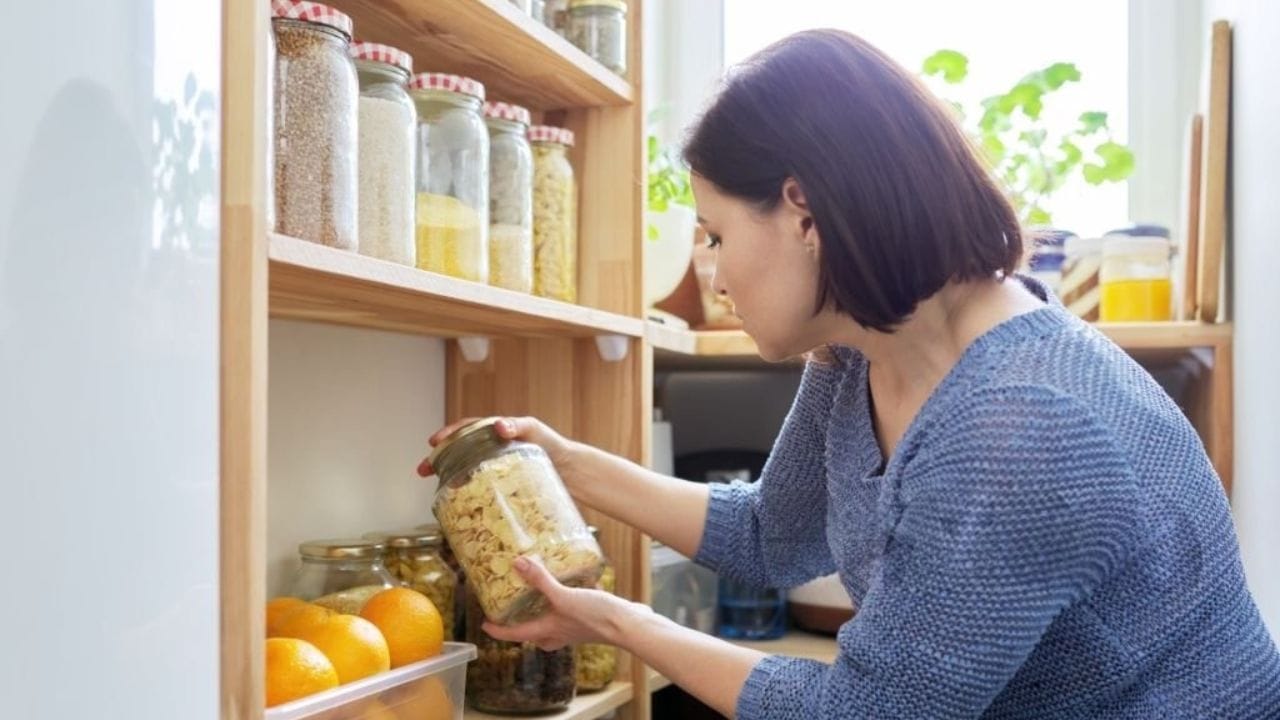
All of this points toward a simple shift in how you can approach rough weather: treat your pantry as a standing asset, not a last minute project. If you gradually assemble a mix of Dried grains, canned proteins, dairy alternatives, snacks and water, guided by resources like Gathering the essentials for a Three Day Emergency Supply, you will be far less dependent on whatever happens to be left on the shelf when a storm warning hits. Rotating those items into your regular meals keeps them fresh and ensures that what you have stored is food your family will actually eat.
Experts also stress that your pantry should reflect your specific risks and routines. Coastal households may lean more heavily on hurricane oriented lists that prioritize Small, preferably single serving cans and powdered drinks that can be mixed with stored water, while snow belt families might focus more on items that can be heated on a gas range when the grid fails. By tailoring your staples to your climate, budget and dietary needs, you can turn the next storm alert from a source of anxiety into a simple reminder to check a pantry that is already ready.

Abbie Clark is the founder and editor of Now Rundown, covering the stories that hit households first—health, politics, insurance, home costs, scams, and the fine print people often learn too late.