Woman Refused to Give Up Part of the Inheritance Her Late Grandfather Left Her, Sparking a Family Dispute
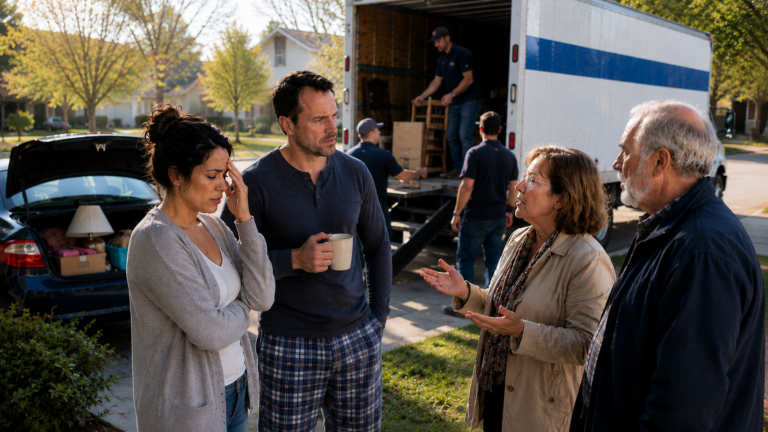
Photo credit: AI-generated image created using ChatGPT. Illustrative only.
A 28-year-old woman thought she was doing everything right after her grandfather died: show up, say goodbye, support the widow, and keep money out of the conversation. Then the paperwork arrived, and the family dynamic seemed to change overnight. In the original post, she explains how an inheritance that wasn’t even on her radar turned into months of silence, accusations, and an ultimatum to hand part of it back.
The woman says she and her two older siblings lost their mother when she was 8. Her grandfather had divorced her grandmother years earlier, remarried, and his second wife—“Mimi,” as she calls her—was also her godmother. Mimi was the adult who held her hand at her mother’s funeral, and for years she felt like the warm center of the family, even when her grandfather was emotionally distant.
They weren’t close, but they kept showing up
The woman describes her grandfather as “never warm,” but reliable in practical ways—making sure the kids weren’t short of anything and being present during frightening moments when their mother’s illness caused unpredictable behavior. Over time, life spread everyone out. The grandparents moved to the coast a couple of years ago, about a two-hour drive away, and visits dropped to a handful of times a year.
She says her grandfather didn’t like calls or texts and didn’t want people over constantly, so contact stayed minimal. Still, the relationship with Mimi remained important to her, built on those early memories of being cared for when she was a child navigating grief.
When her grandfather died last October after years of poor health, the family focused on the loss, not the money. They visited to say goodbye, attended the funeral, and later met Mimi for lunch, sharing stories about their childhood. Mimi seemed sad, the woman says, but generally okay.
The legal inheritance changed everything
Then came the inheritance calculation, a step the family couldn’t avoid. The woman says that in her country, you can’t fully disinherit first-in-line heirs. Because their mother had died, her children became next in line, even though the grandfather and Mimi had legally reduced what the siblings could receive.
According to the woman, the siblings’ portion came to about one-quarter of the estate, split three ways. The disclosure included a full look at the finances—properties, investments, and other assets—and she estimates the total near 1.2 million euros before recalculations for assets shared with Mimi. Their share worked out to a little over 120,000 euros total, or around 40,000 each.
For her siblings, that money was helpful but not life-altering. They have partners, homes, and children. For her, she says, it was different: she’s single, renting, and rebuilding after a long relationship ended. With housing costs high, she saw the inheritance as a rare chance to someday buy a home on her own.
Mimi’s warmth disappeared, and the messages got sharper
Once the numbers were on the table, the woman says Mimi went “cold.” Calls and texts went unanswered. She also says Mimi accused the brother—who is doing well financially—of being focused on money, an accusation that confused the siblings because they hadn’t been pushing for anything beyond what the law required.
Communication shifted to email through the solicitor handling the inheritance. The siblings agreed to the calculations and assumed the process would move forward while Mimi had time to adjust to life alone. They also tried to keep their relationship with her intact, reaching out even when she ignored them.
When asked whether they wanted their inheritance now or later, the siblings offered a compromise: whatever made Mimi comfortable. The woman says they were even willing to wait until Mimi passed away so it wouldn’t cause her financial strain, despite the likelihood they’d lose some money over time. Mimi’s response stunned them—she didn’t want to “put that on my next of kin,” and the woman realized Mimi didn’t consider the siblings to be that. Mimi’s sister and her sister’s family were, in Mimi’s eyes, next of kin.
That emotional blow was quickly followed by a financial one. Through the solicitor, Mimi asked the siblings to “cut” their portion by 6,000 euros each so she could be “more comfortable.” The siblings declined, again offering to delay receiving their money instead.
The request became an ultimatum, then silence
The woman says Mimi rejected their response and wouldn’t agree to an in-person meeting proposed by the solicitor to talk it through. After that, Mimi stopped communicating.
The only direct contact that followed, the woman writes, was a hostile text from Mimi’s sister. The message tried to frame the siblings’ refusal as a moral failing, invoking their late mother and suggesting she would have declined the inheritance entirely. The sister also claimed the grandfather had been emotionally and financially abusive to the mother “all this time,” a characterization the woman says she never heard from Mimi before. The text ended with a sting: “Don’t worry you’ll get ‘your’ money, just know it’s blood-money.”
Six months later, the woman says she’s still wrestling with what to do. She feels angry at the entitlement she’s hearing from Mimi’s relatives, but Mimi’s silence is what cuts deepest. She misses her, and she’s questioning whether giving up the 6,000 euros would be the price of keeping that relationship.
What people focused on: the paperwork, the pressure, and the pattern
In responses to the story, the practical theme is hard to miss: when a dispute moves into solicitor-only communication and relatives start applying guilt pressure, it’s usually a sign to keep everything formal. The woman already has one protection in place—communication routed through the inheritance solicitor—and readers tended to see that as a good thing, not a failure of family bonds.
Others honed in on the offer the siblings made to wait for their share. To many, that undercut the claim they were trying to take money from Mimi’s day-to-day stability. If Mimi truly needed more liquid funds, commenters often argue, that’s a separate conversation from demanding the legal heirs surrender part of what the law designates for them.
The “blood-money” accusation also raised eyebrows because it introduced a serious claim—abuse—late in the process, and through a third party, rather than Mimi addressing it directly. Some urged the woman to avoid negotiating against emotional blackmail, especially when the ask was framed as a loyalty test rather than a clear, documented need.
A small number, a huge emotional price
On paper, 6,000 euros might look like the kind of amount a family could compromise on to keep the peace. In real life, the woman says, it represents more than a number: it’s a chunk of her best shot at homeownership, and it’s also the first time she’s felt her place in the family get erased.
By offering to delay her payout, she tried to protect Mimi’s financial comfort while still preserving what her grandfather left. Mimi’s counter-move—demanding a reduction, refusing a meeting, then going silent—left the woman stuck between two losses: walking away from money she may never be able to replace, or accepting that a relationship she treasured may already be gone.
For now, the inheritance appears to be moving through the formal process, but the personal side remains unresolved. The woman isn’t just asking whether she should give up part of the money. She’s asking whether there’s any version of this where she doesn’t lose Mimi anyway.
Check out more from Now Rundown:
- A Party of 12 Came Back a Month Later Demanding Their $80 Tip Refunded — My Restaurant Made Me Pay It
- Her Coworker Kept Filing the Same Complaint About Her After Being Warned — Then She Filed a Counter-Report With Every Email Documented
- Siblings Demanded Half of Their Sister’s $11 Million Inheritance — She Refused Because They Never Visited
- The Kid I Bullied in Middle School Just Interviewed for a Job on My Team — He Bombed It and I Didn’t Hire Him

Abbie Clark is the founder and editor of Now Rundown, covering the stories that hit households first—health, politics, insurance, home costs, scams, and the fine print people often learn too late.