Woman Cut Off Her Half-Sister After She Dismissed Their Mother’s Death Anniversary to Go on a Cruise — Then Refused to Help When Another Relative Died
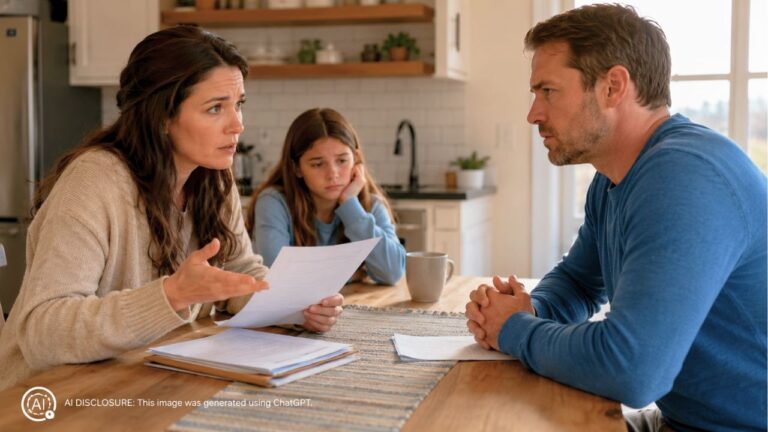
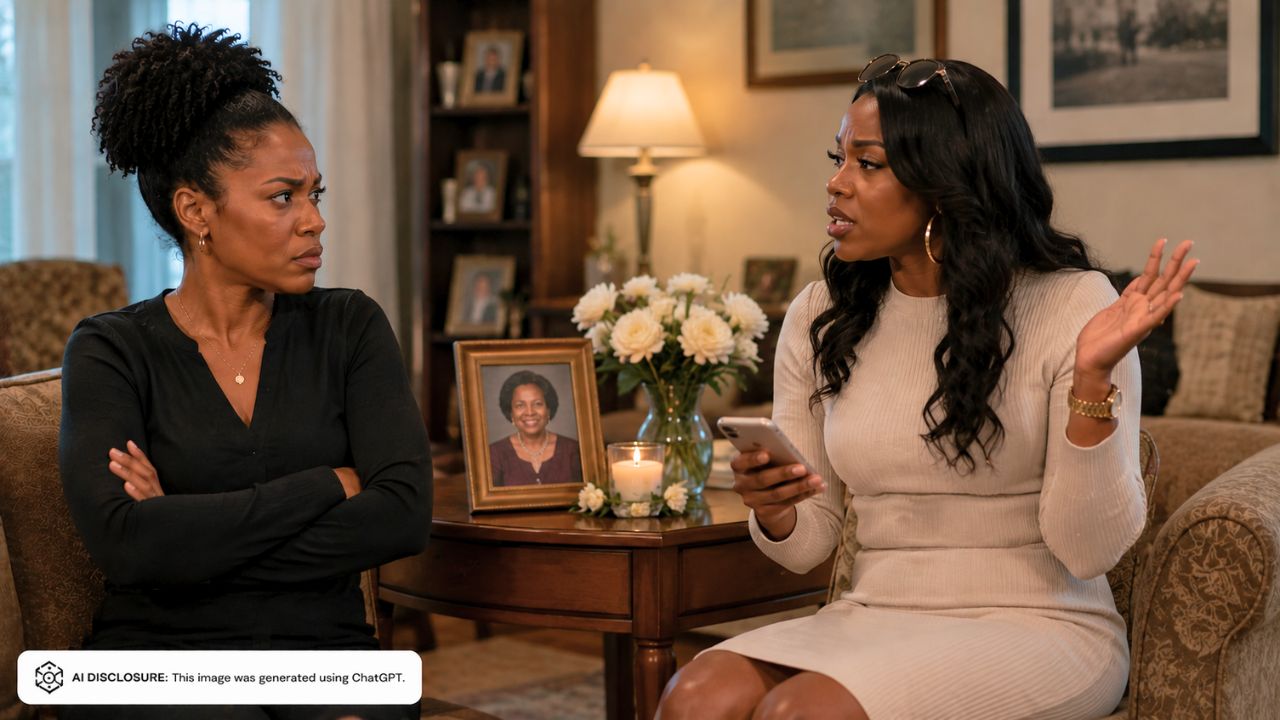
Photo credit: AI-generated image created using ChatGPT. Illustrative only
By the time her mom died, a woman says she’d already spent years quietly bracing for it. What she wasn’t prepared for was the way the aftermath would reorder her entire family—and leave her carrying almost everything alone. In a detailed account shared in the original post, she describes a breaking point with her half-sister that started with grief and ended with a hard block.
Her mother’s health had been declining for years, complicated by diabetes, heart disease, pneumonia, and an earlier amputation. When she died in August 2024, the poster says she and her daughter stepped into logistics mode while other relatives either melted down or disappeared—then later demanded help when another death hit the family.
The family history never really healed—everyone just got older
The woman grew up essentially as an only child, even though she had an older half-brother and half-sister. Her mom had the older kids young, then divorced their wealthy father. The older kids gravitated toward their dad’s lifestyle and his parents’ money—bigger schools, vacations, horses, fewer rules—while their mom struggled financially.
As adults, the relationship softened for a while. The families blended more, holidays were shared, and even the paternal grandmother became close enough that she told the poster to call her “Nan.” From the outside, it sounded like time did what it sometimes does: smoothed sharp edges without really sanding them down.
But in the last few years of the mother’s life, the poster says her half-sister moved away, connected more with her dad’s side again, and stopped showing up for milestones on their mom’s side. The sister missed their mom’s 60th birthday party shortly after a triple bypass, and the poster describes a growing pattern of distance paired with resentment.
Resentment built around grandkids, distance, and who “showed up”
The sister, who had children later in life, complained that their mother wasn’t as involved with her daughters as she had been with the poster’s child. The poster says she tried to explain the obvious: their mom had been a younger, healthier grandmother back then, but was increasingly limited by illness later.
Then the parents moved to a warmer beach area for better quality of life, putting them farther from both daughters. The sister reportedly exploded, accusing them of choosing to be absent from her kids’ lives and framing future visits as “all on me.” The poster says she supported the move even though it also made her own trips longer.
What made it messier was money. The poster says her parents couldn’t afford to subsidize visits, but her sister complained about gas and travel. So the poster quietly covered costs—sending money to her mom and stocking the fridge before visits—so her sister would keep coming at all.
When her mom died, grief turned into paperwork—and she says she was left holding it
In the weeks before the death, the poster’s family “moved heaven and earth” to get her mom to a college graduation celebration, including nurses, medical transport, and accessible lodging. The sister, she says, still made pointed comments about how their mother “could never” visit her kids, even as the end was near.
Then came the final hospital days. The mother asked for only her children to be present and did not want her brothers there, due to visitor restrictions and her own reasons. The sister called the uncles anyway, and they arrived first—reducing the time the poster had with her mom before she died.
Afterward, the poster says the sister couldn’t enter the hospital to collect belongings, couldn’t handle funeral home calls, and refused to attend planning appointments. The poster handled paperwork, arranged cremation, and paid the costs herself. Meanwhile, she says her brother chose a resting place tied to him rather than their mother, and the sister later disclosed where ashes were scattered despite their mother’s wish for privacy.
When it came time to pack up the home and move their grieving father—who couldn’t afford to live alone—the poster says help never arrived. Her sister sent lists of items she wanted saved for her, while the poster sorted clothes and personal belongings and paid for dumpsters. One comment from her sister stuck: “Well you aren’t grieving like I am, you should be okay.”
The cruise became the line in the sand
By 2025, the father’s health worsened, including a major heart attack. The sister visited once, told him they’d do it again soon, and then stopped calling. The poster says she continued reaching out anyway, trying to keep the connection open, even when messages were read and ignored.
The breaking point came around the poster’s daughter’s wedding trip overseas. The poster couldn’t take her father to Europe and needed someone to check in daily while nearly everyone else would be away. Her sister promised she would.
Then, with six weeks to go, the sister announced she’d be on a cruise at the same time with the half-brother and other siblings—funded, the poster says, by an inheritance from their grandmother. The sister described it as “device free,” focused on honoring the grandmother and being present with family.
To the poster, it landed as a clear message: when her father needed a basic safety check, he wasn’t the family worth prioritizing. She went no contact—blocking her sister without a long explanation—because she says she didn’t have the capacity for one more argument about obligations and grief.
Then another relative died—and suddenly they wanted her help again
Weeks later, the sister contacted the poster’s daughter asking why she couldn’t reach her. The reason for the call wasn’t reconciliation. It was business: an aunt had died, and the sister said she and the uncles needed help with the funeral.
The poster didn’t call back. She also couldn’t attend the funeral for other reasons, which triggered more fallout. She says she was labeled cold and called names by relatives who accused her of not putting “family first.”
That accusation, she says, ignores years of imbalance. She describes uncles who benefited from her father’s support for decades—housing, loans, day-to-day expenses—only to stop showing up when her mother was gone and her dad was struggling. Even after the ashes were scattered, the uncles offered to take her father to lunch and never followed through.
Most people zeroed in on boundaries—and the practical reality of caregiving
In responses to the story, much of the focus wasn’t on scoring who grieved “correctly,” but on the reality that one person became the default adult for everything: medical coordination, funeral arrangements, estate logistics, downsizing a home, and managing an at-risk surviving parent.
Readers also tended to treat the cruise detail as symbolic, not just selfish. Promising daily check-ins for an elderly, depressed father and then booking a no-contact vacation at the same time looked, to many, like the same pattern the poster described after her mother’s death: stepping back when things are hard, stepping forward when there’s a task to offload.
The poster, meanwhile, is still figuring out what “done” looks like long-term. She’s arranging care and check-ins for her father without relying on siblings who have repeatedly opted out. And she’s sitting with the quieter part of it all: not just losing her mom, but losing the idea that her extended family would show up when it mattered.
Check out more from Now Rundown:
- A Party of 12 Came Back a Month Later Demanding Their $80 Tip Refunded — My Restaurant Made Me Pay It
- Her Coworker Kept Filing the Same Complaint About Her After Being Warned — Then She Filed a Counter-Report With Every Email Documented
- Siblings Demanded Half of Their Sister’s $11 Million Inheritance — She Refused Because They Never Visited
- The Kid I Bullied in Middle School Just Interviewed for a Job on My Team — He Bombed It and I Didn’t Hire Him

Abbie Clark is the founder and editor of Now Rundown, covering the stories that hit households first—health, politics, insurance, home costs, scams, and the fine print people often learn too late.